When colored lens brands plan their international expansion, the conversation usually circles the same regions: Europe, the Middle East, Southeast Asia. Latin America rarely gets a seat at the table.
That’s a missed opportunity. Brazil and Mexico together represent over 330 million consumers with strong beauty cultures, growing e-commerce, and a genuine appetite for eye enhancement products. Here’s what the market actually looks like.
Why Latin America Makes Sense
Beauty is a serious business here. Brazil is consistently one of the world’s top beauty markets by consumer spending. Personal appearance investment is culturally embedded — not vanity, but social norm. Mexico follows a similar pattern with its own vibrant beauty industry. In both countries, eyes are a focal point of makeup culture, which makes colored lenses a natural category extension.
The influencer engine is real. Brazilian and Mexican beauty influencers command enormous audiences on Instagram, TikTok and YouTube. Colored lens “try-on” content performs exceptionally well in Portuguese and Spanish-language beauty communities, and local influencers actively seek lens brand partnerships.
E-commerce keeps growing. Mercado Libre, Amazon Mexico, Shopee Brazil and direct brand stores all carry significant beauty volume. Cross-border buying is accepted, though delivery speed and local payment methods (like Brazil’s PIX) matter enormously for conversion.
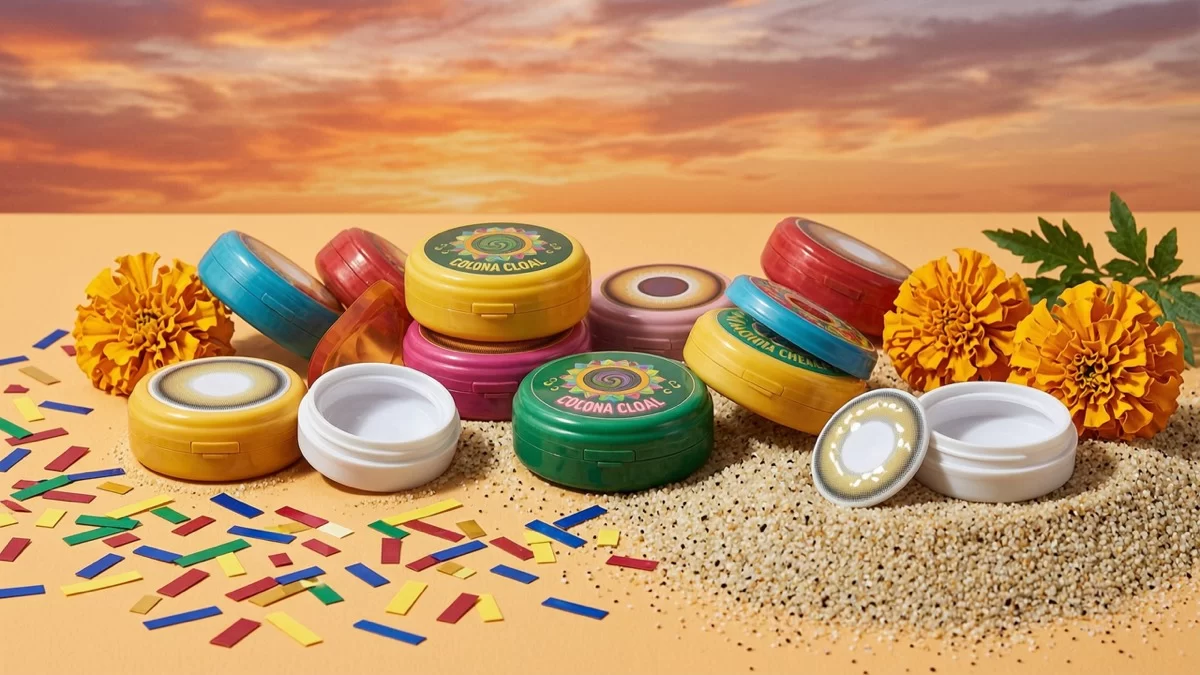
Carnival and festival culture. Brazil’s Carnival alone creates a seasonal spike in bold, fashion-forward lens demand that few other events in the world can match. Add Mexican cultural events, quinceañeras and a strong cosplay scene, and there are multiple demand peaks through the year.
The Regulatory Picture
This is where most international brands hesitate — and where the prepared ones win.
Brazil: ANVISA is the gatekeeper. In Brazil, contact lenses are regulated as medical products by ANVISA (the national health surveillance agency). Importing and selling requires proper registration, a Brazilian responsible company (importer/distributor with the right licenses), and Portuguese-language labeling. ANVISA enforcement against unregistered health products sold online is active, particularly on major marketplaces. The process takes time and requires local partnership — but once registered, you have compliant access to the region’s biggest market.
Mexico: COFEPRIS oversight. Mexico regulates medical devices through COFEPRIS. Colored lenses need a sanitary registration to be legally marketed. Like Brazil, this requires a local legal entity or authorized representative. Mexico’s proximity to the US and its trade frameworks can make logistics simpler for brands already serving North America.
The pattern should look familiar if you’ve studied other regulated markets: Latin America rewards brands that invest in proper registration and punishes those who try to shortcut it. Marketplace takedowns and customs seizures are the predictable cost of cutting corners.
Consumer Preferences: What Sells
Brazil: The market leans toward both natural enhancement (honey, green, hazel tones that complement Brazil’s diverse skin and eye tones) AND bold fashion colors driven by Carnival and festival culture. Afro-Brazilian beauty representation matters — brands whose marketing and shade ranges reflect Brazil’s diversity connect far better than those importing a one-size-fits-all palette.
Mexico: Natural-looking enhancement dominates everyday demand, with grays, greens and honey tones performing well. Dramatic looks have their niche in fashion, cosplay and content creation. Mexican consumers are value-conscious but not cheap — quality positioning wins over discount positioning.
Both markets: Spanish and Portuguese localization isn’t optional. English-only marketing converts poorly, and customer service in the local language is expected by serious buyers.
Entry Strategies That Work
1. Distributor partnership first. For both Brazil and Mexico, working with an established local distributor who holds the regulatory registrations is the fastest compliant route. They handle ANVISA/COFEPRIS obligations, marketplace relationships and logistics; you supply product and brand support.
2. Test via cross-border before full registration. Some brands validate demand by selling cross-border (where permitted) or through regional influencers before committing to full registration. Useful for market research — but not a substitute for compliance at scale.
3. Localize everything that touches the customer. Language, payment methods (PIX, local cards, installments — “parcelamento” is huge in Brazil), delivery expectations and influencer partnerships.
4. Plan for seasonal spikes. Carnival (Feb/March), Black Friday (huge in Brazil), Christmas and local festivals create demand peaks. Stock and marketing should be timed accordingly — with production lead times counted backwards.
The Honest Challenges
- Currency volatility (real and peso) affects pricing and margins — build it into your contracts
- Import duties and taxes are significant; landed cost math must be done properly
- Registration timelines mean 6–12 months of preparation before full-scale launch
- Distance means logistics planning matters more than in closer markets
None of these are deal-breakers. They’re the price of a market with real growth and less saturation than the regions everyone else is fighting over.
The Bottom Line
Latin America — led by Brazil and Mexico — offers what mature markets no longer can: growth, cultural enthusiasm for the category, and room for new brands to establish themselves. The barrier to entry is regulatory preparation, which is exactly the kind of barrier that protects serious players from commodity competition.
If you’re building a global colored lens brand and haven’t looked at Latin America yet, you’re leaving one of the world’s most beauty-obsessed regions off your map.
We support Latin American market entry with CE-compliant products, documentation support for local registrations, and low MOQs for first orders. Contact sales@miomicon.com to discuss Brazil and Mexico launches.