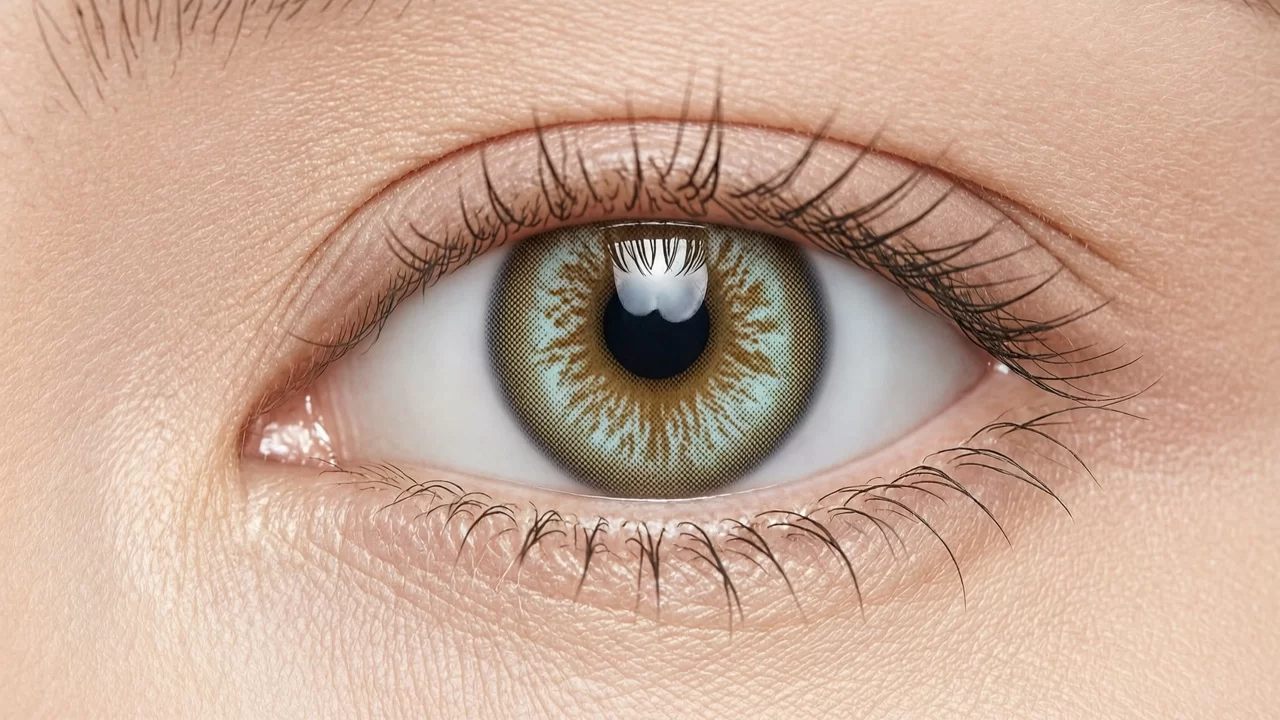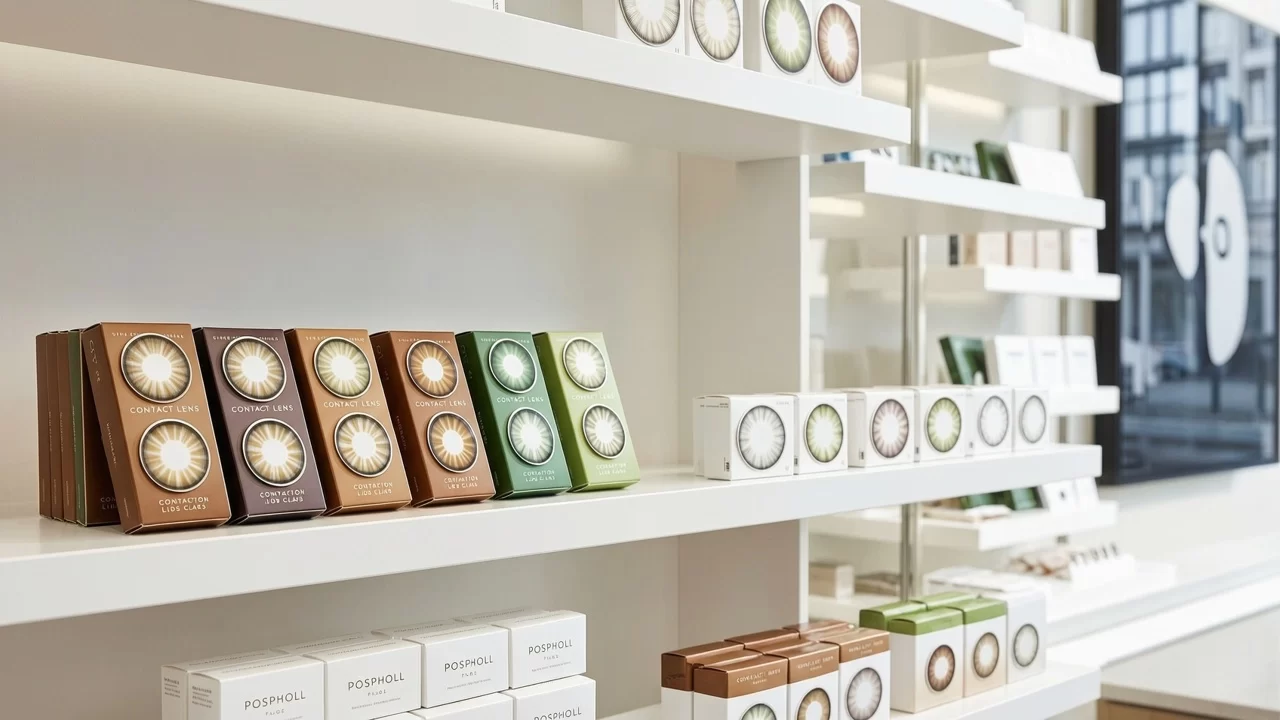
If you’ve been watching the global colored contact lens market, you already know that Europe has always been a tricky region to crack. It’s not like Southeast Asia, where a strong Instagram presence and a competitive price point can get you moving fast. Europe is slower, more regulated, and frankly more skeptical — but that’s exactly what makes it interesting for brands willing to do the work properly.
Let me walk you through what’s actually happening in this market right now, what the regulatory landscape looks like, and where I think the real opportunities are for brand owners and B2B partners looking at Europe in 2026.
The Regulatory Reality: CE Marking Is Non-Negotiable
Let’s get the boring-but-critical stuff out of the way first.
Every colored contact lens sold in the European Union must carry a CE mark. This isn’t optional, and there’s no gray area. Colored lenses are classified as medical devices in Europe (Class III in most cases, depending on the claim), which means you need:
- A notified body to audit your manufacturing facility
- Technical documentation that meets the Medical Device Regulation (MDR) 2017/745
- A European Authorized Representative based within the EU
- Post-market surveillance and vigilance reporting
Here’s the thing that catches a lot of new brands off guard: the MDR transition period ended in March 2025. If your OEM partner was still operating under the old MDD directives, their certificates are no longer valid. You need to verify that your manufacturer has been audited and certified under the new MDR framework.
This has actually thinned out the supplier pool. Some smaller factories in Asia haven’t completed the MDR transition yet, which means fewer options for brands that want to sell into Europe. If you’re evaluating an OEM partner, the first question shouldn’t be about price — it should be “Can you show me your current MDR certificate?”
What European Consumers Actually Want
Now for the more interesting part.
European consumers are different from their Asian counterparts in some fundamental ways. The colored lens market in Korea, Japan, and Southeast Asia is driven largely by the desire for a bigger, more doll-like eye appearance. Larger diameters (14.5mm and above), dramatic color changes, and circle lens effects are the norm.
Europe is… not that.
The European market leans heavily toward subtle enhancement. Think of it as “your eyes but better” rather than “completely different eyes.” The best-selling shades across European e-commerce platforms tend to be:
- Honey and hazel tones that add warmth to lighter eyes
- Green tones, especially in Northern and Western Europe
- Subtle gray-blue shades
- Natural-looking brown enhancements for darker-eyed consumers in Southern and Eastern Europe
Diameter preferences run smaller too — 14.0mm to 14.2mm is the sweet spot. Anything above 14.4mm starts to look noticeably large on the typically smaller European eye shape, and consumers here are much more sensitive to the “obviously wearing lenses” look.
This matters for your product development. If you’re taking a product line designed for the Korean market and just translating the packaging into French and German, you’re going to struggle. The products themselves need to match local preferences.
Where the Growth Actually Is
Despite the regulatory hurdles, Europe is growing. Here’s where I’m seeing the most activity:
1. Daily Disposables Are Eating Everything
The shift toward daily disposable colored lenses has been accelerating across Europe, and it’s not slowing down. Consumers who used to buy yearly or quarterly lenses are switching to dailies for convenience and hygiene reasons. For brands, this means higher repeat purchase rates but also more competition on price.
If you’re an OEM partner, having a reliable daily disposable colored lens production line is now table stakes. The brands that win here are the ones that can offer consistent quality at a price point that makes daily wear affordable — not just a luxury occasional-use product.
2. Southern Europe Is Underserved
Everyone focuses on the UK, Germany, and France. But Spain, Italy, Portugal, and Greece have growing colored lens markets with relatively less competition from established Asian brands. These markets have younger demographics, strong social media usage, and a cultural emphasis on appearance that maps well to colored lenses.
The regulatory framework is the same (EU-wide), so if you’re already CE-marked, there’s no additional compliance cost to expanding into these markets. The challenge is more about distribution and marketing localization.
3. The “Clean Beauty” Movement Is Helping
European consumers are increasingly interested in what they put in and on their bodies. This extends to contact lenses. Brands that can credibly communicate about material safety, breathability (high Dk values), and manufacturing quality are finding receptive audiences.
This is actually a natural advantage for Asian manufacturers who have invested in silicone hydrogel technology and can demonstrate high oxygen transmissibility. The story practically writes itself: “Our lenses let your eyes breathe” resonates strongly in a market that cares about ingredient lists and clean formulations.
Practical Advice for B2B Partners
If you’re a brand owner or distributor looking at Europe, here’s what I’d suggest based on what I’m seeing work:
Start with the regulatory foundation. Don’t even think about marketing until you have your CE marking sorted. Find an OEM partner with current MDR certification and a European Authorized Representative. This isn’t a corner-to-cut situation.
Develop Europe-specific SKUs. Don’t just relabel your Asian market products. Work with your manufacturer to develop color palettes and diameters that match European preferences. Even small adjustments — like adding a honey variant or reducing diameter by 0.2mm — can make a meaningful difference in conversion rates.
Invest in local content. European consumers read reviews, compare products on dedicated beauty platforms, and expect product information in their own language. A German consumer wants to read the product page in German, with EU-compliant claims, from a site that ships from within the EU. Plan for this from day one.
Consider daily disposables as your entry product. They have the broadest appeal, the lowest consumer commitment, and the highest repeat purchase rate. Once a consumer trusts your brand with dailies, they’re more likely to try your other products.
Build relationships with European distributors. Direct-to-consumer from Asia is possible but expensive (shipping, returns, customs). A local distributor who understands the market and has existing retail relationships can accelerate your timeline significantly.
The Bottom Line
Europe isn’t the easiest market to enter, and it never will be. The regulations are strict, consumers are discerning, and the competition includes well-established players like Johnson & Johnson, CooperVision, and Alcon.
But here’s what I keep coming back to: the barriers that make Europe hard to enter also make it rewarding once you’re in. The regulatory requirements keep out fly-by-night operators. The consumer preference for quality over price means healthier margins. And the daily disposable shift is creating genuine opportunities for brands that can deliver consistent quality at scale.
If you’re willing to invest in doing this right — proper certification, market-specific products, local partnerships — Europe in 2026 is a market worth taking seriously.
At MIOMI Optical, we specialize in OEM/ODM colored contact lens manufacturing with full CE/MDR compliance for the European market. If you’re exploring the European opportunity, we’d be happy to discuss how we can support your brand.