Let me start with a confession.
When I first got into the contact lens industry over a decade ago, the wholesale model was pretty straightforward. You’d meet a distributor at a trade show, they’d buy a container’s worth of stock, and you’d see them again next quarter to repeat the process. Branding was something big companies did. For everyone else, you slapped a label on a box and called it a day.
Not anymore.
Over the past few years, something interesting has been happening. Direct-to-consumer (DTC) brands aren’t just nibbling at the edges of the contact lens market — they’re fundamentally rewriting how the entire supply chain thinks about product, pricing, and customer relationships.
And here’s the thing: this isn’t bad news for wholesalers, OEM manufacturers, or small brand builders. It’s actually creating more opportunities than ever before. You just need to understand what’s changing and why.
The Old Model vs. The New Reality
Let me paint a quick picture of the traditional wholesale model, because it’s probably familiar to most of you reading this.
The old way:
- Manufacturer → Distributor → Retailer → Consumer
- Minimum order quantities in the tens of thousands
- Brand control stays with whoever holds the most inventory
- Product development cycles measured in years
- Customer relationship is completely invisible to the brand
The new way:
- Brand (that might be you) → Consumer
- MOQs in the hundreds or low thousands thanks to flexible OEM partners
- Brand control is everything — and it’s accessible to almost anyone
- Product development cycles measured in months
- Customer data flows directly back to the brand
The shift isn’t just about who sells the product. It’s about who owns the customer relationship. And that, more than anything else, is what’s making wholesalers and distributors nervous.
Why DTC Took Off in Contact Lenses (Hint: It Wasn’t Just the Internet)
Plenty of industries have seen DTC brands pop up. But contact lenses had a few unique conditions that made the explosion especially dramatic.
1. The Subscription Model Fits Perfectly
Contact lenses are the ultimate subscription product. People need them every single month. They use them predictably. And the reorder cycle is basically built into the product itself.
When DTC brands figured out that they could auto-ship lenses on a 30-day, 90-day, or 6-month cycle, they didn’t just make ordering more convenient — they locked in customer lifetime value in a way traditional retailers never could.
For wholesale suppliers and OEM partners, this is actually good news. Subscription brands need consistent, reliable supply chains. They don’t order once and disappear. They order every single month, and as their subscriber base grows, so do their orders.
2. Social Media Made Brand Building Accessible
Ten years ago, if you wanted to launch a contact lens brand, you basically needed a retail distribution deal and a massive ad budget.
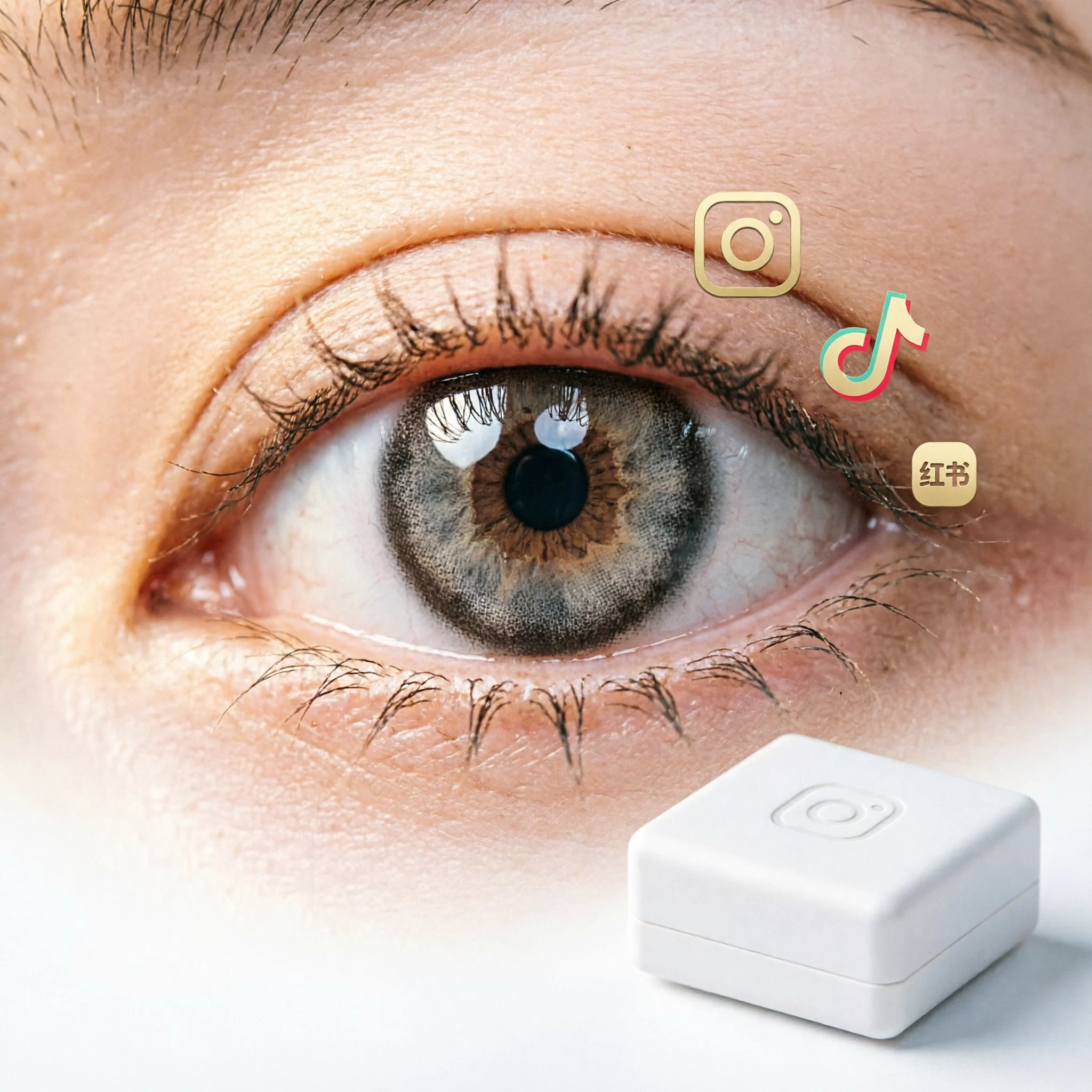
Today? A kid with a smartphone and a good eye for TikTok trends can build a brand that reaches millions of potential customers for a fraction of what traditional marketing used to cost.
I’ve seen brands launch with literally zero retail presence and do seven-figure revenue in their first year. Not because they have better lenses (though they might), but because they understand their customer and can speak to them directly on Instagram, TikTok, and YouTube.
3. Regulatory Changes Opened Doors
I don’t want to get too deep into regulatory stuff here — that’s a whole separate article — but it’s worth noting that in many markets, the rules around who can sell contact lenses (and how) have loosened up considerably.
The US, EU, and several Southeast Asian markets have all made it easier for consumers to purchase contact lenses online. And where regulation goes, DTC brands follow.
What This Means for Wholesalers and OEM Manufacturers
If you’re a wholesaler or an OEM/ODM manufacturer reading this, you might be feeling a bit nervous. DTC brands sound like competition, right?
Here’s what I tell people: DTC brands aren’t your competitors — they’re your best new customers.
Let me explain.
Your Customer Base Is Changing, Not Disappearing
The classic wholesale customer — the big regional distributor who orders 50,000 pieces at a time — is definitely under pressure. But in their place, you’ve got dozens (or hundreds) of smaller DTC brands who each order 2,000-10,000 pieces per month, reliably, every single month.
The total volume is the same or higher. It’s just distributed across more customers.
For manufacturers who can adapt — by offering lower MOQs, faster turnaround times, and more flexible customization — this is a huge opportunity.
Private Label Is Booming (And It’s Not Just for Big Players)
One of the biggest trends we’ve seen at MIOMI is the explosion of small-batch private label orders. Five years ago, if a brand wanted custom packaging, their own color names, or unique lens designs, they’d need to order at least 10,000 pieces per SKU.
Today? Brands with 5,000 Instagram followers are launching their own line of colored contacts with custom packaging, branded lens cases, and their own color names — at MOQs that would have been unthinkable a few years ago.
The OEM manufacturers who figured out how to serve these small brands profitably? They’re absolutely killing it right now.
Speed Matters More Than Ever
In the old wholesale model, you’d place an order and wait 45-60 days for production. That was just how it worked.
DTC brands can’t wait that long. They’re agile. They test new products quickly. If a color goes viral on TikTok, they need more stock in two weeks, not two months.
The manufacturers that can offer 15-20 day turnaround on reorders — even for custom products — are winning all the new business.
Five Ways to Position Your Business for the DTC Era
Okay, enough analysis. Let’s talk about what you can actually do to thrive in this new environment.
1. Lower Your MOQ (But Protect Your Margins)
I know what you’re thinking: “Lower MOQs mean more work for less money.”
And you’re right — if you approach it the wrong way.
The key is to create tiered pricing that makes small-batch orders profitable while still giving volume discounts for larger orders. At MIOMI, we’ve structured our pricing so that:
- Small batch (500-2,000 pcs) has healthy margins per unit
- Mid volume (2,000-10,000 pcs) offers moderate discounts
- High volume (10,000+ pcs) gets the best pricing
The small batch orders subsidize the cost of customization and setup, while the high-volume orders drive overall revenue. It’s not about choosing one or the other — it’s about serving both profitably.
2. Offer More Customization, Not Less
DTC brands live or die by differentiation. If their lenses look exactly the same as every other brand on Amazon, they have no reason to exist.
That’s why the most successful OEM partners right now are the ones who offer:
- Custom lens colors and patterns
- Branded packaging design
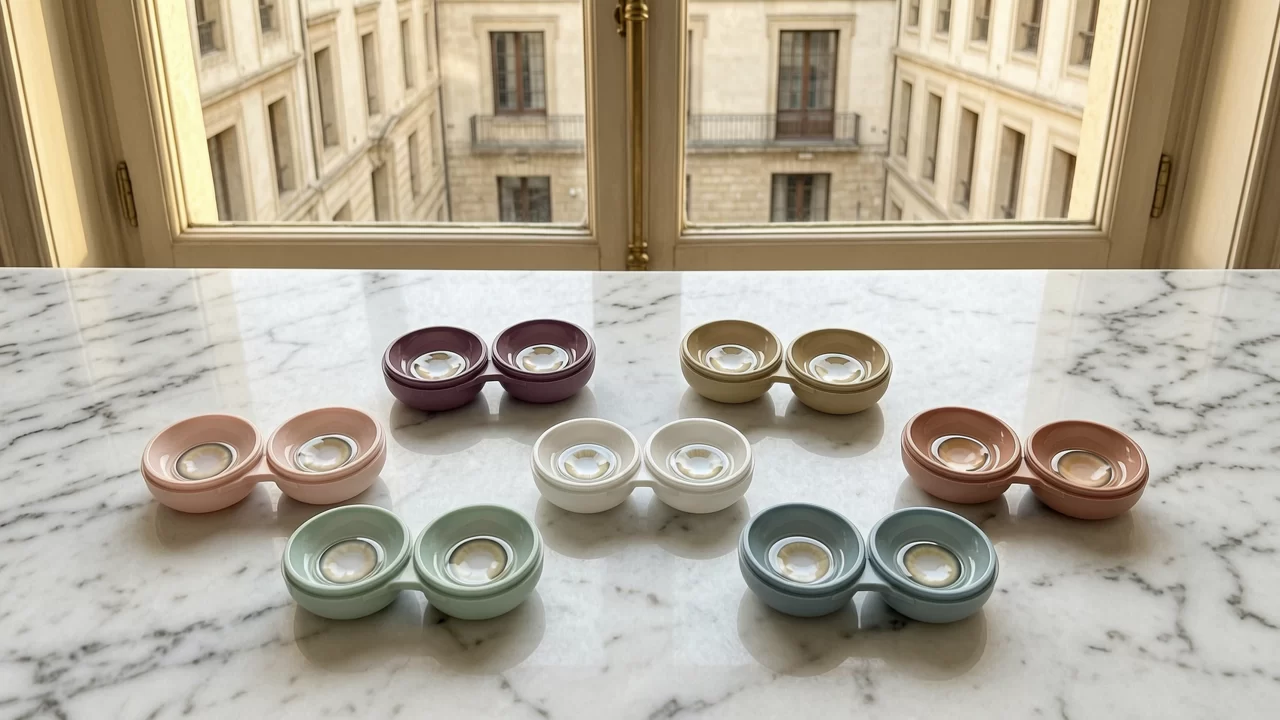
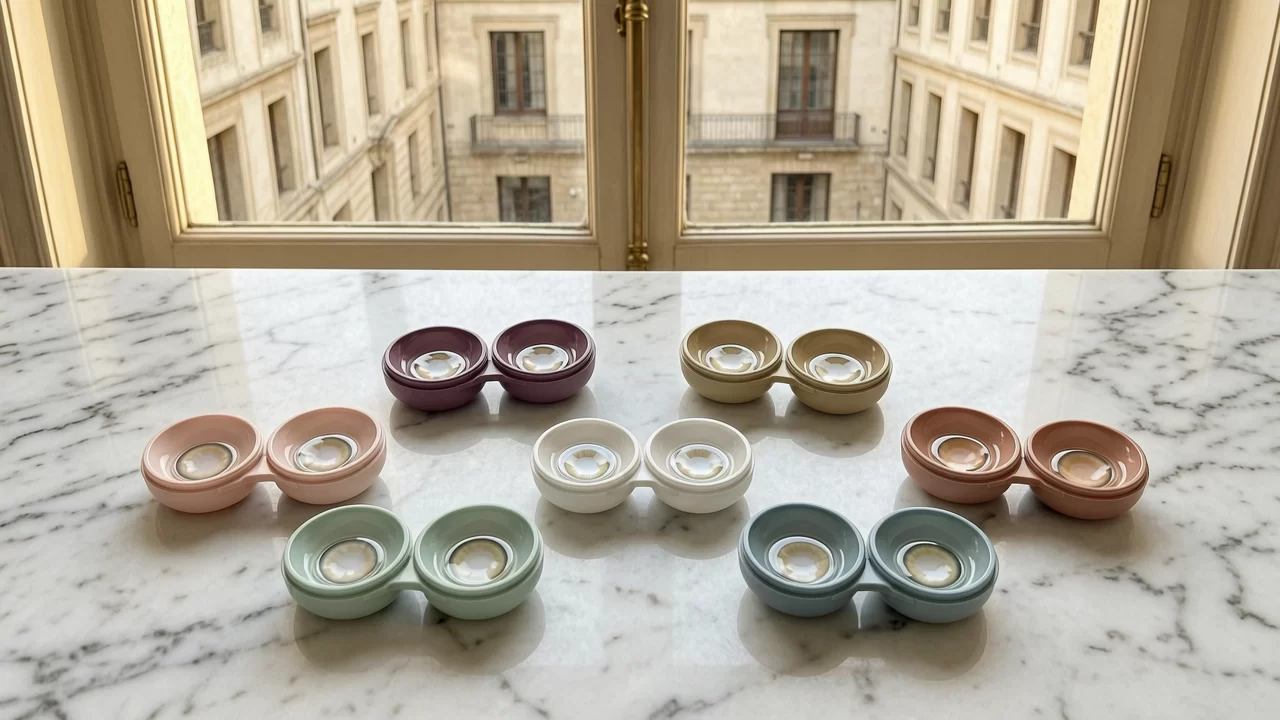
- Custom lens case options
- Private label everything — from the box to the instruction sheet
- Even custom contact lens solution bottles
The more you can help a DTC brand look and feel unique, the more valuable you become as a partner.
3. Speed Up Your Production and Communication
DTC brands move fast. And they expect their suppliers to move fast too.
If a brand emails you with a question and you respond three days later, they’ll find someone who responds in three hours.
If your standard lead time is 45 days and a competitor can do it in 20, you’ll lose the business.
Speed doesn’t just mean faster production — it means faster communication, faster sampling, faster problem-solving. All of it.
4. Become a Partner, Not Just a Supplier
This is the big one.
The best OEM partners I know don’t just sell lenses — they help their customers build better businesses. They share market insights. They recommend trending colors. They help with certification processes. They even connect brands with packaging designers and marketing agencies.
When you’re a true partner, your customers don’t shop around for the cheapest price. They stick with you because you make them more successful.
I’ve seen this firsthand at MIOMI. Our longest-term clients aren’t the ones who got the best deal on their first order — they’re the ones we’ve helped grow from 1,000-piece orders to 50,000-piece orders over a couple of years.
5. Build Your Own Brand Awareness (Yes, Even B2B)
Just because you’re selling to businesses doesn’t mean you can skip branding.
The DTC brands you want to work with? They’re already on Instagram, TikTok, and LinkedIn. They’re searching Google for OEM partners. They’re reading industry blogs (like this one, hi there 👋).
If you’re invisible online, you’re invisible to your next big customer.
Invest in content marketing. Show off your factory. Share case studies of brands you’ve helped launch. Be transparent about your capabilities and your limitations. Build trust before anyone ever picks up the phone to call you.
The Bottom Line
The contact lens wholesale industry isn’t dying — it’s just changing shape.
The big distributors who relied on their warehouse size and existing relationships to hold onto market share? They’re going to struggle.
But the manufacturers, suppliers, and brand builders who can adapt to the DTC era — who can offer flexibility, speed, customization, and real partnership — they’re going to thrive.
The brands that will define the next decade of this industry aren’t the ones that have been around the longest. They’re the ones that can move the fastest, understand their customers the best, and build the strongest relationships with their supply chain partners.
And if you’re reading this article, you’re already ahead of most people in this industry just by paying attention.
Now go out there and build something great.
Got questions about how to position your contact lens business for the DTC era? Whether you’re a brand looking for an OEM partner or a wholesaler trying to adapt to the new market, drop us a line at sales@miomicon.com. We’ve been doing this long enough to have seen a few shifts — and we’re happy to share what we know.