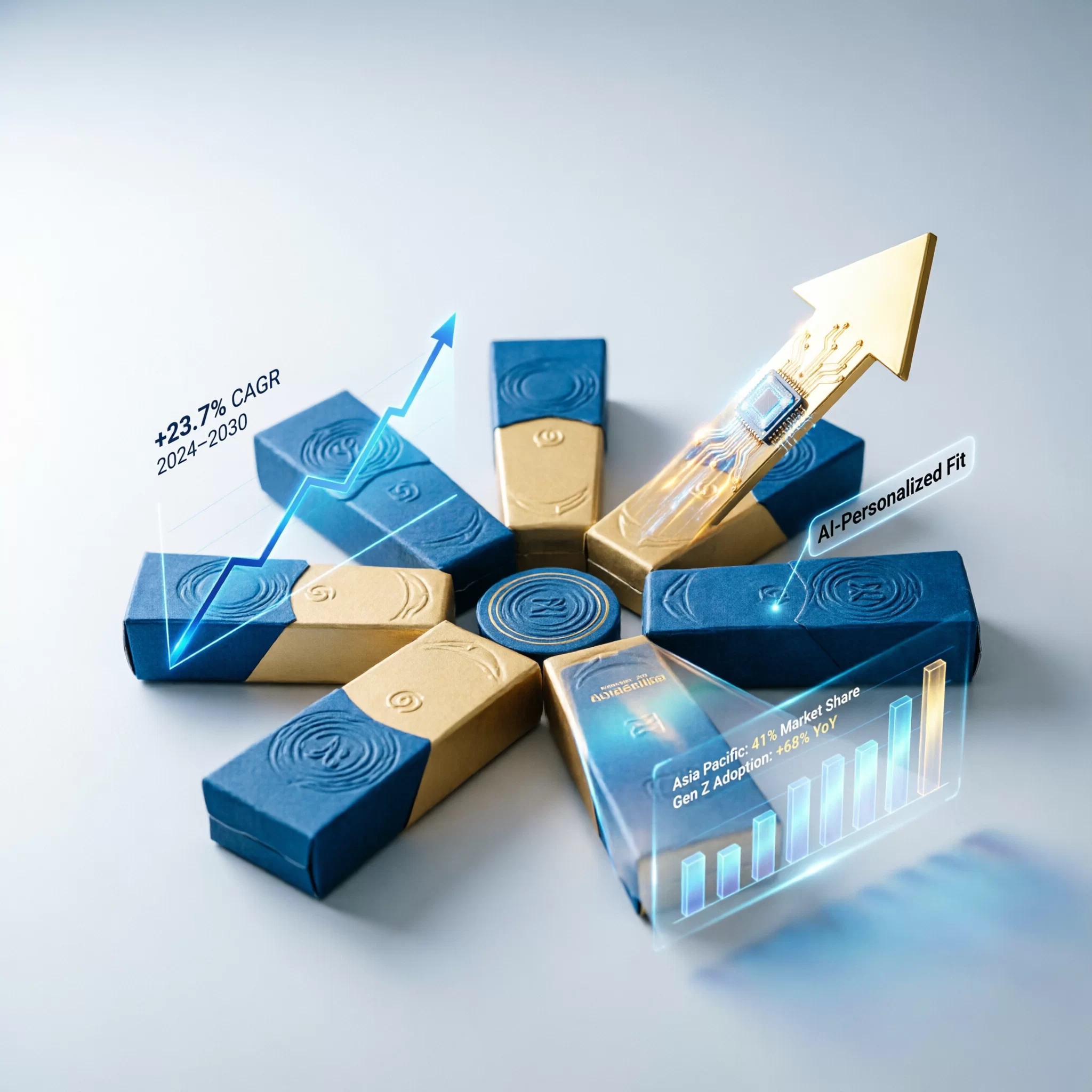

If you’re in the contact lens business — whether you’re a brand owner, a wholesaler, or a retailer — you already know this industry isn’t what it was five years ago. The colored contact lens market has exploded, and it’s not just because people want bigger, brighter eyes anymore.
After working with hundreds of brand partners across 40+ countries at MIOMI, we’ve seen firsthand what’s driving growth and what’s just noise. Here are the seven trends we believe will define the industry through 2026 and beyond. None of them are “futuristic” in a sci-fi way — they’re already happening, right now, to real businesses.
1. Natural Looks Are Winning (and Bold Colors Aren’t Going Away — They’re Just Segmenting)
Let’s start with the most obvious one, because it’s also the most misunderstood.
For years, the colored contact lens market was split between two extremes: super-natural “barely there” lenses for daily wear, and wild, high-diameter cosplay-style lenses for special occasions. What we’re seeing now is a middle ground that’s growing faster than either side — what I’d call “enhanced natural” lenses.
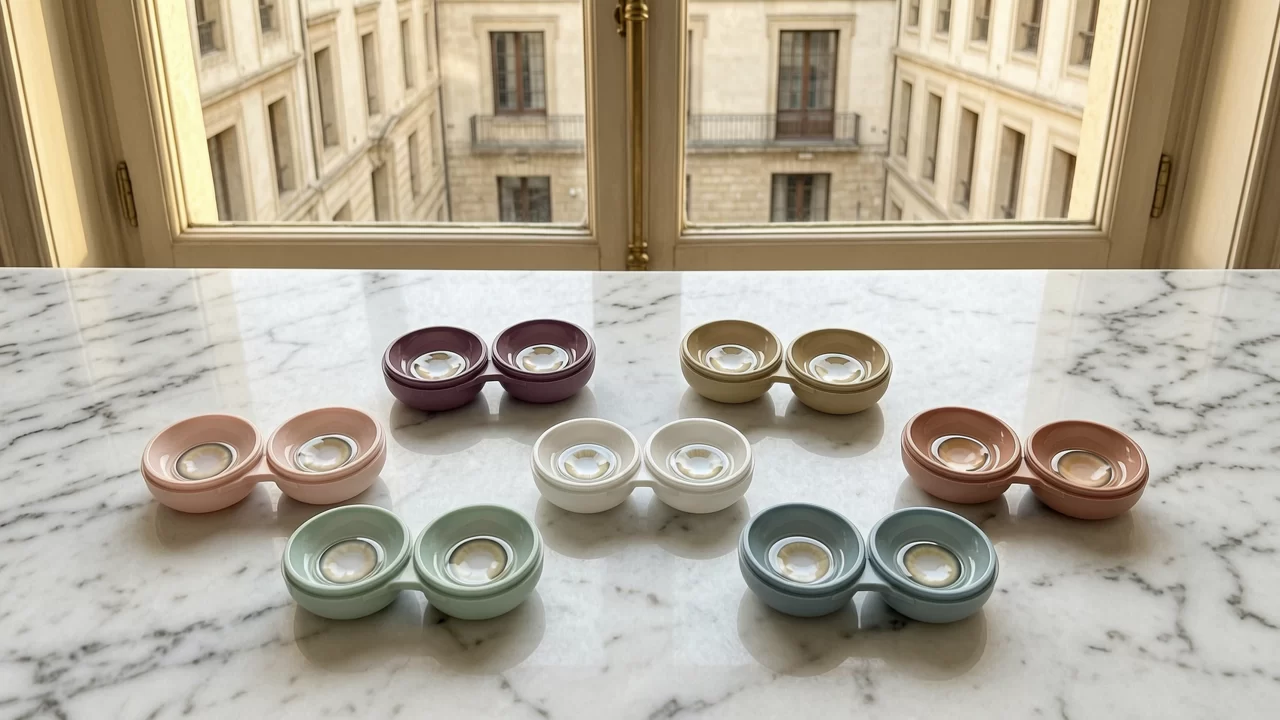
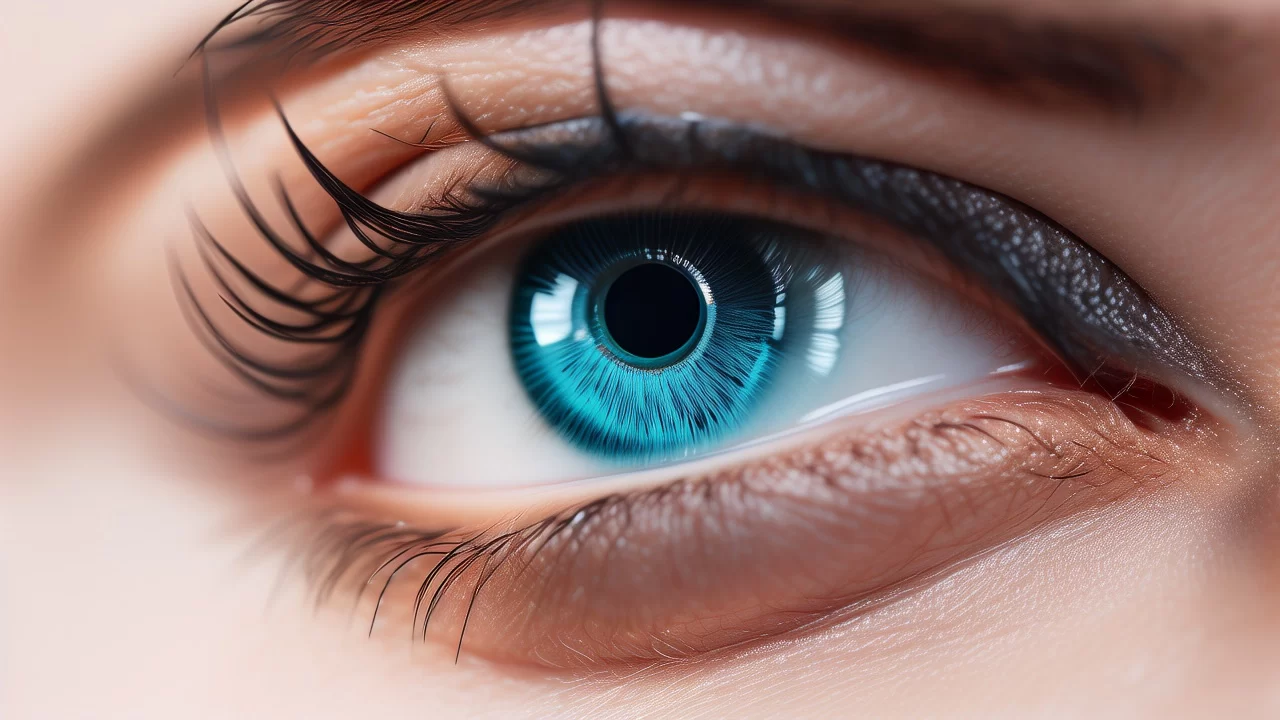
These are lenses that still change your eye color, but in a way that looks like you were just born with nicer eyes. Think warm honey tones, soft gray gradients, and hazel blends with intricate limbal rings that add definition without looking fake.
Why it matters for your business: If your entire product line is either super-bold or barely-there, you’re missing the biggest segment. Customers want options that let them “level up” their everyday look without feeling like they’re wearing costume lenses. The sweet spot right now? 14.2mm diameter with a 13.4mm color area — enough to make a visible difference, but not so much that it screams “contacts.”
And here’s the kicker: bold colors aren’t dying. They’re just becoming their own category. Cosplay, festival season, Halloween — these are seasonal spikes that every smart brand plans for. But your bread and butter? Natural-looking daily wear colors. That’s where the repeat orders come from.
2. Sustainability Is Moving from Buzzword to Buying Factor
I’ll be honest — when I first started hearing “sustainable contact lenses” a couple of years ago, I rolled my eyes a little. Contact lenses are medical devices made of plastic. How sustainable can they really be?
But here’s what changed: customers started asking. Not just eco-warrior types, but regular buyers who feel guilty about throwing away 30 pairs of lenses a month.
Brands that are getting this right aren’t claiming to be 100% zero-waste (which is basically impossible for daily disposables). They’re taking realistic steps:
- Biodegradable packaging instead of plastic blister packs
- Recycling programs for used lenses (yes, there are services that do this)
- Longer-lasting formulas that reduce overall waste
- Transparent supply chains so customers know where their lenses come from
The business angle: Sustainability is no longer just a marketing bullet point. It’s becoming a purchasing criterion, especially among younger buyers in North America and Europe. You don’t need to overhaul your entire operation tomorrow — but you should start thinking about what sustainability story you can tell honestly.
3. Customization Is the New Competitive Advantage
Gone are the days when brands could pick 10 colors from a factory catalog, put their logo on the box, and call it a day.
Low MOQ (minimum order quantity) OEM/ODM has transformed the industry. Brand founders — many of them influencers, beauty creators, or small boutique owners — can now launch their own line of colored contact lenses without ordering 50,000 pieces upfront.
We’ve worked with brands that started in a bedroom with 500 pairs and grew to 50,000-pair orders within 18 months. The barrier to entry has never been lower, and that’s both a threat and an opportunity.
What this means:
- If you’re a wholesaler, you need to offer private label options or you’ll lose customers to factories that do
- If you’re a retailer, creating your own brand is more achievable than ever — but so is everyone else
- Product differentiation through unique color designs, packaging, and brand story is more critical than ever
The brands winning right now aren’t the ones with the biggest catalogs. They’re the ones with a clear identity and a loyal community.
4. Regulatory Compliance Is Getting Stricter (and That’s Good News for Serious Players)
Let’s talk about something nobody likes but everyone has to deal with: regulations.
The past two years have seen a major tightening of enforcement in key markets. The FDA in the US, the MHRA in the UK, and various EU bodies are all cracking down on uncertified colored contact lenses being sold through social media and third-party marketplaces.
This sounds like bad news. It isn’t — at least not if you’re doing things properly.
Why stricter regulation is your friend:
- It weeds out the cheap, unsafe competitors who were undercutting everyone on price
- It educates consumers about why certification matters, which makes them more willing to pay for quality
- It creates trust in the category overall
We’ve had brand partners tell us their sales went UP after Amazon started requiring FDA documentation, because all the garbage sellers got banned overnight.
What you need to do right now: Make sure every product you sell has the right certifications for every market you sell into. FDA for the US. CE marking for the EU. KFDA if you’re targeting Korea. If your supplier can’t provide proper documentation, find one who can. This isn’t optional anymore.
5. Social Commerce Is Rewriting the Sales Playbook
If you’re still relying primarily on your website to sell colored contact lenses, you’re falling behind.
TikTok Shop, Instagram Shopping, Facebook Marketplace — these aren’t just “additional channels” anymore. In many markets, they’re the primary way younger customers discover and buy products.
But here’s what most brands get wrong about social commerce: they treat it like another place to post product photos. It’s not. Social commerce succeeds when the content is native to the platform.
On TikTok, that means short-form transformation videos — close-ups of eyes, “before and after” shots, real customers wearing your lenses in natural light. Highly polished studio shots don’t perform nearly as well as raw, authentic content.
What’s working right now:
- Micro-influencers with 10k-100k followers consistently outperform big influencers (better engagement, lower cost, more authentic)
- User-generated content (UGC) — encouraging customers to post their own photos and reposting them
- Live shopping — especially in Southeast Asia and the Middle East, where live commerce is massive
The brands that win on social aren’t the ones with the biggest ad budget. They’re the ones who understand what each platform’s audience wants to see.
6. Prescription Colored Lenses Are the Next Growth Frontier
Here’s a trend that surprises a lot of people: prescription colored contact lenses are booming.
For years, colored lenses were mostly seen as a “fashion accessory” — something you wore for a night out or a special occasion. But as the quality has improved and more people discover that colored lenses can be comfortable enough for daily wear, a huge market has opened up: people who need vision correction but also want to change their eye color.
This is a massive untapped market. Think about it — roughly 60% of the world’s population needs some form of vision correction. And among that group, how many do you think would love to have better-looking eyes at the same time?
Why this matters for your business:
- Prescription lenses have higher average order values
- They build stronger customer loyalty (people who need vision correction are regular, repeat buyers)
- They appeal to an older demographic that has more disposable income
If you’re not offering prescription options in your colored lens line, you’re leaving a lot of money on the table. The technology is there — tri-tone designs with proper refractive powers, all the major certifications, comfortable materials. You just need to add them to your catalog.
7. AI and Personalization Are Coming (But Not in the Way You Think)
I know, I know — everyone’s talking about AI right now. Most of it is hype. But there are real applications for AI in the colored contact lens business that are practical, not science fiction.
Here’s what’s actually coming:
Virtual try-on tools have gotten genuinely good. A few years ago, they were clunky and inaccurate. Now, with better AR technology and more sophisticated face tracking, customers can realistically see how different lens colors will look on their own eyes before buying. This reduces returns and increases conversion rates.
AI-powered color recommendations are the next step. Imagine a customer uploads a photo, and your website suggests the three lens colors that will complement their skin tone, hair color, and personal style best. It’s not a gimmick — we’re already seeing brands use this technology and see measurable lifts in average order value.
Design assistance is another area. Brand owners can use AI tools to iterate on color designs faster, exploring more creative options before committing to physical samples. It doesn’t replace a real designer, but it speeds up the process dramatically.
The bottom line: You don’t need to become an AI company. But you should be paying attention to the tools that make the shopping experience better for your customers and the design process easier for your brand.
So What Should You Do Next?
If you’ve read this far, you’re probably wondering which of these trends you should act on first. The answer depends on where your business is right now, but here’s my honest advice:
1. If you’re just starting out — Focus on product differentiation (#3) and compliance (#4). Build a brand with a clear identity, make sure everything is properly certified, and don’t try to compete on price alone.
2. If you’re an established brand looking to grow — Invest in social commerce (#5) and consider adding prescription options (#6). Both of these can meaningfully expand your customer base.
3. If you want to future-proof — Start thinking about sustainability (#2) and AI tools (#7). These won’t transform your business tomorrow, but the brands that get ahead of them will have a real advantage in 2-3 years.
The colored contact lens industry is still growing fast, but it’s also maturing. The brands that will win the next five years aren’t the ones who were first to market — they’re the ones who adapt to what customers actually want.
At MIOMI, we work with brand partners at every stage, from first-time founders launching with 500 pairs to established brands scaling into new markets. If any of these trends have you thinking about your next move, we’d love to hear about it.
Got questions about OEM/ODM, certification, or product development? Reach out to our team at sales@miomicon.com — we’re happy to help, whether you end up working with us or not.