The Future of Colored Contact Lens Manufacturing: Automation and Personalization
Colored contact lens manufacturing has come a long way in recent years. From manual production to automated assembly lines, the industry has seen significant technological advancements. However, the future of colored contact lens manufacturing is likely to be defined by two key trends: automation and personalization.
Automation is already transforming many aspects of contact lens manufacturing, from lens design and material preparation to assembly and quality control. This trend is expected to continue, with manufacturers investing in more advanced robotics, artificial intelligence, and data analytics to improve efficiency and reduce costs.
Personalization, on the other hand, is a relatively new trend that is gaining momentum. With advances in technology, it is now possible to create custom-colored contact lenses that are tailored to individual eye colors, shapes, and preferences. This trend is expected to grow as consumers demand more personalized products and experiences.
Automation in Colored Contact Lens Manufacturing
1. Automated Lens Design and Material Preparation
Automated lens design software is already being used to create custom lens shapes and designs. This software can analyze eye measurements and create lens designs that are optimized for individual wearers. In addition, automated material preparation systems are being used to mix and prepare contact lens materials, ensuring consistent quality and reducing waste.
2. Automated Assembly and Quality Control
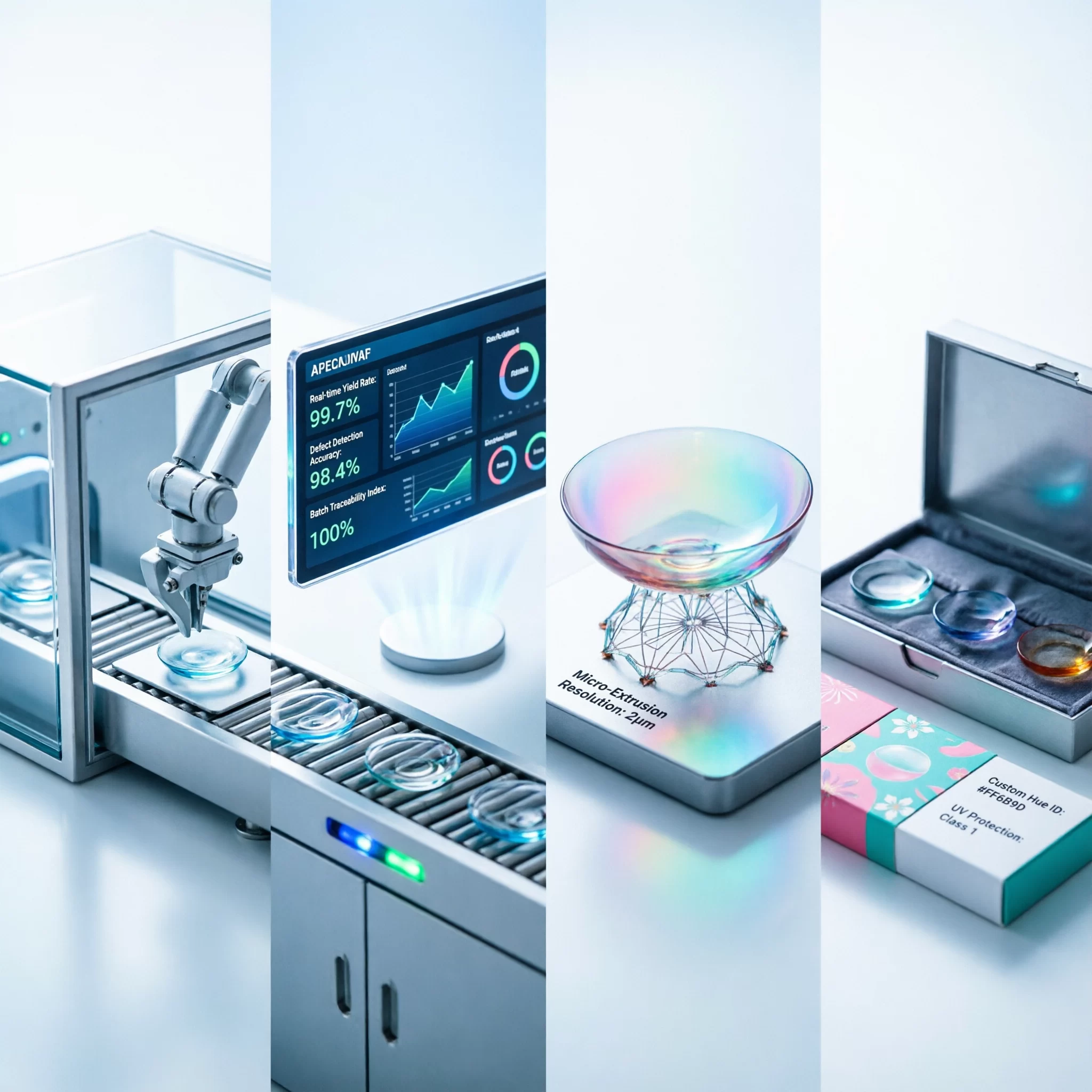
Automated assembly lines are being used to produce colored contact lenses in large quantities. These lines can assemble lenses at high speeds, reducing production time and costs. In addition, automated quality control systems are being used to inspect lenses for defects, ensuring that only high-quality lenses reach the market.
3. Artificial Intelligence and Data Analytics
Artificial intelligence and data analytics are being used to improve manufacturing processes and quality control. For example, machine learning algorithms can analyze data from quality control systems to identify patterns and predict defects before they occur. This can help manufacturers reduce waste and improve efficiency.
Personalization in Colored Contact Lens Manufacturing
1. Custom-Colored Contact Lenses
Custom-colored contact lenses are already available, but they are currently limited to a small number of manufacturers and are relatively expensive. However, advances in technology are expected to make custom-colored contact lenses more accessible and affordable in the future. For example, 3D printing technology could be used to create custom-colored contact lenses in a matter of minutes.
2. Biometric Eye Scanning
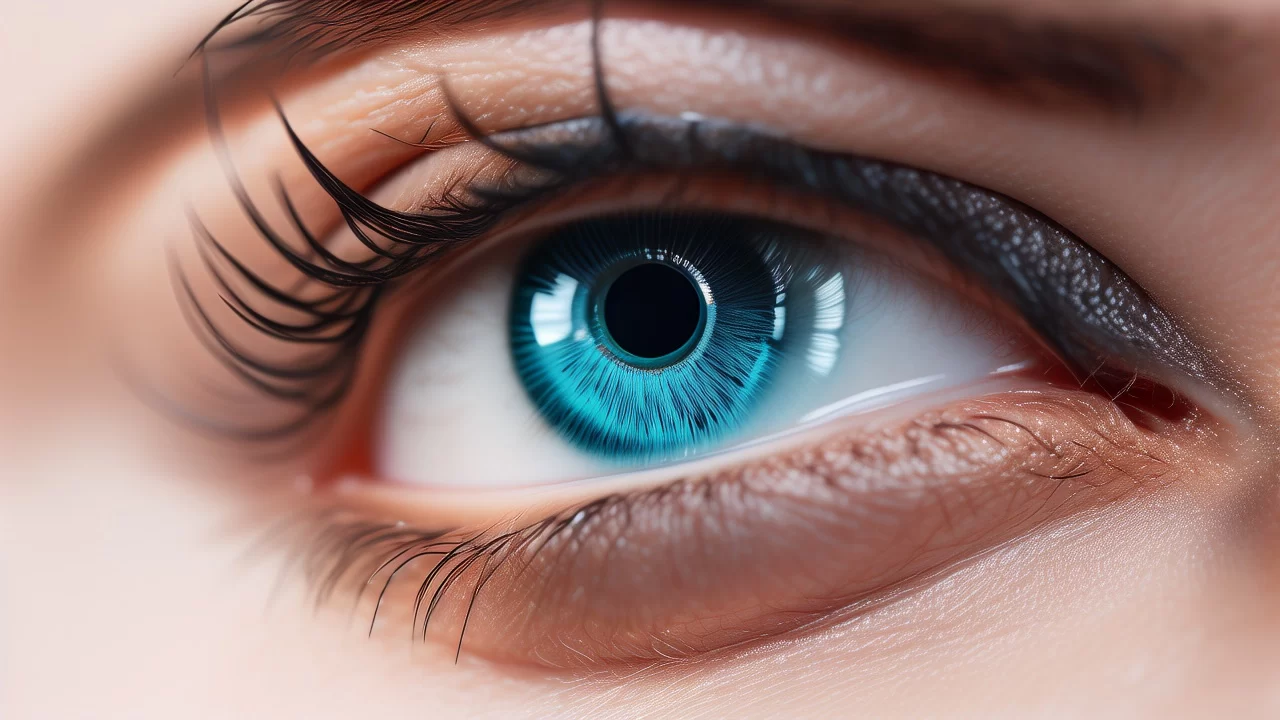
Biometric eye scanning technology is being used to create custom-colored contact lenses that are tailored to individual eye colors, shapes, and preferences. This technology can scan the eye and create a 3D model of the iris, which can then be used to design a custom-colored contact lens. This can result in a more natural-looking and comfortable lens.
3. Personalized Packaging and Marketing
Personalized packaging and marketing are also becoming more important in the colored contact lens industry. Manufacturers are using data analytics to create personalized packaging and marketing materials that are tailored to individual consumers. For example, packaging can include personalized messages and images based on the consumer’s eye color and preferences.
The Benefits of Automation and Personalization
1. Improved Efficiency and Reduced Costs
Automation can improve efficiency and reduce costs by reducing production time and waste. This can help manufacturers offer competitive prices and improve profit margins.
2. Enhanced Quality and Consistency
Automated quality control systems can ensure that only high-quality lenses reach the market, reducing the risk of defects and customer complaints. In addition, automated manufacturing processes can ensure consistent quality and performance.
3. Increased Customer Satisfaction
Personalization can increase customer satisfaction by offering products that are tailored to individual needs and preferences. This can result in higher customer loyalty and repeat business.
The Challenges of Automation and Personalization
1. High Initial Investment
Automation and personalization require significant initial investment in technology and equipment. This can be a barrier for small manufacturers and new entrants to the market.
2. Regulatory Compliance
Contact lens manufacturing is highly regulated, and new technologies must comply with strict safety and quality standards. This can be a challenge for manufacturers who are adopting new technologies.
3. Consumer Acceptance
Consumer acceptance of personalized colored contact lenses is still relatively low. Many consumers are not aware of the benefits of personalized lenses, and some may be hesitant to try them due to cost or safety concerns.
Conclusion
The future of colored contact lens manufacturing is likely to be defined by automation and personalization. Automation can improve efficiency, reduce costs, and enhance quality, while personalization can increase customer satisfaction and loyalty. However, there are also challenges that must be addressed, including high initial investment, regulatory compliance, and consumer acceptance.
At MIOMI, we are committed to staying at the forefront of technological advancements in colored contact lens manufacturing. We are investing in automation and personalization technologies to offer our customers high-quality, custom-colored contact lenses that are tailored to their individual needs and preferences. If you are interested in learning more about our manufacturing capabilities or would like to place an order for custom-colored contact lenses, please contact us today.