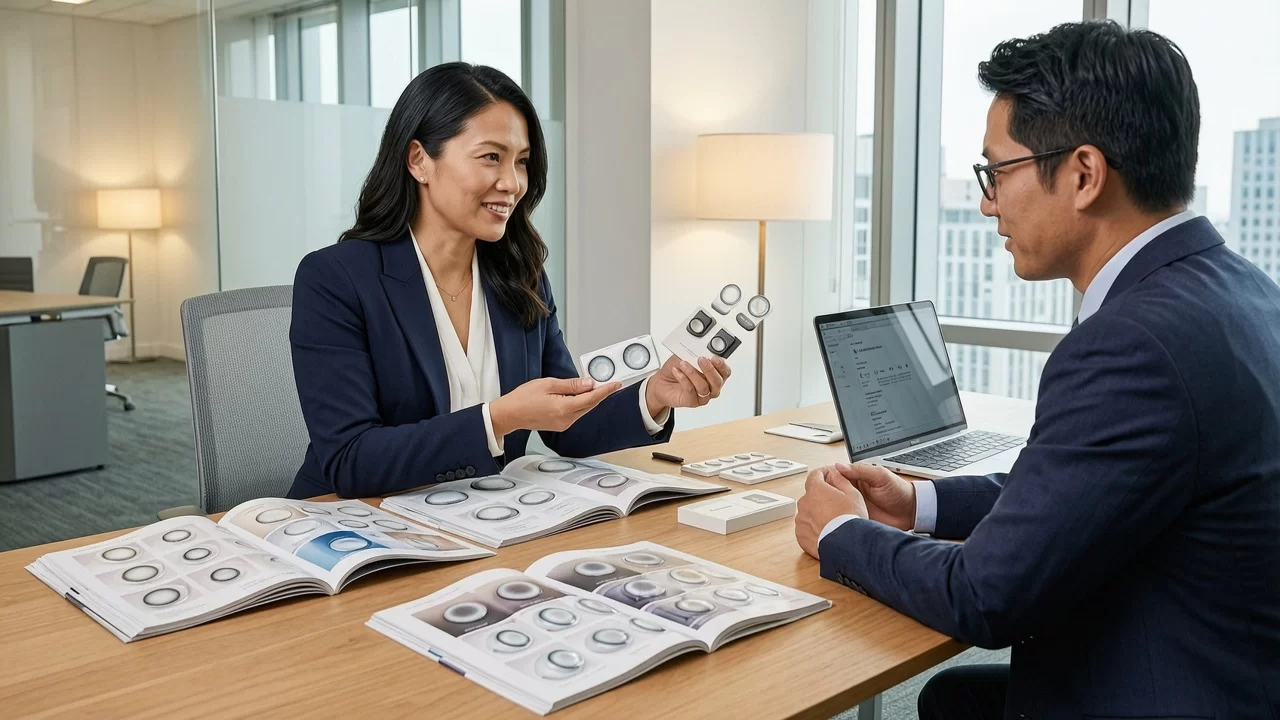
If you’ve ever launched a private label contact lens line, you already know the most frustrating bottleneck isn’t production — it’s sampling.
You send your specs. The manufacturer sends back a sample. It’s wrong. You go back and forth two, three, four rounds. Suddenly three months have passed, your launch timeline is toast, and you’re wondering whether your OEM partner is competent or just ignoring you.
Here’s the truth: most sampling delays aren’t the factory’s fault. They’re the brand owner’s fault. The brief was vague, the priorities were unclear, or nobody agreed on what “approved” actually means before the first sample was made.
After working with dozens of brand owners through our OEM/ODM process, I’ve seen the pattern clearly. The brands that get to market fast don’t have better manufacturers — they have better briefs. This article walks through what a realistic, efficient sampling process looks like, and exactly what you need to prepare before you ever contact a supplier.
What “Sampling” Actually Means in Contact Lens OEM
Let’s start by clearing up a common misunderstanding. When a brand owner says “I need a sample,” they usually mean one of three very different things:
- A color and pattern sample — you want to see what a specific lens design looks like on an actual eye (or at least on a model eye). This is about aesthetic approval.
- A parameter sample — you need to verify that the manufacturer can hit your target diameter, base curve, water content, and center thickness. This is about technical capability.
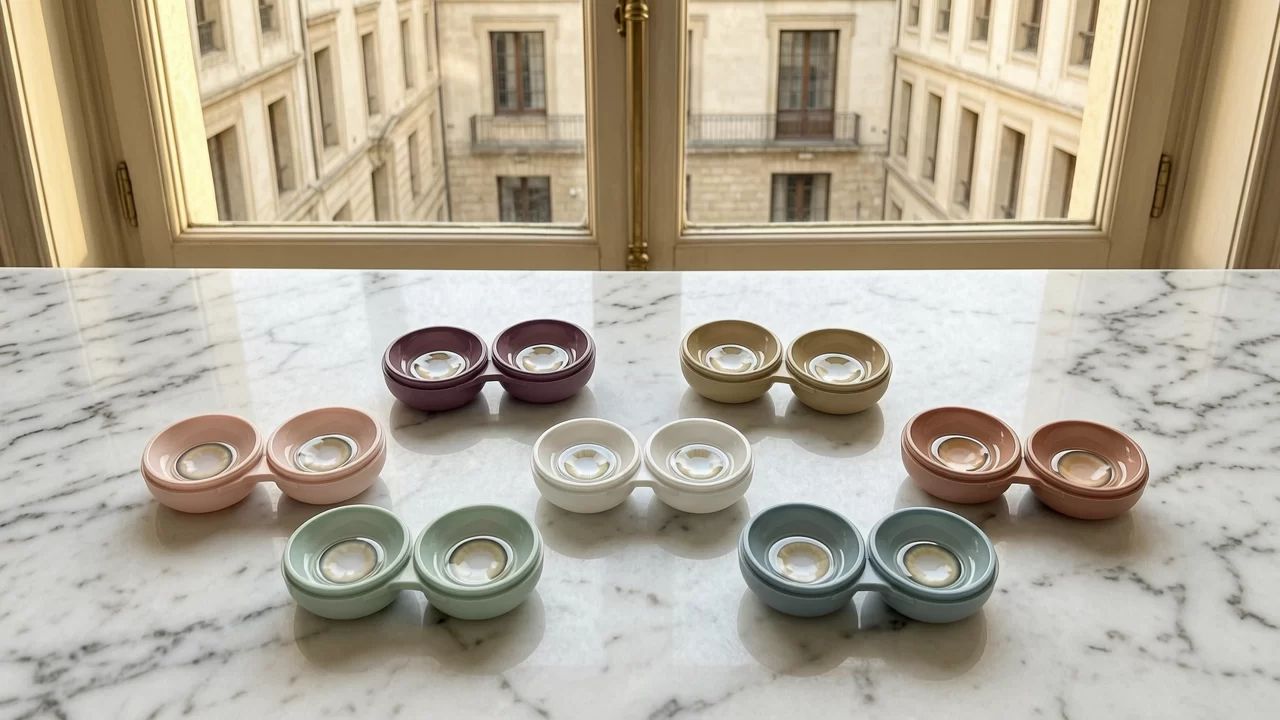
- A packaging sample — you want to see your logo, label design, and blister pack layout before committing to a full print run. This is about branding.
Most brand owners mash all three into one request and then wonder why the sample doesn’t check every box. It can’t. Each of these samples serves a different purpose, comes from a different stage of development, and has a different timeline.
A realistic project runs them in sequence — not all at once.
The 30-Day Sampling Timeline (And What Happens Each Week)
Here’s what an efficient sampling process looks like when both sides do their homework:
Week 1: Brief Finalization
Before anything gets made, your brief needs to be locked. That means:
- Target parameters with acceptable tolerances (not just “14.2mm” but “14.2mm ±0.1mm”)
- Color reference — Pantone codes, reference images on a model eye, or physical swatches you’ve approved
- Material preference — hydrogel or silicone hydrogel, with target water content and Dk/t minimums
- Quantity scenario — how many pairs per order, because this affects whether you get stock tooling or need custom molds
- Packaging format — blister type, solution fill volume, label material, insert requirements
If you can’t write this down in a single document, you’re not ready to request a sample. A good manufacturer will ask you for exactly this information. If they don’t, that’s a red flag — it means they’ll guess, and guessing costs you weeks.
Week 2: Color and Pattern Approval
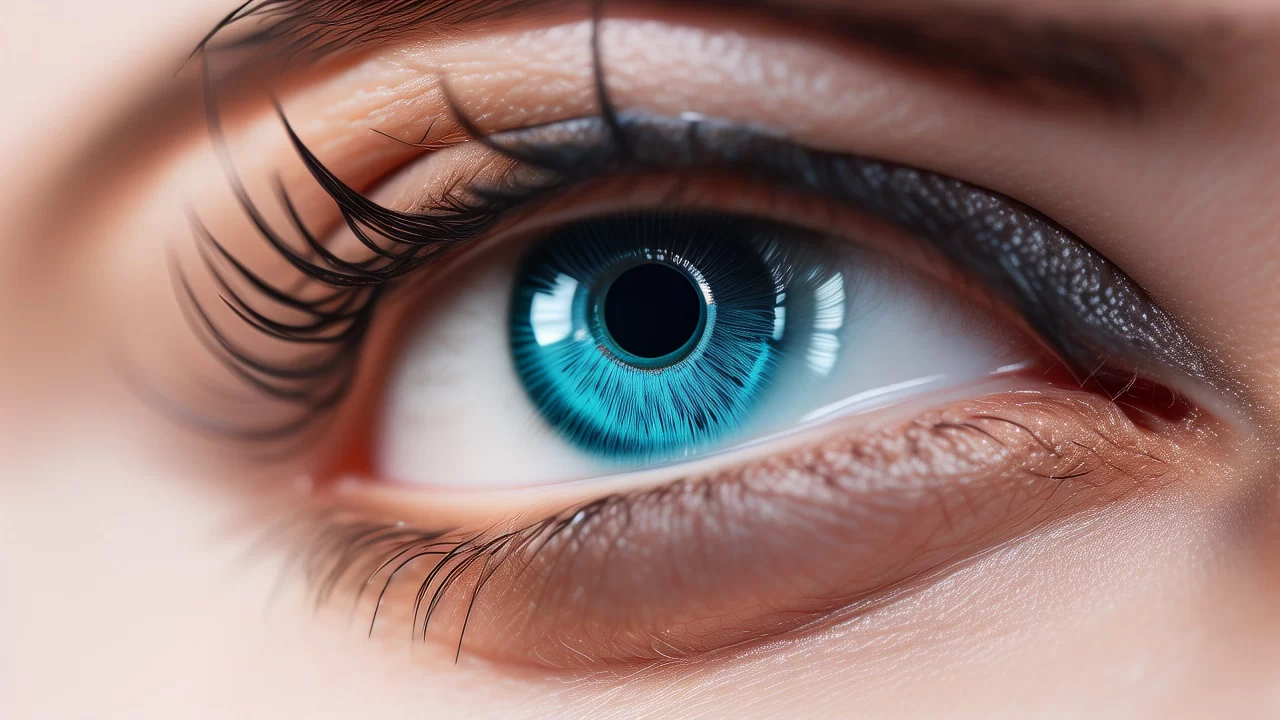
For colored contact lenses, this is where most projects live or die. The manufacturer will produce a small batch of test lenses using your approved color formula and pattern layout. You’ll receive 3–5 pairs to evaluate.
What you’re checking:
- Does the color look right under natural light? Under store lighting? On dark eyes vs. light eyes?
- Is the limbal ring defined or soft? Does it match your reference?
- Is the opacity level correct — full coverage, enhancement, or visibility tint?
- Does the pattern look natural or obviously printed?
This round should take about 7–10 days from the moment you approve the brief. If the color isn’t right, you’ll need one more round — add another week.
Week 3: Parameter Verification
Once the color is approved, the manufacturer runs a technical sample to confirm they can hit your specs consistently. You’ll receive lenses with a full inspection report: diameter, base curve, center thickness, water content, Dk/t, and transmittance.
This is also when you should request the lenses in your target packaging — not the final printed packaging (that comes later), but the correct blister format with the right solution and labeling layout.
Week 4: Final Approval and Production Readiness
By week 4, you should have:
- An approved color sample (signed off in writing)
- A parameter report that matches your spec sheet
- Packaging that looks correct, even if the printing isn’t final
At this point, you sign a sample approval form, and production can begin. The whole process — from brief to green light — takes about 30 days for a standard colored contact lens project.
Custom designs with new molds or unusual parameters? Add 2–3 weeks for mold fabrication.
Five Mistakes That Add Weeks to Your Sampling
I’ve watched this process go sideways more times than I can count. Here are the most common mistakes:
1. Sending a vague brief. “I want a natural-looking brown lens” tells the manufacturer almost nothing. Natural on whom? Under what lighting? How brown? Your brief needs to be specific enough that two different manufacturers would produce similar samples from it.
2. Changing specs mid-sample. You asked for 14.2mm diameter and 8.6mm base curve. The sample arrives and you think, “Actually, maybe 14.0mm would be better.” That’s a new project, not a revision. Start a new brief.
3. Approving by photo instead of physical sample. Screenshots and phone photos distort color badly. Always insist on receiving physical samples before signing off. If you’re working with an overseas manufacturer, budget for shipping time.
4. Skipping the parameter check. The color looks great, so you approve and rush to production — only to discover the water content is 10% lower than your target, or the base curve doesn’t fit your test panel. Parameter verification isn’t optional.
5. Not defining what “approved” means. Does approval mean the color is perfect? Or just “close enough”? Write down your acceptance criteria before you see the sample, or you’ll negotiate with yourself forever.
How to Choose Between Stock and Custom Sampling
Most contact lens manufacturers offer two sampling paths:
Stock sampling uses existing lens designs and just applies your color choice. It’s fast (7–10 days), cheap (sometimes free), and great for testing whether a particular lens style works for your market. The trade-off: you’re limited to what the manufacturer already makes, and other brands may be selling the same lens under a different label.
Custom sampling means new molds, new patterns, or new parameter combinations. It costs more (–,000 depending on complexity) and takes longer (3–5 weeks), but the result is uniquely yours. If you’re building a serious brand, this is the path.
For most new brand owners, I’d recommend starting with stock sampling to validate your market, then moving to custom once you’ve confirmed demand. There’s no point spending ,000 on a custom mold before you know whether anyone will buy the lenses.
The Question Nobody Asks Early Enough
Here’s something I wish more brand owners would ask before starting the sampling process: “What happens if the sample doesn’t pass my quality check?”
Specifically:
- How many revision rounds are included in the sampling fee?
- What’s the turnaround time for each revision?
- At what point does a “revision” become a “new project” with new charges?
- Who pays for shipping on revision samples?
These aren’t adversarial questions. They’re the exact questions that prevent disputes later. A reputable manufacturer will answer them clearly and put the answers in writing. If they get defensive, you’ve learned something important about how they handle problems.
What This Means for Your Launch Timeline
If you’re planning to launch a new colored contact lens line, work backward from your target launch date:
- Sampling: 30 days (standard) or 45–60 days (custom)
- Production: 15–20 days after sample approval
- Shipping: 5–15 days depending on destination and method
- Regulatory clearance: varies by market (add 30–90 days for FDA, CE, or local registration)
That means a realistic timeline from project kickoff to first inventory in hand is 3–4 months for a standard project, or 4–6 months if you need custom molds and regulatory approval in strict markets.
Brand owners who understand this timeline don’t panic when sampling takes a month. They planned for it. Brand owners who think they can go from concept to shelf in six weeks are the ones who cut corners, approve bad samples, and end up with a product they don’t actually want to sell.
Final Thought
Sampling isn’t a formality — it’s the most important quality checkpoint in your entire product development process. The time you invest in writing a clear brief, setting acceptance criteria, and verifying parameters will save you exponentially more time (and money) downstream.
The manufacturers who push back on vague briefs aren’t being difficult. They’re protecting your timeline. Listen to them.
MIOMI Optical provides OEM/ODM colored contact lens manufacturing with low MOQ options for new brand owners. Our sampling process is designed to get you from brief to approved sample in 30 days — with clear milestones and no surprises. Get in touch to discuss your project.