Oxygen Permeability in Colored Contact Lenses: What Brands Should Know Before Choosing Materials
When a customer judges a colored contact lens, the first thing they notice is usually the color. But after a few hours of wearing, color is no longer the only thing that matters. Comfort, dryness, redness, and how the lens feels at the end of the day often decide whether that customer buys again.
This is why oxygen permeability is such an important specification for contact lens brands. It is not as easy to market as a beautiful pattern or a trendy shade, but it quietly affects product experience, customer reviews, and long-term brand trust.
For OEM and ODM buyers, understanding oxygen permeability can help you ask better questions, compare samples more intelligently, and avoid choosing a lens only because it looks good in product photos.
What Does Oxygen Permeability Mean?
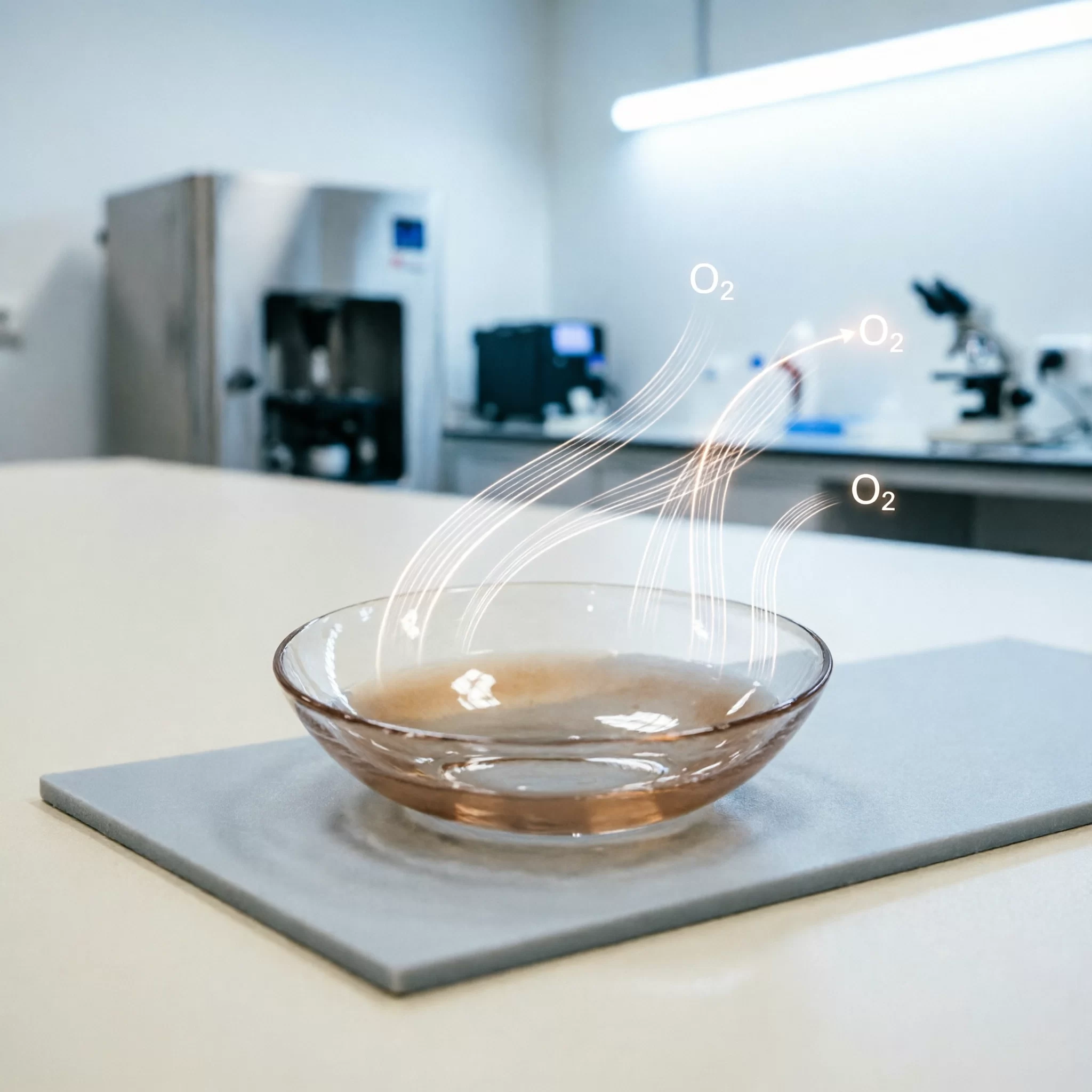
The cornea needs oxygen to stay healthy. Because contact lenses sit directly on the eye, the lens material must allow oxygen to pass through to the cornea. Oxygen permeability describes how well a material allows oxygen to move through it.
In the contact lens industry, buyers may hear terms such as Dk and Dk/t. Dk refers to the oxygen permeability of the material itself. Dk/t refers to oxygen transmissibility, which also considers lens thickness. In simple terms, a material may have good oxygen performance, but if the lens design is too thick, the final oxygen flow may still be lower than expected.
For colored contact lenses, this detail matters because color printing, lens thickness, diameter, water content, and wearing cycle all work together. A comfortable lens is rarely the result of one number alone.
Why Oxygen Matters for Colored Contact Lenses
1. It affects end-of-day comfort
Many customers say a lens feels fine during the first one or two hours. The real test comes later in the day. If the lens does not allow enough oxygen and moisture balance, customers may notice dryness, tired eyes, or a heavy feeling before the day is over.
For beauty lens brands, this is especially important because many users wear lenses for social events, content creation, workdays, or long outings. If the product looks beautiful but feels uncomfortable after several hours, repeat purchase becomes difficult.
2. It influences complaint rates
Comfort complaints are expensive. They lead to refunds, negative reviews, customer service pressure, and lower confidence from distributors. While not every discomfort issue is caused by oxygen permeability, poor material selection or unsuitable thickness can increase the risk of repeated complaints.
3. It supports safer product positioning
Colored contact lenses are not just cosmetics. In many markets, they are regulated as medical devices. Brands that understand material performance, oxygen needs, and lens safety can communicate more responsibly and build stronger trust with partners and consumers.
Oxygen Permeability Is Not the Only Comfort Factor
Some new buyers look for one “best” number and assume that higher oxygen permeability automatically means a better product. In reality, contact lens comfort depends on several connected factors.
Water content
Water content affects lens softness and moisture behavior. A higher water content may sound more comfortable, but it is not always better for every climate or wearing habit. Some high-water lenses may feel soft at first but become dry faster for certain users.
Lens thickness
Thickness affects oxygen transmissibility, lens handling, and how the lens feels on the eye. A very thin lens may feel light but can be harder for beginners to handle. A thicker lens may be easier to handle but may reduce oxygen flow if the material and design are not balanced.
Diameter and base curve
Diameter and base curve influence fit and movement. A lens that does not fit well can feel uncomfortable even if the material specification looks good on paper. This is why sample testing should never focus only on color appearance.
Color printing structure
Colored lenses require pigments and printing layers. Reliable manufacturers use safe processes to keep pigments sealed and away from direct eye contact. However, the overall lens design still needs to maintain comfort, oxygen flow, and stability.
How Brands Should Evaluate Materials Before Ordering
Ask for complete specifications
Do not evaluate a lens only by diameter, water content, and color. Ask your manufacturer for a complete specification sheet, including material type, water content, base curve, diameter, center thickness, wearing cycle, and available certification documents.
Compare samples under real use conditions
A sample may look perfect in a tray or under studio lighting. But brands should also check how the lens feels after several hours, how it moves on the eye, and whether users report dryness or redness. If your target market has hot, dry, or air-conditioned environments, sample testing should reflect those conditions.
Match material choice to product positioning
A daily disposable lens, a monthly lens, and a yearly cosmetic lens should not be evaluated with the same expectations. A premium daily lens may prioritize hygiene, softness, and convenience. A monthly beauty lens may need a stronger balance between durability, comfort, and color stability.
Check compliance requirements early
If you plan to sell in markets such as the United States, Europe, Canada, or the Middle East, ask about regulatory requirements early. Material selection, testing records, labeling, and documentation may affect your launch timeline.
Questions to Ask Your OEM/ODM Manufacturer
- What material options are available for this product line?
- What are the Dk or Dk/t values for each option?
- What is the center thickness of the finished lens?
- How does the color printing process affect the final lens structure?
- What wearing cycle is recommended for this material?
- What comfort feedback has been collected from previous sample testing?
- Which certifications or test reports are available for target markets?
Good suppliers should be able to explain these points clearly. If a manufacturer only talks about color, price, and MOQ but cannot explain material performance, buyers should be careful.
Common Mistakes New Brands Make
Choosing the most dramatic design without testing comfort
Large diameters, bold limbal rings, and high-impact patterns may perform well in photos, but they do not guarantee repeat sales. If the lens feels heavy or dry, customers may not reorder.
Assuming all lenses with the same water content feel the same
Two lenses can have similar water content but very different comfort because of material, thickness, edge design, and fit. Always test the finished lens, not just the specification sheet.
Ignoring regional wearing habits
Customers in different markets may wear lenses for different reasons and lengths of time. A product that works well for short social use may not be ideal for daily wear. Product planning should reflect real customer behavior.
Final Thoughts
Oxygen permeability is not the most glamorous part of colored contact lens branding, but it is one of the details that separates short-term products from serious long-term product lines. For B2B buyers, understanding this specification helps reduce complaints, improve customer trust, and build a healthier product portfolio.
At MIOMI, we support overseas brands with OEM/ODM colored contact lens development, including material selection, specification planning, sample review, and packaging customization. If you are planning a new colored lens line and want to balance beauty with comfort, contact us to discuss your project.