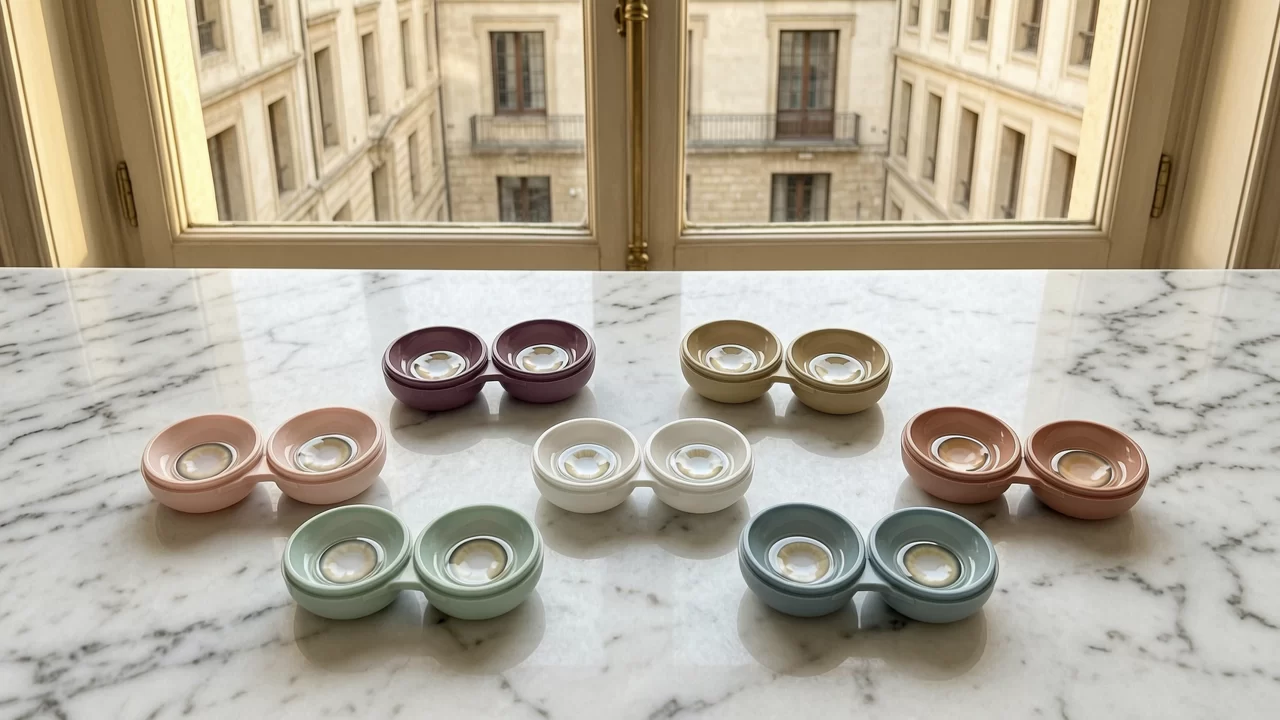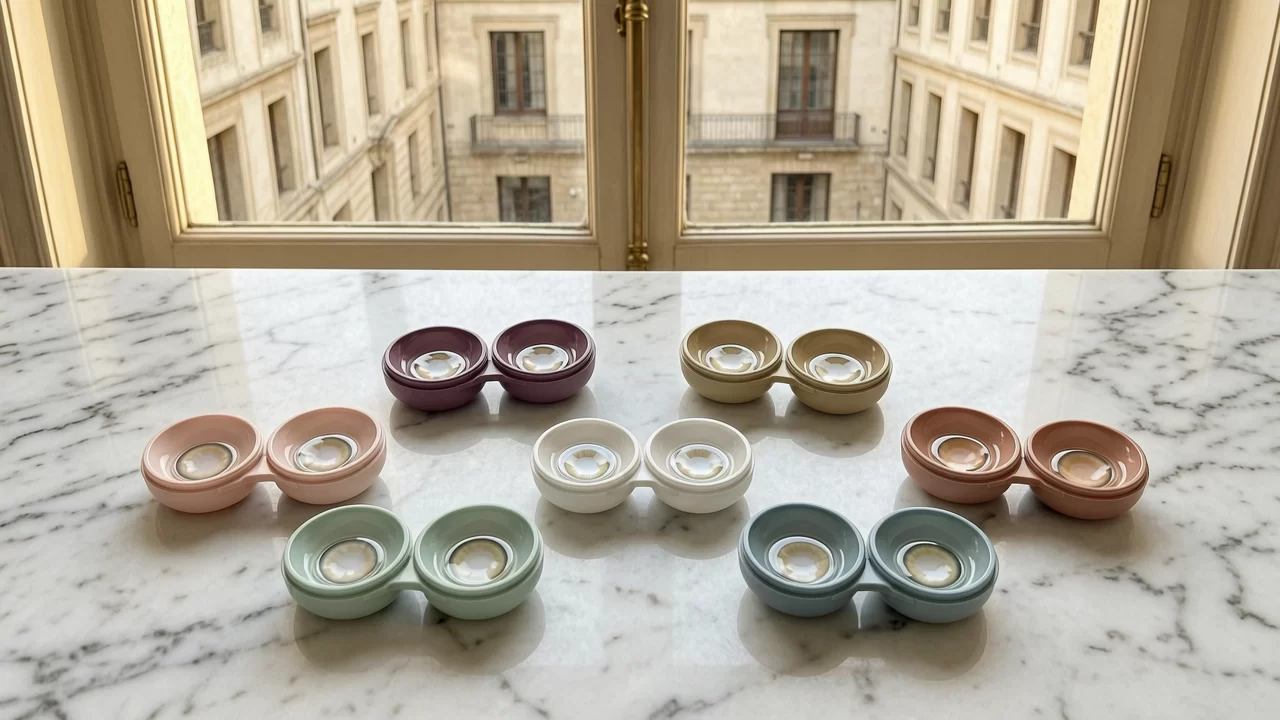
One of the first questions every new contact lens brand owner asks is: how much should I sell my lenses for? Price it too high and nobody buys. Price it too low and you cannot cover costs or build a sustainable business.
Getting pricing right is not about guessing. It is about understanding your costs, your market, and the position you want to occupy.
Know Your Cost Structure
Before you set a single price, break down every cost that goes into getting a lens from factory to customer. Manufacturing cost per pair, packaging, labeling, shipping, import duties, warehousing, marketing, and payment processing fees all add up.
Many new brand owners only look at the manufacturing cost and forget everything else. That is a fast way to discover you are losing money on every sale.
Understand Your Market Price Points
Research what similar brands are charging in your target market. Budget colored contact lenses typically sell for 10 to 20 dollars per pair retail. Mid-range brands sit around 20 to 35 dollars. Premium brands with advanced materials and design can command 35 to 60 dollars or more.
This is not about copying competitors. It is about knowing where the market sits so you can position yourself deliberately.
Choose Your Position Deliberately
There are three basic strategies. Cost leadership means you compete on price, targeting high volume with thin margins. This works if you have scale and efficiency on your side.
Differentiation means you compete on quality, design, or brand story. Customers pay more because they believe your product is worth more. This is where most successful new contact lens brands start.
Niche focus means you target a specific segment, like sensitive-eye wearers or fashion-forward Gen Z consumers. You can charge premium prices because you serve a specific need exceptionally well.
Calculate Your Margins
A healthy retail margin for contact lenses is typically 60 to 75 percent. If your landed cost per pair is 3 dollars and you sell at 15 dollars, your margin is 80 percent. That sounds generous until you factor in marketing spend, which in this industry often runs 20 to 40 percent of revenue.
Work backward from your target retail price. Subtract your desired margin. What remains is the maximum you can afford to pay for manufacturing and logistics. If the numbers do not work, either adjust your specifications or raise your price.
B2B Wholesale Pricing
If you are selling wholesale to retailers, your pricing structure changes. Typical wholesale margins are 30 to 50 percent. Your wholesale price needs to leave enough room for the retailer to add their margin while still making the product profitable for you.
The MIOMI Advantage
At MIOMI Optical, we offer competitive manufacturing costs across all volume tiers. Our low MOQ options let you start small and validate your pricing strategy before committing to larger orders. We can work with you to find the right balance between specifications and cost.
Contact us at sales@miomicon.com or visit miomicon.com to discuss your pricing strategy and product specs.