How to Manage Quality Control for Your OEM/ODM Contact Lens Orders
Quality control is one of the most critical aspects of managing OEM/ODM contact lens orders. Ensuring that your products meet the highest quality standards not only protects your brand reputation but also ensures the safety and satisfaction of your customers.
However, managing quality control for OEM/ODM orders can be challenging, especially if you are working with manufacturers located in different countries. There are many factors to consider, from material sourcing and production processes to testing and inspection.
Why Quality Control Matters for Contact Lenses
1. Customer Safety
Contact lenses are medical devices that come into direct contact with the eye. Poor quality lenses can cause serious eye injuries, infections, or other health problems. Ensuring that your products meet safety standards is not only a legal requirement but also a moral obligation.
2. Brand Reputation
Your brand reputation is built on the quality of your products. If customers receive poor quality contact lenses, they are unlikely to purchase from you again and may leave negative reviews that can harm your brand’s reputation.
3. Compliance
Different countries have different regulations and standards for contact lenses. Ensuring that your products comply with these regulations is essential to avoid legal issues and market access problems.
4. Customer Satisfaction
High-quality contact lenses provide better comfort, visual clarity, and durability. This leads to higher customer satisfaction and repeat purchases.
Key Quality Control Measures for OEM/ODM Contact Lens Orders
1. Material Sourcing
The quality of your contact lenses starts with the materials used. Ensure that your manufacturer sources high-quality materials that meet safety and performance standards. Ask for certificates of analysis (COAs) for all materials used in production.
2. Production Processes
Monitor the production processes to ensure that they are consistent and meet quality standards. This includes checking the manufacturing equipment, production environment, and employee training.
3. Testing and Inspection
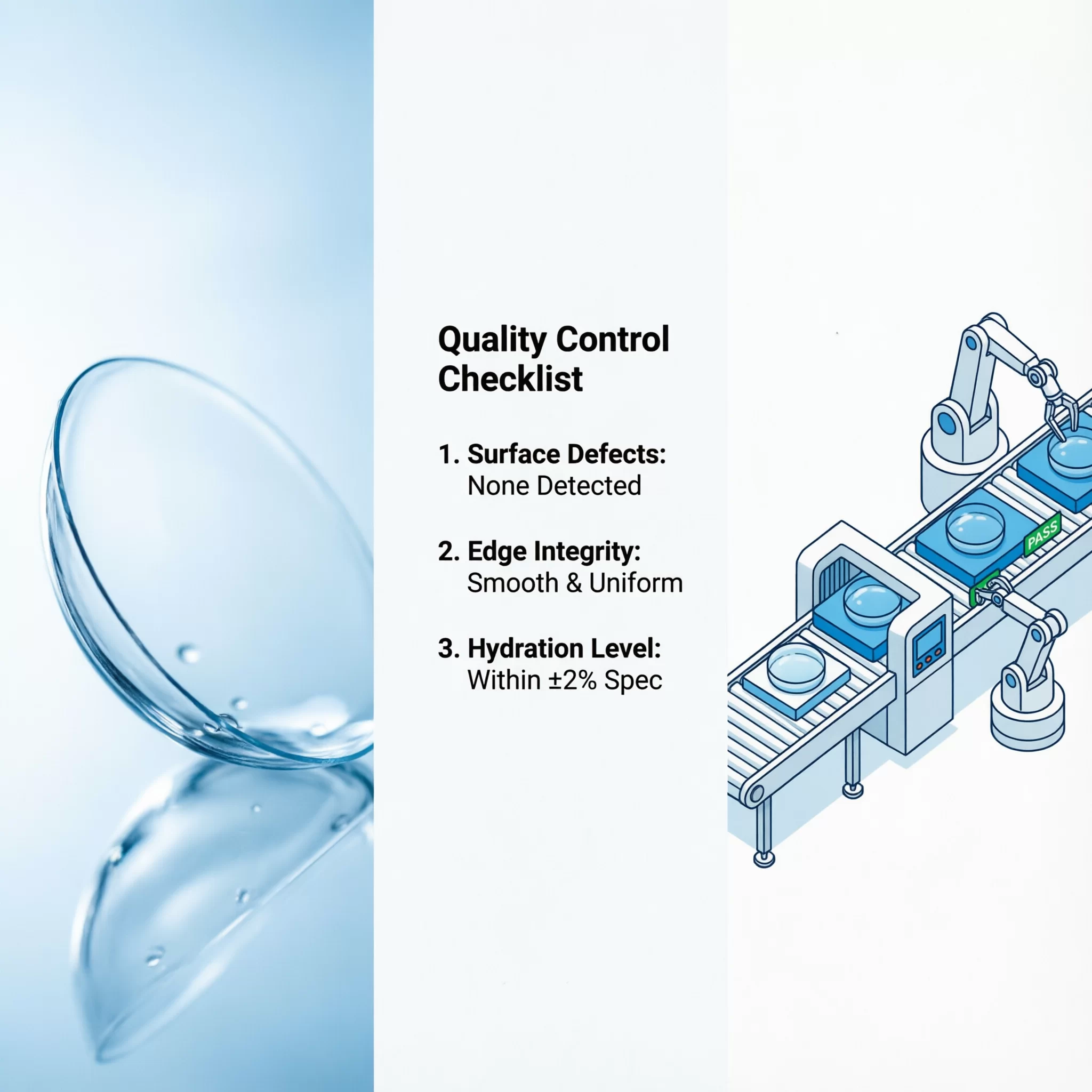
Implement a comprehensive testing and inspection program to ensure that your products meet quality standards. This includes:
- Visual inspection for defects
- Measurement of key parameters (diameter, base curve, water content, etc.)
- Testing for biocompatibility and safety
- Testing for durability and performance
4. Packaging and Labeling
Ensure that your products are packaged and labeled correctly. This includes checking the packaging materials, labeling accuracy, and compliance with local regulations.
5. Traceability
Implement a traceability system to track your products from raw materials to finished goods. This helps to identify any quality issues quickly and take corrective action.
Practical Tips for Managing Quality Control
1. Choose a Reputable Manufacturer
Choose a manufacturer with a proven track record of producing high-quality contact lenses. Check their certifications, customer reviews, and quality control processes before placing an order.
2. Define Clear Quality Standards
Define clear quality standards for your products and communicate them to your manufacturer. This includes specifications for materials, production processes, testing, and packaging.
3. Conduct Pre-Production Inspections
Conduct pre-production inspections to ensure that your manufacturer is using the correct materials and production processes.
4. Monitor Production
Monitor production processes regularly to ensure that they are consistent and meet quality standards. This can include on-site inspections or remote monitoring.
5. Conduct Post-Production Inspections
Conduct post-production inspections to ensure that your products meet quality standards before they are shipped to you.
6. Implement a Sampling Plan
Implement a sampling plan to ensure that you are inspecting a representative sample of your products. This helps to reduce the cost and time associated with full inspections.
7. Use Third-Party Inspectors
Consider using third-party inspectors to conduct quality control inspections. This provides an objective assessment of your products and helps to avoid conflicts of interest.
Case Study: How MIOMI Manages Quality Control
At MIOMI, we have implemented a comprehensive quality control program to ensure that our OEM/ODM contact lens orders meet the highest quality standards. This includes:
- Working only with reputable manufacturers that are ISO certified and have a proven track record of producing high-quality contact lenses
- Defining clear quality standards for all our products
- Conducting pre-production, in-process, and post-production inspections
- Using third-party inspectors to conduct objective quality control inspections
- Implementing a traceability system to track our products from raw materials to finished goods
These measures have helped us to maintain a high level of quality and customer satisfaction.
Conclusion
Managing quality control for OEM/ODM contact lens orders is essential to protect your brand reputation, ensure customer safety, and maintain compliance with regulations. By choosing a reputable manufacturer, defining clear quality standards, and implementing a comprehensive testing and inspection program, you can ensure that your products meet the highest quality standards.
At MIOMI, we are committed to providing high-quality OEM/ODM contact lens services. If you have any questions about our quality control processes or would like to place an order, please contact us for more information.