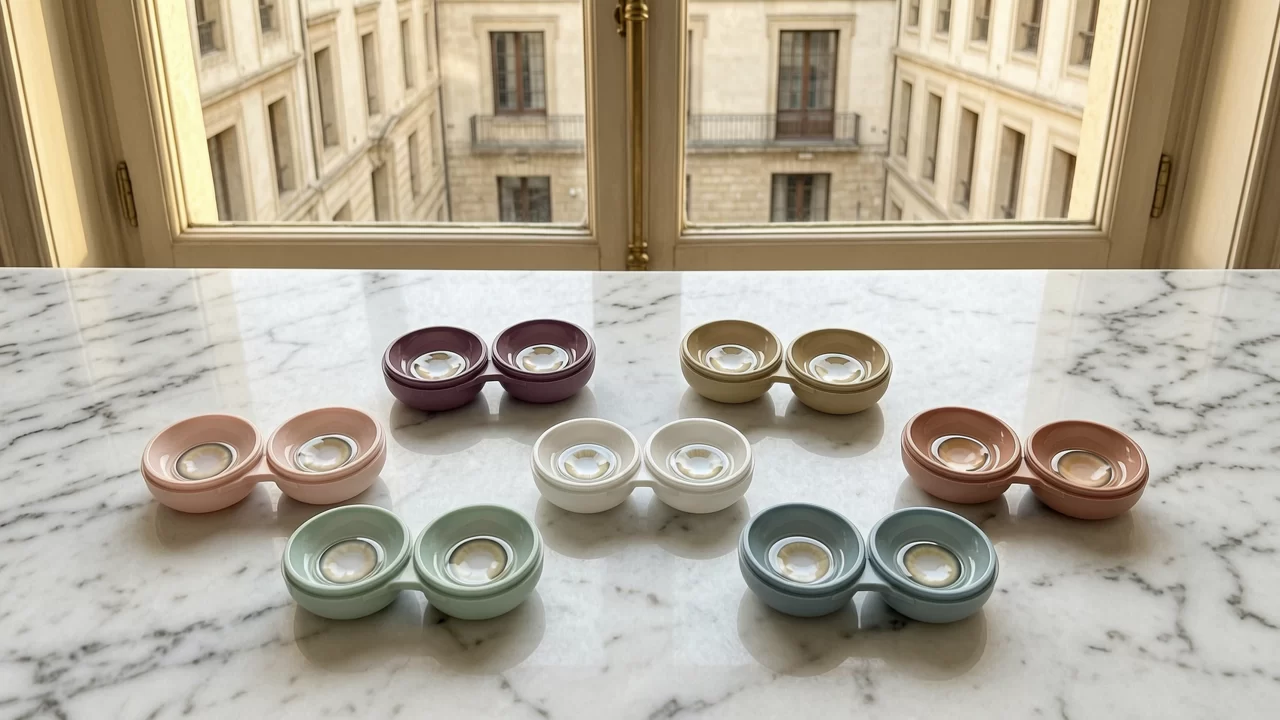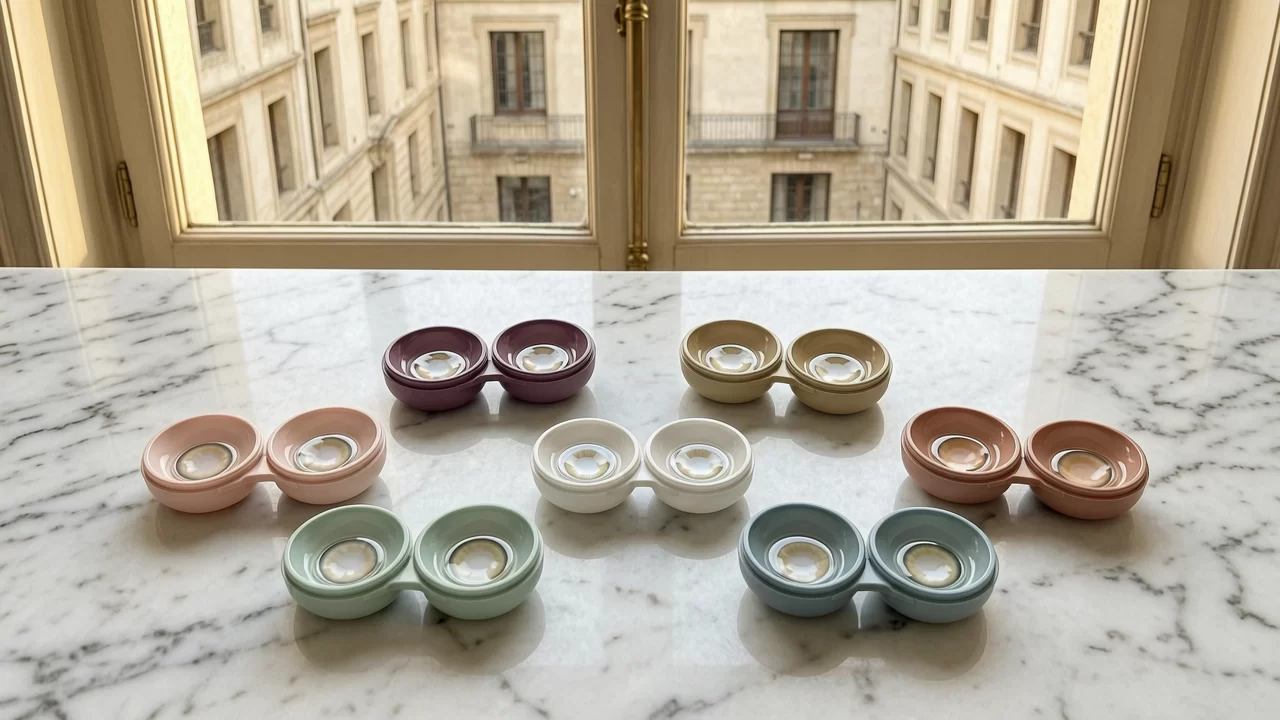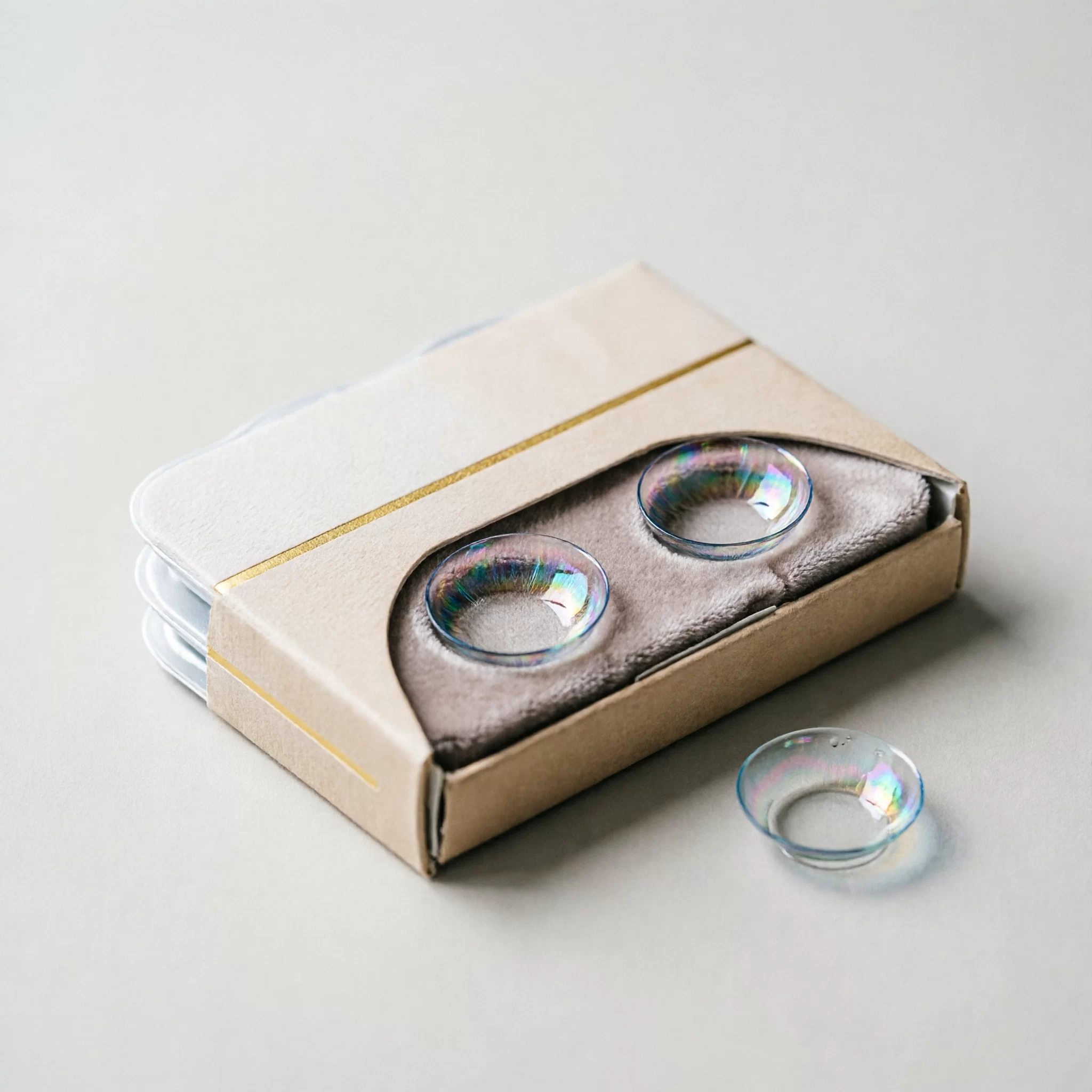
For a long time, daily disposable colored contact lenses sat in an awkward corner of the market.
Consumers liked the idea: fresh lenses, less cleaning, easier hygiene, and a more convenient routine. But for many distributors and private label brands, the numbers did not look friendly. Daily disposables meant higher unit costs, more complex inventory planning, and packaging that took up more space. In many markets, monthly colored lenses were simply easier to sell.
That is starting to change.
Across beauty retail, optical chains, e-commerce stores, and social-commerce sellers, daily disposable colored lenses are moving from a “nice to have” premium product into a serious growth category. The shift is not happening everywhere at the same speed. It is stronger in some markets than others. But the direction is clear enough that B2B buyers should start planning for it now, not after competitors have already taken the shelf space.
This does not mean every brand should immediately replace monthly lenses with daily lenses. That would be too simple, and frankly, not very practical. Monthly and quarterly products still have strong demand, especially where price sensitivity is high. But daily colored lenses are changing how buyers think about safety, repeat purchase, product positioning, and brand trust.
Here is what is driving the trend, and what contact lens brands, wholesalers, and distributors should prepare before entering the category.
1. Consumers are becoming more hygiene-conscious
The biggest reason daily disposables are gaining attention is not fashion. It is hygiene.
Modern contact lens consumers are more aware of eye safety than they were five or ten years ago. Many first-time wearers are not coming from traditional optical channels. They discover colored lenses through TikTok, Instagram, beauty influencers, cosplay communities, or online stores. These customers may love the look, but they do not always have strong lens-care habits.
For sellers, that creates a real problem. A monthly colored lens can be perfectly safe when it is used correctly, cleaned properly, stored in fresh solution, and replaced on time. But when the user forgets to clean the case, reuses old solution, wears lenses for too many hours, or stretches a monthly lens beyond its intended cycle, the risk rises quickly.
Daily disposable lenses remove part of that friction. The customer opens a fresh pair, wears it, and throws it away. There is no lens case to clean, no solution bottle to remember, and less room for poor storage habits. For a beauty-focused customer who only wears colored lenses on weekends or special occasions, this is a much easier message to understand.
From a B2B perspective, this hygiene advantage is becoming a selling point. Retailers can position daily colored lenses as a safer, cleaner, beginner-friendly option. Brands can reduce customer education pressure. Distributors can offer optical stores a product that fits both beauty and eye-care conversations.
2. Beauty buyers want flexibility, not one “signature” color
Another reason daily colored lenses are growing is simple: beauty consumers like variety.
A monthly lens encourages commitment. A customer buys one color and wears it repeatedly. That works well for natural brown, gray, or hazel styles that become part of a daily look. But beauty behavior has changed. Consumers now match lens color with makeup style, hair color, clothing, events, camera lighting, and even content themes.
Someone may want a soft brown lens for work, a bright gray lens for photos, a natural olive tone for weekends, and a bolder design for parties. For that customer, buying several monthly lenses may feel wasteful, especially if each color is only worn a few times.
Daily lenses make experimentation easier. A box can include one color, multiple colors, or be sold as trial packs. This opens the door for brands to create “date night sets,” “office natural sets,” “photo-ready gray sets,” or seasonal color collections. These formats are familiar to beauty consumers because they behave more like makeup products than traditional optical goods.
This is one of the most important shifts for B2B buyers to understand. Daily colored lenses are not only a replacement cycle difference. They can change the entire merchandising strategy. Instead of selling one pair, brands can sell routines, occasions, and looks.
3. The premium price is easier to justify when the value is clear
Daily disposable colored lenses are usually more expensive per wear than monthly lenses. That will not disappear. However, many buyers make the mistake of comparing only the factory price per lens. That is too narrow.
Consumers do not always calculate cost like purchasing managers do. They compare convenience, safety, comfort, and the emotional value of looking good at a specific moment. If a customer only wears colored lenses twice a week, a daily lens may feel more reasonable than buying monthly lenses, solution, and lens cases, then worrying about whether the lenses are still clean.
For brands, the key is to communicate the value clearly. “Fresh pair every time” is easier to understand than a long technical explanation. “No cleaning routine” speaks directly to occasional users. “Good for travel, events, and beginners” gives the product a practical place in the customer’s life.
Wholesale buyers should also look at margin differently. A daily disposable line can support higher perceived value, better packaging, bundle offers, subscription models, and trial-to-repeat conversion. It may not beat monthly lenses on raw unit cost, but it can perform well when positioned properly.
4. Daily colored lenses demand better SKU planning
Here is where many new brands get into trouble.
They see the trend and immediately want ten colors, three diameters, several powers, and premium packaging from day one. On paper, it looks like a full product line. In reality, it can become an inventory trap.
Daily disposables multiply SKU pressure quickly. Every color and prescription range adds inventory depth. If the brand is also offering different box counts, the complexity grows again. For a distributor, this affects cash flow, warehouse space, expiry management, and reorder timing.
A smarter launch usually starts narrower. For example, a brand may begin with three to five proven colors: one natural brown, one soft gray, one hazel or olive, one slightly enlarging daily look, and one photo-friendly shade. Instead of chasing every possible style, the buyer should focus on colors that match the target market’s skin tone, makeup habits, and retail channel.
Power range also needs careful planning. Plano lenses may work for beauty-led e-commerce, but optical shops and repeat customers often need prescription options. The right answer depends on the market. In some regions, plano colored lenses dominate social commerce. In others, prescription availability is essential for credibility.
Before placing a large order, buyers should ask suppliers for realistic MOQ structures by color and power, shelf-life details, packaging carton volume, and reorder lead times. Daily lenses can be profitable, but only if the SKU plan is disciplined.
5. Packaging becomes part of the product experience
Packaging matters for all contact lenses, but it matters even more for daily disposables.
With monthly lenses, the customer may focus on the vial, blister, or outer box at the time of purchase, then use the same pair repeatedly. With daily lenses, the customer interacts with individual blister packs more often. The unboxing and daily-use experience becomes part of the brand impression.
This is why daily colored lenses are especially suitable for private label brands that want a premium beauty identity. A well-designed box, clear color information, comfortable opening experience, and clean instruction layout can make the product feel more trustworthy. Poor packaging, on the other hand, can make even a good lens look cheap.
For B2B buyers, the lesson is straightforward: do not treat packaging as an afterthought. Ask early about box structure, blister labeling, barcode needs, language requirements, instruction inserts, certification marks, and market-specific warnings. If the product will be sold through retail chains, packaging compliance and shelf presentation are just as important as the lens design.
6. Compliance expectations will rise with mainstream adoption
As daily colored lenses become more mainstream, regulatory attention will also become more important. This is especially true when products move from small online shops into optical retailers, pharmacies, or larger beauty chains.
Buyers should not assume that “colored” means “cosmetic only.” In many markets, contact lenses are regulated medical devices, whether they are clear or colored, prescription or plano. Requirements vary by country, but the direction is clear: serious distributors need proper documentation.
At minimum, brands should understand which certificates, test reports, labeling information, and manufacturer documents are required for their sales market. For the United States, FDA-related requirements matter. For Europe, CE documentation is important. For GCC countries, Southeast Asia, Latin America, and other regions, local import and registration rules can differ significantly.
This is one reason supplier selection is critical. A factory that can only provide a low price but cannot support documentation, material information, product specifications, and quality consistency may become a problem later. Daily disposables are often positioned as a safer, cleaner option. The paperwork and quality system must support that promise.
7. The best opportunity may be hybrid product lines
For many brands, the winning strategy will not be “monthly or daily.” It will be both.
Monthly colored lenses can remain the core product for loyal users, price-sensitive markets, and customers who have a favorite everyday color. Daily disposable colored lenses can serve beginners, occasional wearers, travelers, event users, and customers who want to test new colors before committing.
This hybrid approach also helps distributors manage risk. Instead of replacing an existing line, daily lenses can be introduced as a premium extension. A brand might sell monthly lenses as the everyday collection and daily lenses as the “fresh wear,” “try-on,” or “special occasion” collection. Retailers can then recommend based on user habits rather than pushing one format to everyone.
For OEM and private label projects, this creates useful flexibility. A brand can use similar color concepts across monthly and daily formats while adapting diameter, graphic design, and packaging to each use case. Done well, the product family feels consistent without forcing every SKU to do the same job.
What buyers should do before entering the daily lens category
If you are considering daily disposable colored lenses, do not start by asking only for the cheapest quotation. Start with a product and channel plan.
Define who the lenses are for: beginners, beauty users, optical customers, travel buyers, or premium retail shoppers. Decide whether the first launch should focus on plano, prescription, or both. Choose a tight color range based on market demand, not personal preference. Check compliance needs before packaging design is finalized. And make sure the supplier can explain material, water content, diameter, base curve, color process, shelf life, and quality control clearly.
Daily colored lenses are not automatically easy money. They require better planning than many buyers expect. But for brands that understand the category, they offer something valuable: a cleaner user experience, stronger repeat-purchase potential, and a more modern way to connect contact lenses with beauty routines.
Final thought
The contact lens market is not moving in one direction only. Monthly lenses, quarterly lenses, yearly lenses, and daily lenses will continue to coexist because consumers have different budgets and habits. But daily disposable colored lenses are becoming harder to ignore.
For B2B buyers, the question is not whether the trend exists. It does. The real question is whether your brand can enter it with the right SKU plan, packaging, compliance support, and supplier relationship.
At MIOMI, we work with overseas brands, distributors, and private label teams to develop contact lens lines that fit real market demand, not just catalog trends. If you are exploring daily disposable colored lenses or planning a hybrid monthly-and-daily product line, the smartest first step is to build the structure carefully before placing the first production order.