Customization Trends in Colored Contact Lenses: Why Small-Batch OEM/ODM is the Future of B2B
The colored contact lens business used to reward scale. Now it rewards clarity. Buyers want smaller batches, faster feedback, and more control over how a product looks, feels, and sells. That shift is pushing OEM and ODM work toward customization instead of one-size-fits-all catalog orders.
For brand owners, this is a real advantage. Small-batch production lets a business test the market before it commits to a huge launch. It also makes it easier to adjust colors, packaging, and positioning when buyers tell you what they actually want.
Why customization is growing
Consumers are getting more specific. They want lenses that match skin tone, makeup style, eye color, and occasion. At the same time, distributors and private-label brands want products that feel distinct enough to build a story around.
- Faster market testing: Launch a few strong SKUs, then expand based on real demand.
- Lower inventory risk: Smaller buys reduce the chance of dead stock.
- Better brand identity: Packaging and color choices can match the brand instead of the factory catalog.
What buyers are customizing now
In the past, customization often meant just a logo on the box. Today, the brief is broader. Buyers are asking for changes in color density, design size, wearing cycle, box style, retail naming, and even the order in which SKUs are introduced.
The strongest small-batch programs usually focus on a few things first:
- Design tone: natural, bold, or somewhere in between.
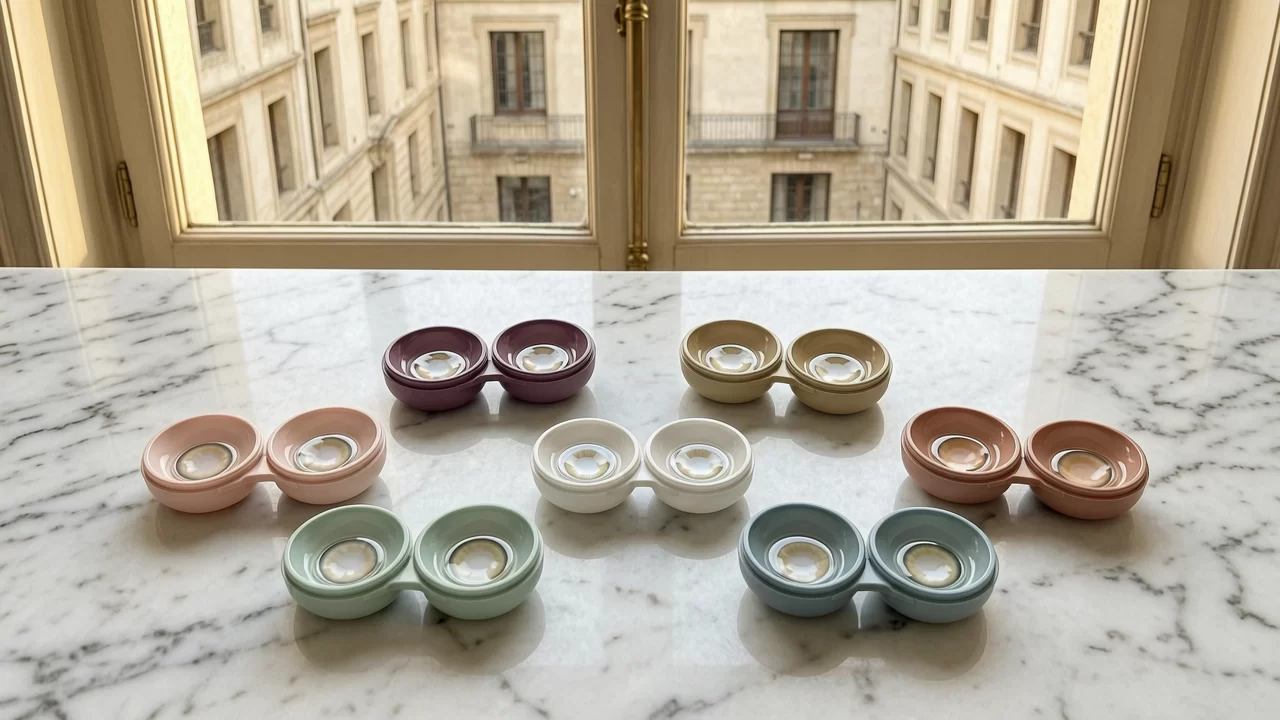
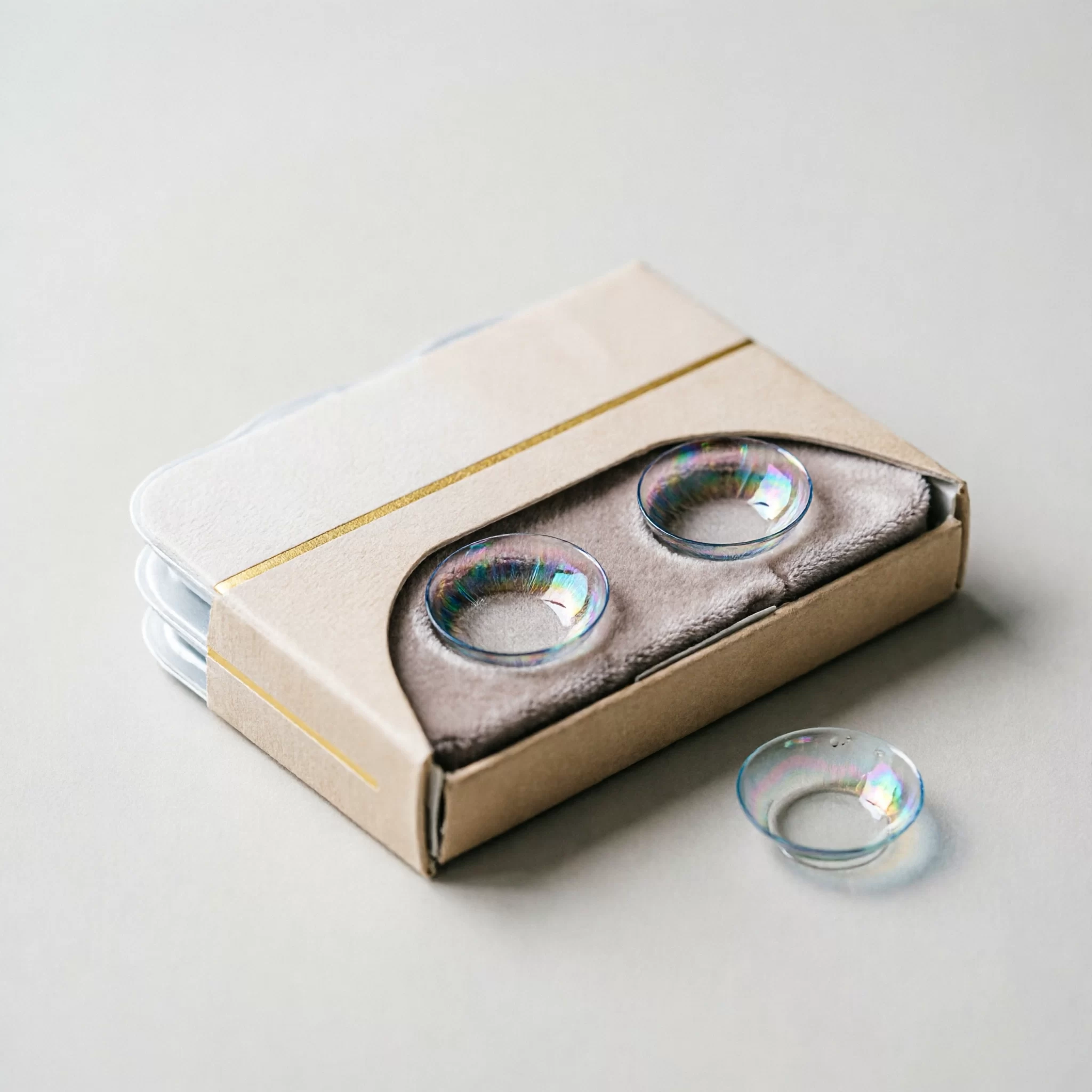
- Packaging style: premium, playful, clinical, or fashion-forward.
- Market fit: what works in the Middle East may not work in Southeast Asia or Europe.
Why small-batch OEM/ODM works
Small-batch orders give brands room to learn. If a grey lens sells better than a brown one, you can pivot. If a box design is too loud, you can simplify. If a daily disposable line is stronger than a monthly line, you can shift the next round of production accordingly.
That flexibility matters because the contact lens market moves quickly. Trend windows are shorter than they used to be. A product that feels “new” in one season can feel old by the next one.
What good suppliers should provide
- Clear MOQ guidance for each design and package format
- Sample rounds that move quickly without losing quality
- Specific advice on target market preferences
- Transparent discussion of lead time and reorder timing
- Support for compliance and documentation
Practical advice for brands
Small-batch does not mean random-batch. The strongest brands still begin with a point of view: who the lens is for, what look it should create, and why a customer would come back for the next order. That is where customization becomes a growth tool instead of just a production feature.
Start with a few hero designs. Build a packaging system that looks consistent. Use the first rounds of production to learn what your customers repeat-buy. Then expand with purpose.
Bottom line
Small-batch OEM/ODM is becoming the practical middle ground between full custom manufacturing and off-the-shelf wholesale. It gives brands enough control to be distinct, while keeping launch risk manageable. In a crowded category, that is a very useful place to be.
For many B2B buyers, customization is no longer a premium extra. It is the operating model.