Proper inventory management is critical for contact lens brands. Stockouts mean lost sales and frustrated customers, while overstock ties up capital and risks expiration. Here is how to find the right balance.
Understanding Contact Lens Shelf Life
Before planning inventory, understand product expiration:
- Unopened lenses: Typically 3-5 years from manufacture
- Opened lenses: Must be used within replacement schedule (daily/bi-weekly/monthly)
- Storage conditions: Room temperature, away from direct sunlight
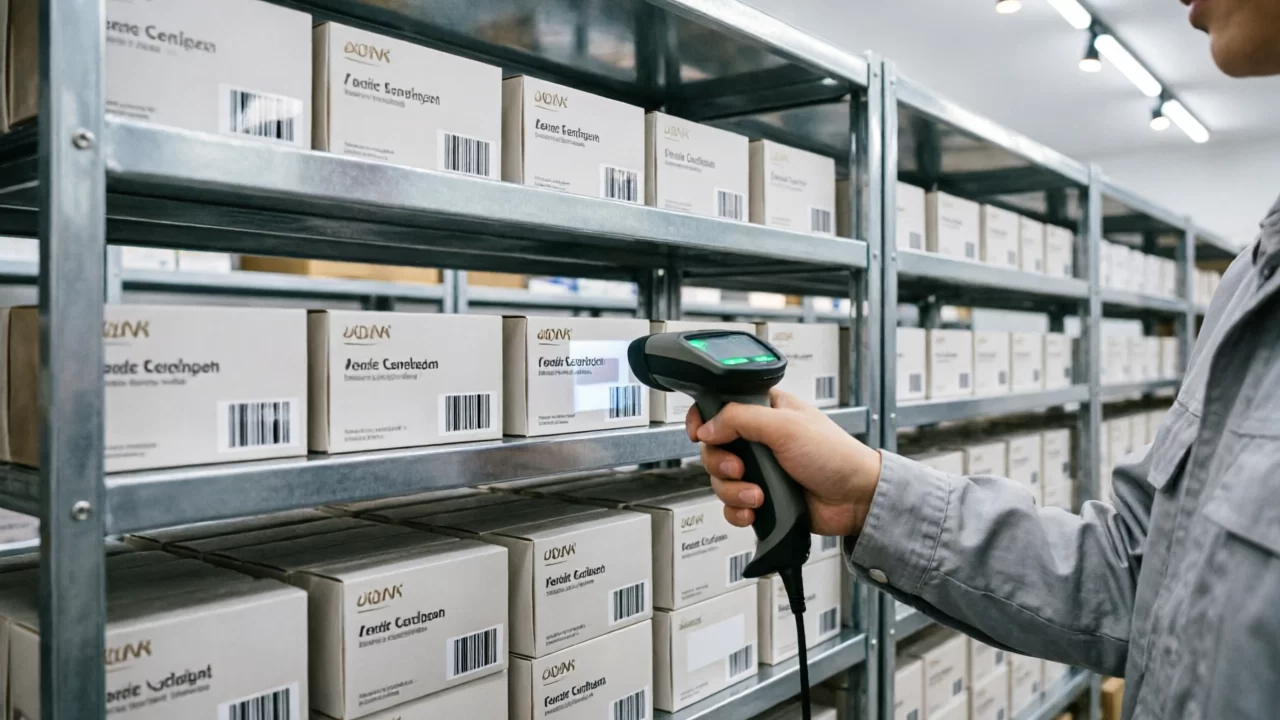
- Batch tracking: Always sell oldest batch first (FIFO)
Key Inventory Metrics
1. Sell-Through Rate
Formula: (Units Sold / Units Received) × 100
Target: 70-80% per month for fast-moving colors
2. Days of Supply
Formula: (Current Inventory / Average Daily Sales)
Target: 30-60 days for established brands
3. Stock Turnover
Formula: Cost of Goods Sold / Average Inventory
Target: 4-6 turns per year
Inventory Planning by Product Type
Bestsellers (20% of SKUs, 80% of sales)
- Keep 60-90 days of supply
- Reorder when inventory hits 30 days
- Never allow stockouts
- Consider safety stock of 2 weeks
Regular Colors (50% of SKUs, 15% of sales)
- Keep 45-60 days of supply
- Reorder when inventory hits 20 days
- Monitor monthly for trends
Slow Movers (30% of SKUs, 5% of sales)
- Keep 30-45 days of supply
- Reorder when inventory hits 15 days
- Consider discontinuing if no movement in 90 days
- Run promotions to clear aging stock
Reorder Point Calculation
Reorder Point = (Average Daily Sales × Lead Time) + Safety Stock
Example:
- Average daily sales: 10 pairs
- Lead time (production + shipping): 20 days
- Safety stock: 5 days (50 pairs)
- Reorder Point: (10 × 20) + 50 = 250 pairs
When inventory drops to 250 pairs, place reorder immediately.
Seasonal Planning
Peak Seasons (Increase Inventory 30-50%)
- Chinese New Year: Order 2 months in advance
- Back to School (August): Teen demand increases
- Black Friday / Cyber Monday: Plan 3x normal inventory
- Valentine Day / Mother Day: Gift purchases increase
Slow Seasons (Reduce Inventory 20-30%)
- Post-holiday (January-February): Consumer spending decreases
- Summer (July): Some markets slow due to travel
Common Inventory Mistakes
❌ Ordering Based on Gut Feeling
Use data, not intuition. Track sales velocity per SKU.
❌ Ignoring Lead Times
Custom orders take 20-30 days. Plan reorders accordingly.
❌ Not Accounting for Expiration
Track batch expiration dates. Sell oldest first.
❌ Over-diversifying Too Early
Start with 10-15 colors, expand based on sales data.
❌ No Safety Stock
Unexpected demand spikes happen. Keep buffer inventory.
Inventory Management Tools
Spreadsheet (Free, Good for Start)
-
li>Track SKU, quantity, batch number, expiration
- Set up reorder alerts with conditional formatting
- Update weekly minimum
Shopify Inventory (Built-in)
- Automatic tracking with sales
- Low stock alerts
- Multi-location support
Dedicated Software (For Growth)
- TradeGecko / QuickBooks Commerce
- Cin7
- DEAR Systems
- Features: Automated reordering, demand forecasting, batch tracking
Working with MIOMI
We support your inventory management with:
- Fast production: 7-10 days for stock items
- Batch tracking: Full traceability
- Flexible MOQ: Reorder small quantities as needed
- Advance notice: Alert you of any production delays
- Consolidated shipping: Combine multiple SKUs in one shipment
Quick Start Checklist
- Set up inventory tracking system
- Calculate average daily sales per SKU
- Determine lead times for each product type
- Set reorder points with safety stock
- Review inventory weekly
- Adjust based on seasonal trends
- Phase out slow movers after 90 days
Contact us: eye@miomi.cc | miomicon.com