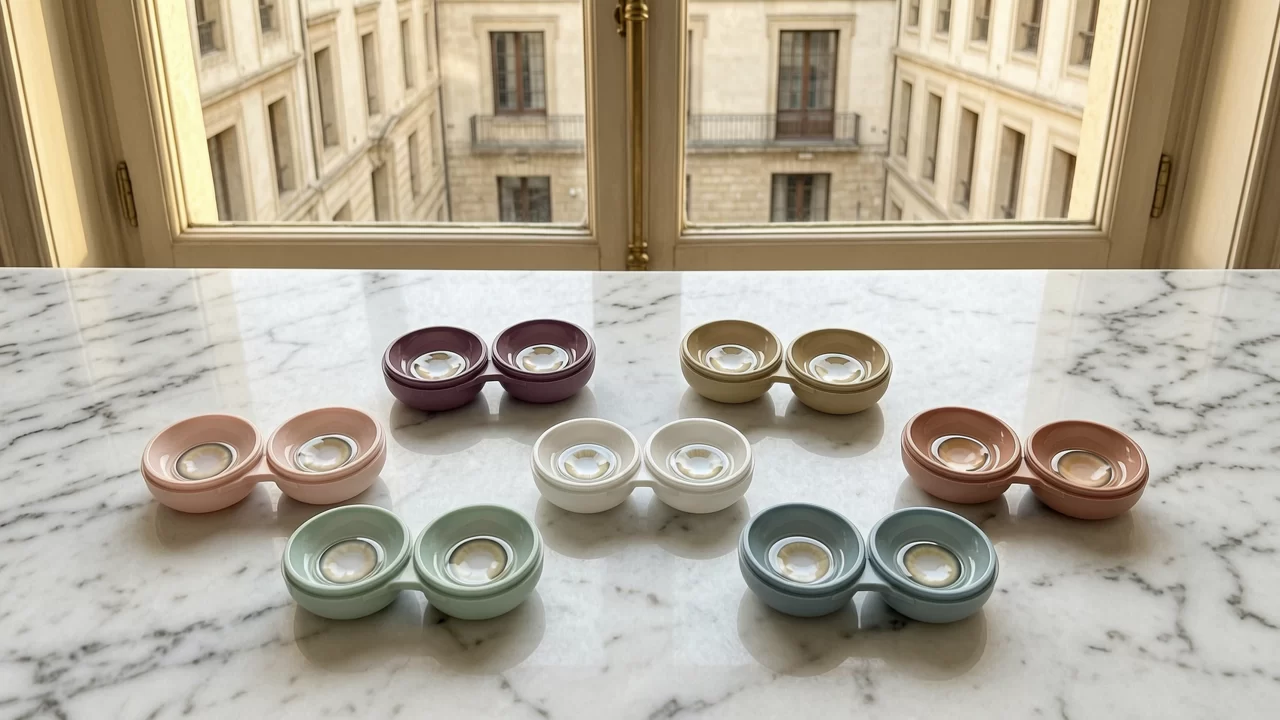
Something fundamental is changing in how people shop for colored contact lenses — and it’s happening on their phone screens.
A few years ago, buying colored lenses online was a leap of faith. You’d look at a model’s photo, guess how the color might appear on your own eyes, and hope for the best. Today, millions of shoppers are “trying on” lens colors with AI before they spend a cent.
Virtual try-on has quietly become one of the most important forces in the colored lens market. Here’s what’s actually happening, and why it matters if you sell lenses.
What Virtual Try-On Actually Does
The technology is more sophisticated than a simple filter. Modern try-on systems:
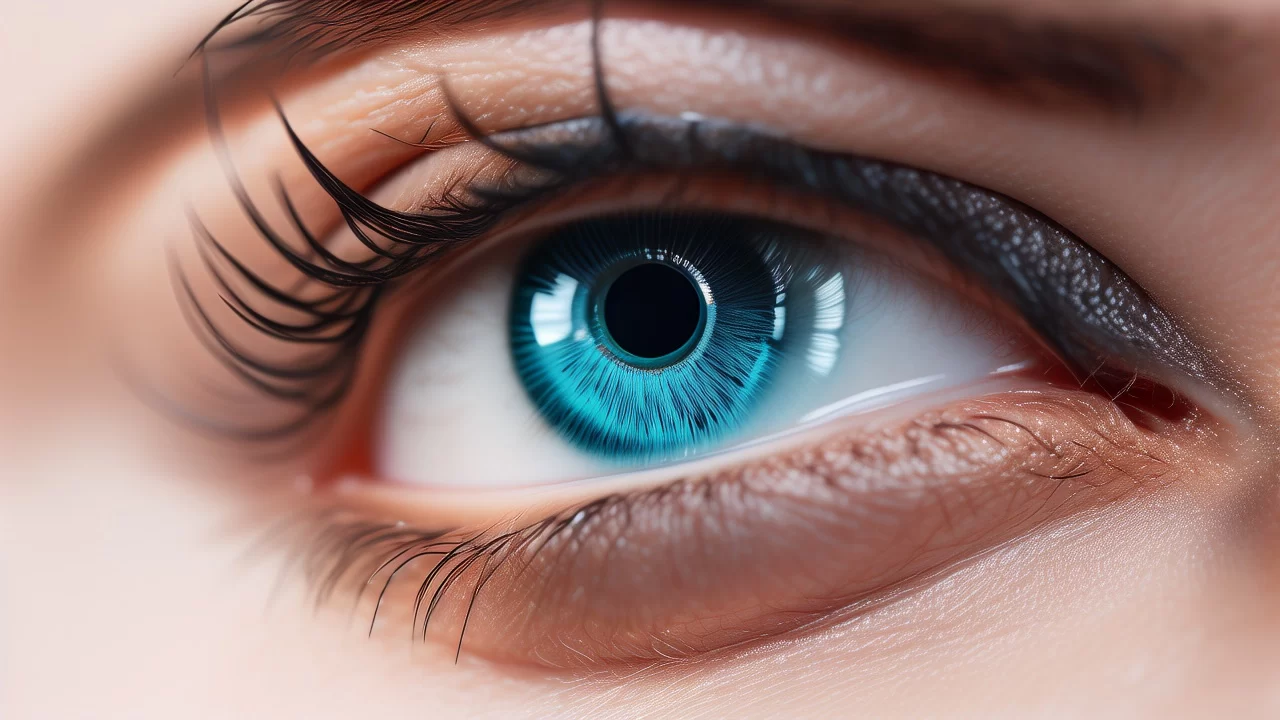
- Map the wearer’s iris in real time through a phone camera, detecting the iris boundary, pupil size and lighting conditions
- Overlay the lens color and pattern onto the user’s actual eye, blending with their natural eye color the way a real lens would
- Adjust dynamically as the user moves, blinks or changes angle, so the preview behaves like a real lens rather than a sticker
The best implementations account for the thing that matters most: how a colored lens looks depends heavily on the wearer’s natural eye color. A honey-brown lens looks completely different on dark brown eyes than on light green eyes. Good try-on tech simulates that interaction, which is exactly the question buyers are desperate to answer.
Why This Is Transforming the Purchase Decision
It removes the biggest objection to buying colored lenses online. “Will this look good on ME?” has always been the question that kills conversion. Try-on answers it directly, and the data backs up the impact: brands that offer realistic try-on consistently report higher conversion rates and fewer returns.
It changes which colors sell. When customers can preview dozens of colors on their own face in seconds, they explore more — and they often end up choosing colors they’d never have picked from a catalog photo. Bold colors get fair trials; subtle colors get appreciated for their natural effect. Try-on doesn’t just move existing demand — it expands it.
It raises the bar for product photography and design. A try-on preview only works well if the underlying lens pattern is well-designed and well-photographed. Sloppy patterns look worse in interactive previews, not better. The technology rewards quality design, which is good news for brands that invest in it.
Where the Technology Lives Today
Try-on is showing up in several places, and each matters differently for the industry:
Social platforms. TikTok and Instagram filters give consumers a casual, entertaining way to preview lens looks — often driving discovery even when the filter isn’t from a lens brand itself. This is top-of-funnel awareness: users play, save, share, and the category gets exposure.
Brand webshops and apps. Dedicated try-on on product pages is the conversion driver. Shoppers preview, compare and buy in one flow. The leading colored lens brands globally have made this a centerpiece of their online stores.
Retailer and marketplace tools. Some marketplaces and optical retailers are adding try-on to their own platforms, letting shoppers compare lenses across brands — which intensifies the need for your products to look their best in preview.
What This Means for Wholesalers and New Brands
If you’re on the supply side of this business, virtual try-on has practical implications:
1. Design quality is more visible than ever. In a try-on preview, dot-matrix patterns, limbal ring softness and color blending are all on display. Products with genuine design depth will look better in previews than flat, cheap designs. This favors working with manufacturers who take pattern design seriously.
2. Your product assets need to support it. Try-on systems need high-quality images of the lens pattern to render realistically. If your brand only has low-resolution marketing photos, any try-on experience will look poor. Invest in proper lens photography.
3. Try-on content is marketing content. Short videos of real people previewing colors — “watch me try 5 colors on my dark eyes” — are among the highest-performing content formats on social platforms right now. They’re authentic, useful and shareable. Brands that build this content pipeline win attention.
4. The data is valuable. Try-on interactions reveal which colors customers test most, which they abandon, and which they buy. Brands that track this can plan color ranges based on real interest rather than guesswork.
The Honest Limitations
Try-on isn’t perfect yet. Screen lighting varies, camera quality varies, and no simulation captures exactly how a lens moves and reflects light on a real eye. The best brands treat try-on as a confidence-builder, not a guarantee, and still encourage realistic expectations.
But the direction is unmistakable: the purchase journey for colored lenses is becoming interactive, personalized and visual-first. The gap between brands offering this experience and brands selling from static catalog photos is widening every year.
The Bottom Line
AI virtual try-on is doing for colored contact lenses what virtual makeup did for cosmetics: turning a blind purchase into an informed, engaging one. It lifts conversion, reduces returns, and rewards well-designed products.
For new brands entering the market, the lesson is clear — choose lens designs that look good in interactive previews, invest in quality product imagery, and build try-on into your customer journey as early as your platform allows.
We design our colored lens patterns with high-resolution digital assets suitable for try-on integration. Contact sales@miomicon.com to see sample designs and digital assets.