The Evolution of Cast-Molding: Engineering the Perfect Lens Edge
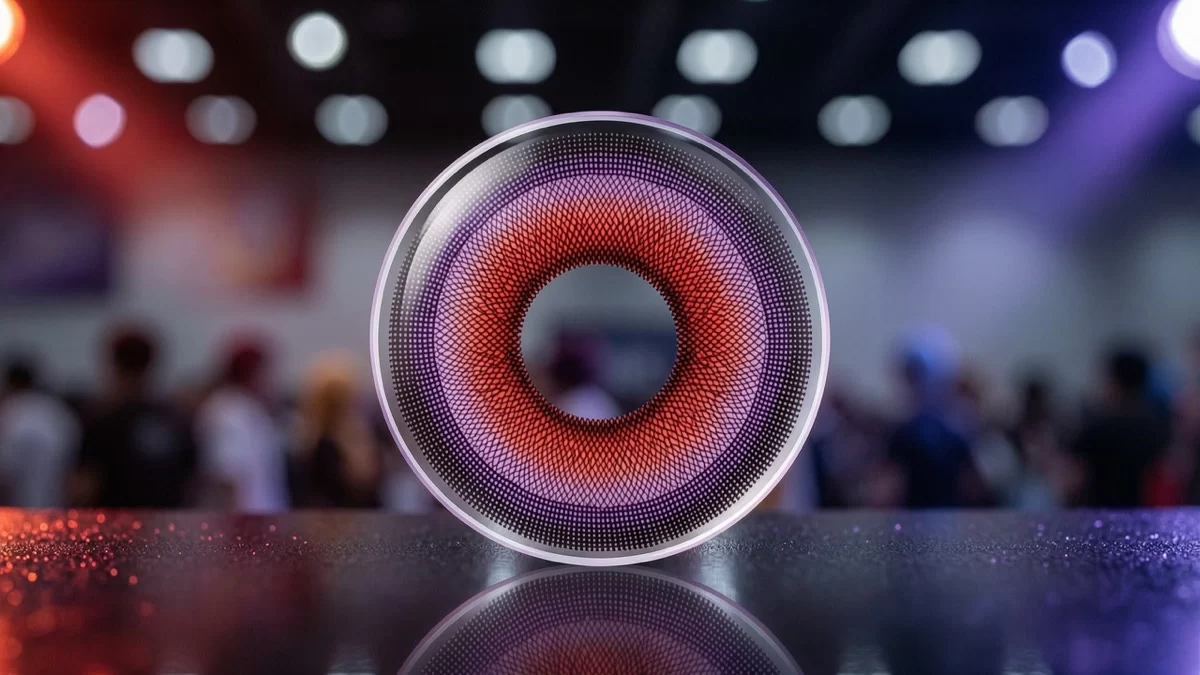
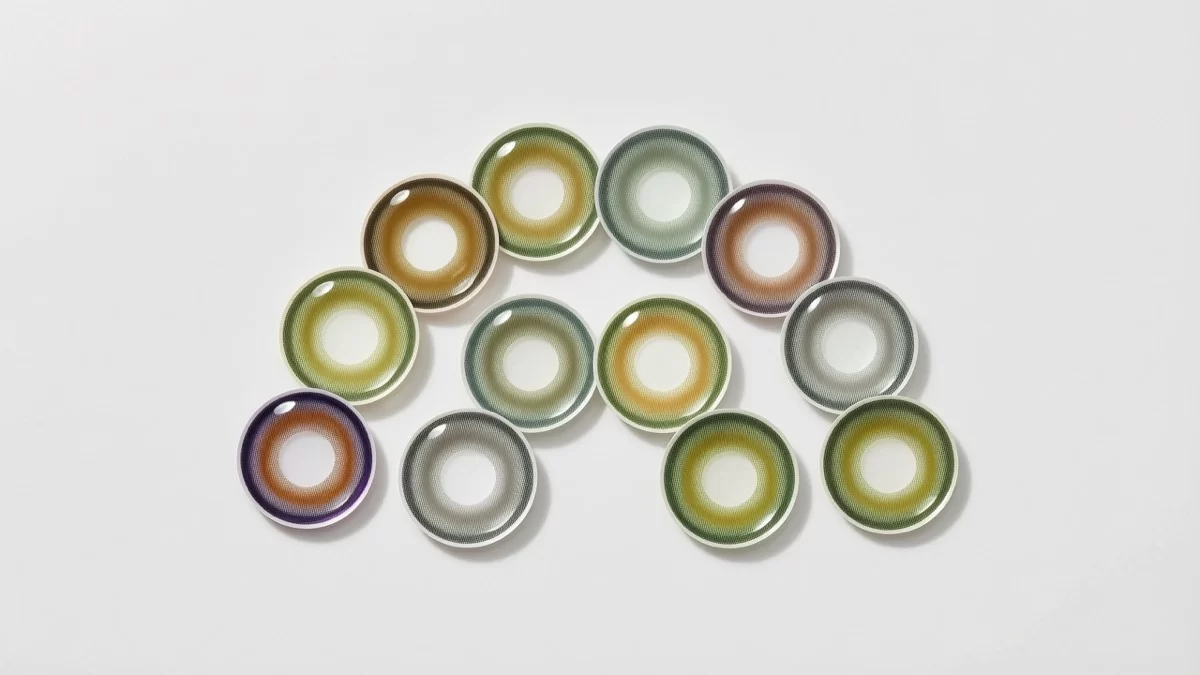
In the world of contact lens manufacturing, the difference between a lens that “feels like nothing” and one that causes irritation lies in the sub-micron details of the lens edge. While many factories still rely on traditional methods, our facility has pioneered an advanced Automated Cast-Molding System that redefines the wearer experience.
1. The Physics of Comfort: Edge Design
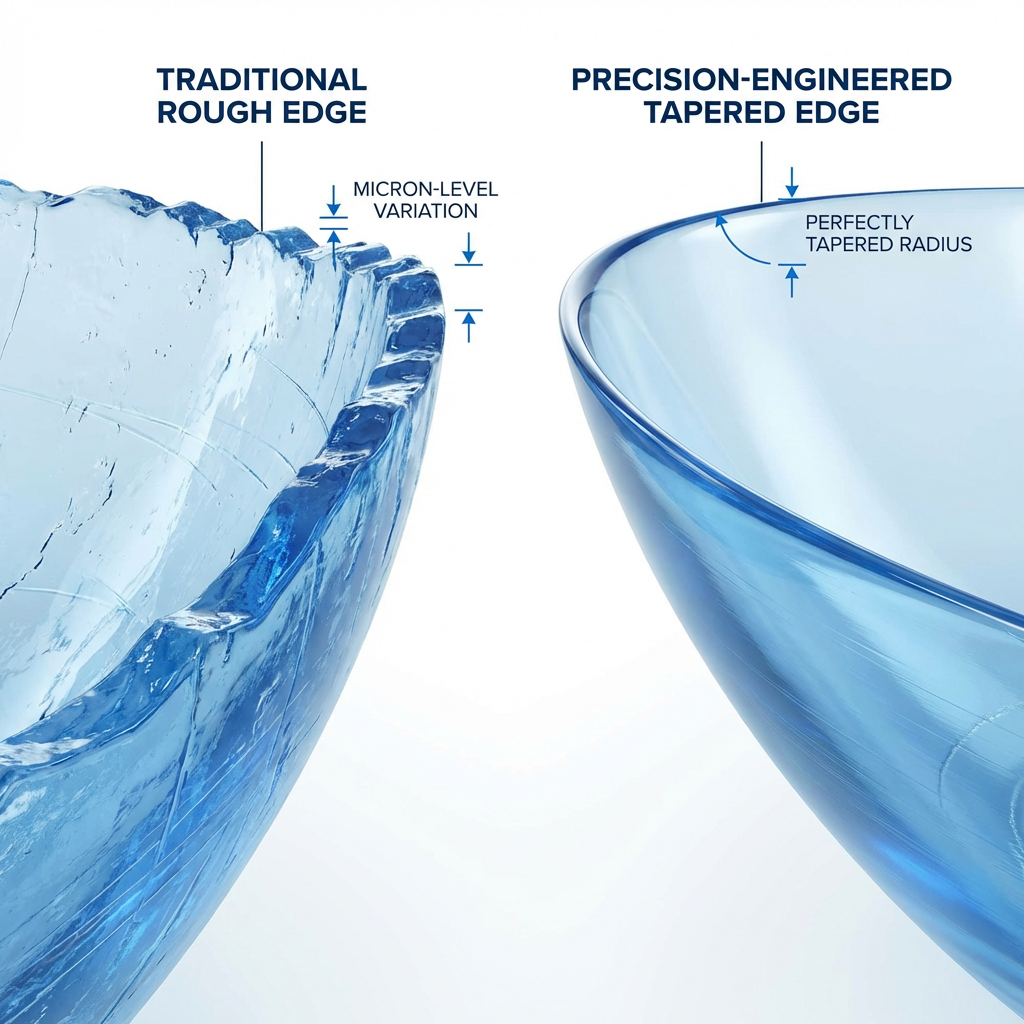
The edge of a contact lens is the primary point of contact with the eyelid. A traditional “lathe-cut” lens often leaves microscopic ridges that cause friction.
2. Full Automation vs. Semi-Manual Production
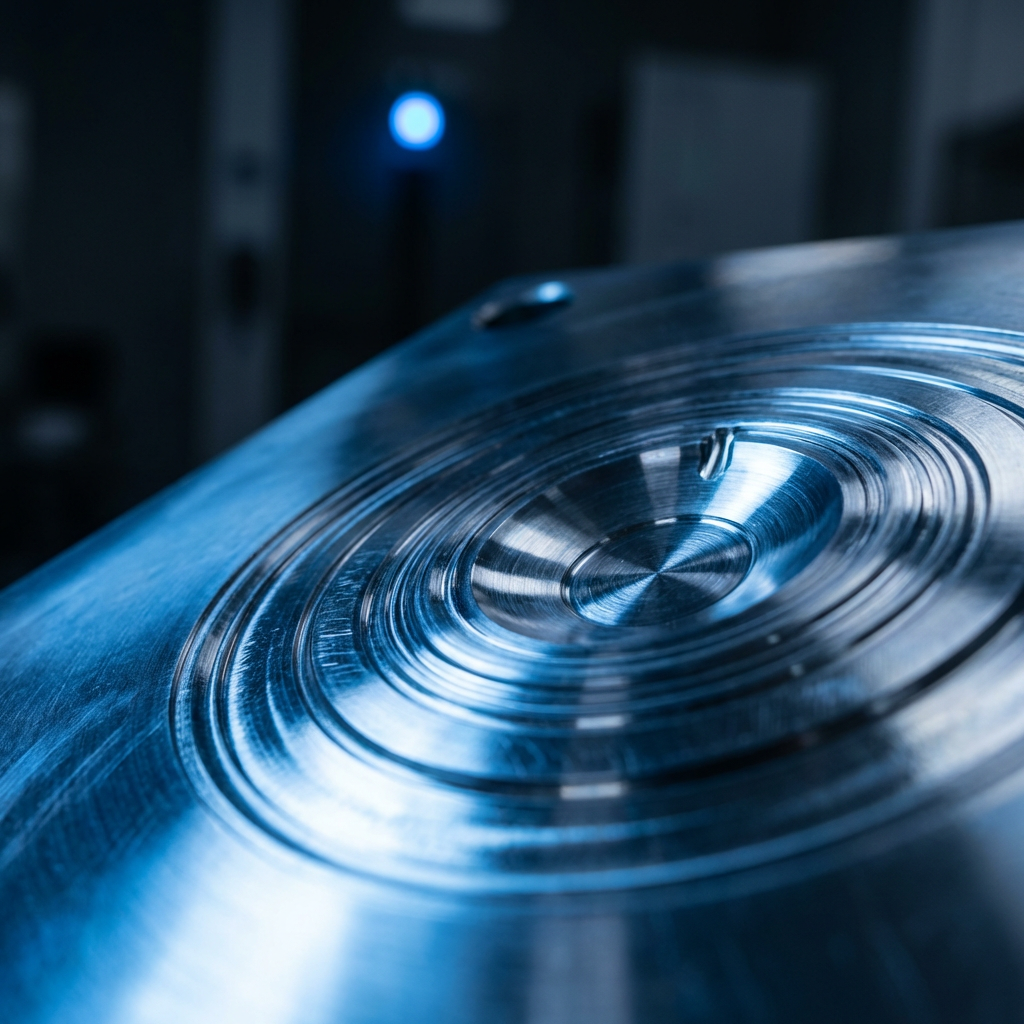
Inconsistency is the enemy of a global brand. Manual intervention in the curing or hydration stages can lead to variations in base curve and power.
3. Material Science: Optimized Oxygen Permeability
Beyond the shape, the material’s ability to “breathe” is vital. We use proprietary HEMA-based copolymers that balance high water content with structural integrity. This ensures the lens remains hydrated throughout a 12-hour wear cycle, preventing the dry-eye symptoms that plague many cosmetic lens wearers.