The contact lens space feels crowded. It’s not.
I talk to entrepreneurs every week who want to launch a color contact lens brand. Almost all of them open with the same worry: “But isn’t the market already saturated?”
It’s a fair concern. Scroll through Instagram or TikTok and you’ll see dozens of lens brands competing for attention. But here’s what those scrolling posts don’t show — the vast majority of these brands are run by small teams ordering from the same handful of manufacturers in South Korea and China. The barrier to entry looks high because people don’t know where to start. Once you understand the OEM process, it gets a lot clearer.
This guide walks through what it actually takes to launch a contact lens brand in 2026 — the realistic costs, the timelines, the mistakes to avoid, and why starting smaller than you think might be the smartest move you make.
OEM vs. ODM — and why most brands start with ODM
Let’s clear up the terminology first, because people use these interchangeably when they shouldn’t.
OEM (Original Equipment Manufacturer) means the factory produces lenses to your exact specifications — your chosen parameters, materials, packaging design, and quality standards. You own the product design. Think of it like building a house from your own blueprints.
ODM (Original Design Manufacturer) means the factory already has proven designs and product lines. You pick from existing options, apply your branding and packaging, and you’re in business. This is closer to moving into a furnished apartment.
Most first-time lens brands start with ODM, and there’s nothing wrong with that. It means lower minimum order quantities, faster time to market, and the ability to test your market before investing in full custom tooling. Once you know which parameters your customers love, you can transition to OEM for your next production run.
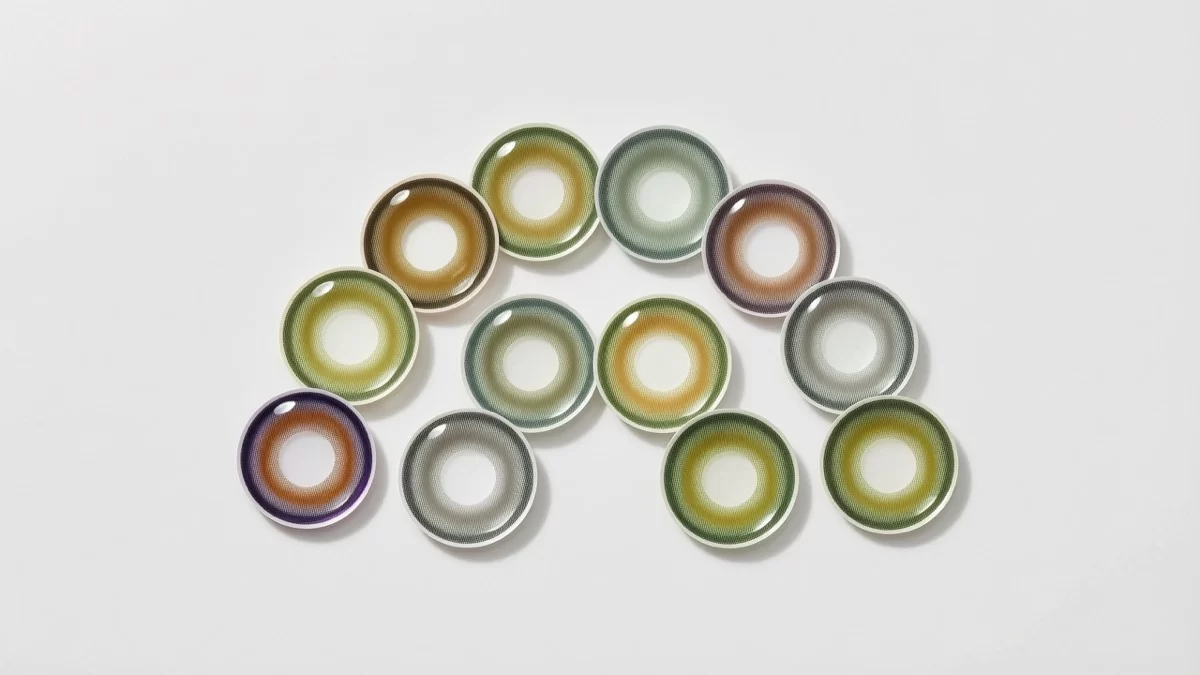
I’ve seen brands launch with an ODM catalog of 12 lens designs, validate 3-4 winners through actual sales, and then invest in OEM versions of those winners with tweaked parameters. That path costs less and carries less risk than going full custom on day one.
What you actually need to get started
Forget the generic startup advice about business plans and brand guidelines. Here’s what matters operationally:
A registered business entity. You’ll need this for import/export documentation, payment processing, and — depending on your market — product registration. An LLC or equivalent works for most markets.
Market registration or certification awareness. This is where a lot of founders get blindsided. Europe requires CE marking (under the MDR regulation). The US requires FDA registration. South Korea needs KFDA approval. Southeast Asian markets vary — some require local health ministry registration, others are more flexible. You need to know your target market’s requirements before placing your first order, not after it arrives at customs.
A reliable manufacturer relationship. This matters more than most people realize. A good manufacturer doesn’t just produce lenses — they help you navigate certification requirements, advise on parameter selection for your target market, and maintain consistent quality across production runs. If your factory can’t answer basic regulatory questions, that’s a red flag.
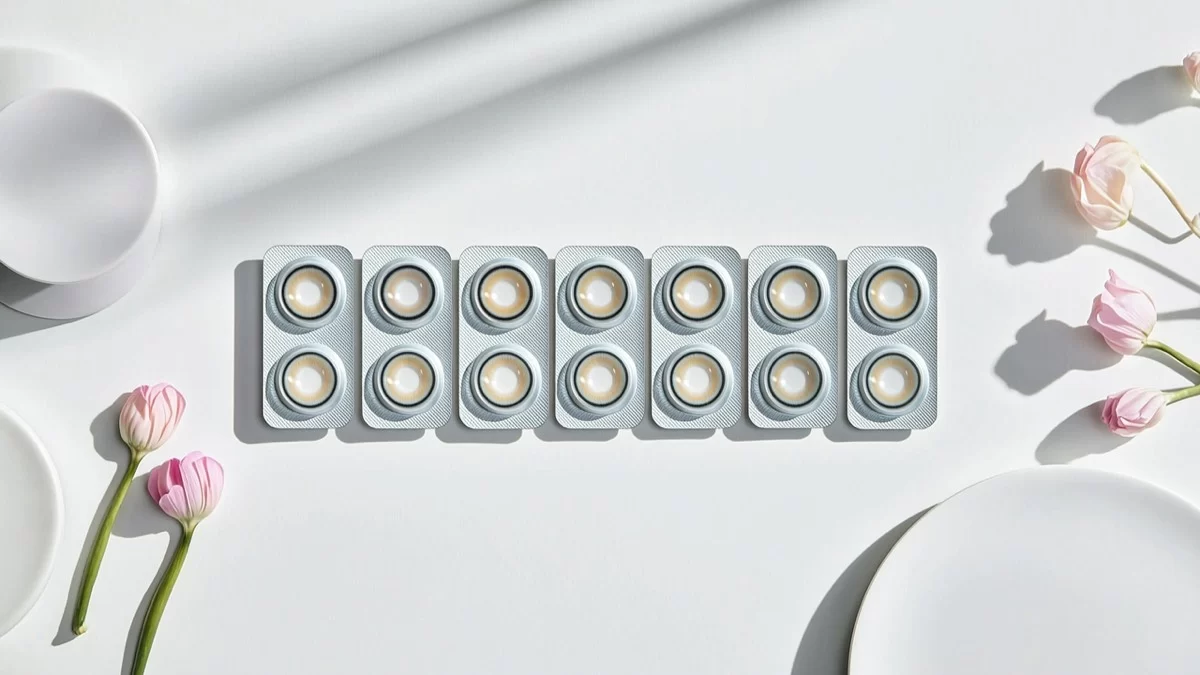
Packaging design. Your boxes, blister packs, and instruction leaflets are where your brand lives. Even with ODM lenses, custom packaging is usually expected at a minimum. Most manufacturers offer packaging design support as part of their service.
Realistic numbers: what does it cost?
I’ve been asked this question probably a hundred times, and the answer always frustrates people who want a single number. So here’s a range, broken down honestly.
ODM route (small batch): You’re looking at roughly $1,500 to $5,000 USD for a first order, depending on how many designs you include, your packaging requirements, and the volumes per SKU. MOQ per design can be as low as 300-500 pairs with the right manufacturer. This is the entry point for most indie brands.
OEM route (full custom): Now we’re talking $5,000 to $20,000+ depending on complexity. Custom parameters require new mold tooling. Custom packaging design and printing add cost. Certification testing (CE, FDA) adds more if you’re entering regulated markets. But the per-unit cost drops significantly at higher volumes.
Hidden costs people forget: Shipping and import duties (varies by country), product photography for your website, marketing budget (you need visibility to sell), potential product liability insurance (recommended in most markets), and sample testing before full production.
The brands that succeed aren’t the ones that spend the most upfront. They’re the ones that start lean, validate demand with real customers, and scale their orders based on actual sales data.
The timeline — from inquiry to first sale
Here’s a realistic production timeline most founders don’t plan for:
Week 1-2: Initial consultation with manufacturer, product selection (ODM) or specification finalization (OEM). This includes discussing your target market, price point, and which lens designs fit your brand positioning.
Week 3-4: Sample production and shipping. You receive physical samples to evaluate quality, color rendering, and packaging. This is the stage where you make adjustments.
Week 5-6: Sample approval and production order placement. Factory begins full production run. Stock items can ship in about 7 days. Custom orders typically take around 20 days from order confirmation.
Week 7-10: Shipping, customs clearance, and delivery to your warehouse. International freight adds 1-3 weeks depending on your location and chosen shipping method.
So from first conversation to lenses in your hands — plan on 8 to 12 weeks for a first ODM order. OEM with full custom specs can run 12 to 16 weeks. Don’t promise delivery dates to pre-order customers until you’ve completed at least one production cycle.
Common mistakes I see (and how to avoid them)
Ordering too many SKUs upfront. I’ve seen founders order 24 different lens designs in their first run, only to find that 3 of them generate 80% of sales. Start with 6-8 designs. Let customer data tell you what to expand.
Ignoring the certification question. If you plan to sell in Europe or the US, certification isn’t optional. Work with manufacturers who already have CE or FDA documentation. Starting from scratch on certification will add months and thousands of dollars to your timeline.
Competing on price instead of brand. The cheapest lenses don’t win. The brands with a story, consistent quality, and customer trust win. If your entire pitch is “we’re cheaper than X,” you’ll be undercut by someone cheaper than you within a year. Build something people choose because of who you are, not because of what you cost.
Skipping the sample stage. Never approve a production order without reviewing physical samples first. Color rendering on screen looks nothing like reality. Lens comfort is impossible to judge from a spec sheet. The sample stage exists for a reason.
When you’re ready to move forward
Starting a contact lens brand isn’t easy, but it’s more accessible than most people assume. The manufacturing infrastructure exists. The certification pathways are well-documented. The real question isn’t whether you can do it — it’s whether you’re willing to put in the work to build something that stands for more than a logo on a generic product.
If you’re exploring OEM or ODM options for a new brand, we work with businesses across Southeast Asia, the Middle East, Europe, and North America. Our factory handles everything from sample development to certified production. Whether you need 500 pairs to test a market or 50,000 for a full launch, we’ll help you figure out the right path.
Reach out at sales@miomicon.com and tell us about your vision. We’ll handle the rest.