If you’re in the colored contact lens business — whether you’re a wholesaler, a brand owner, or someone thinking about launching your own line — you already know this industry moves fast. What was trendy last year might already feel dated today. New materials pop up. Consumer preferences shift. Regulations evolve.
After working with dozens of brands across Southeast Asia, the Middle East, Europe, and North America, I’ve noticed some clear patterns emerging in 2026. These aren’t just random observations — they’re shifts we’re seeing in real-time through our OEM/ODM partnerships and direct market feedback.
In this article, I want to walk you through the five biggest trends shaping the colored contact lens industry right now. More importantly, I’ll break down what each trend actually means for your business and how you can position yourself ahead of the curve.
Trend 1: The “My Eyes But Better” Movement Is Taking Over
Let’s start with the most visible shift — literally.
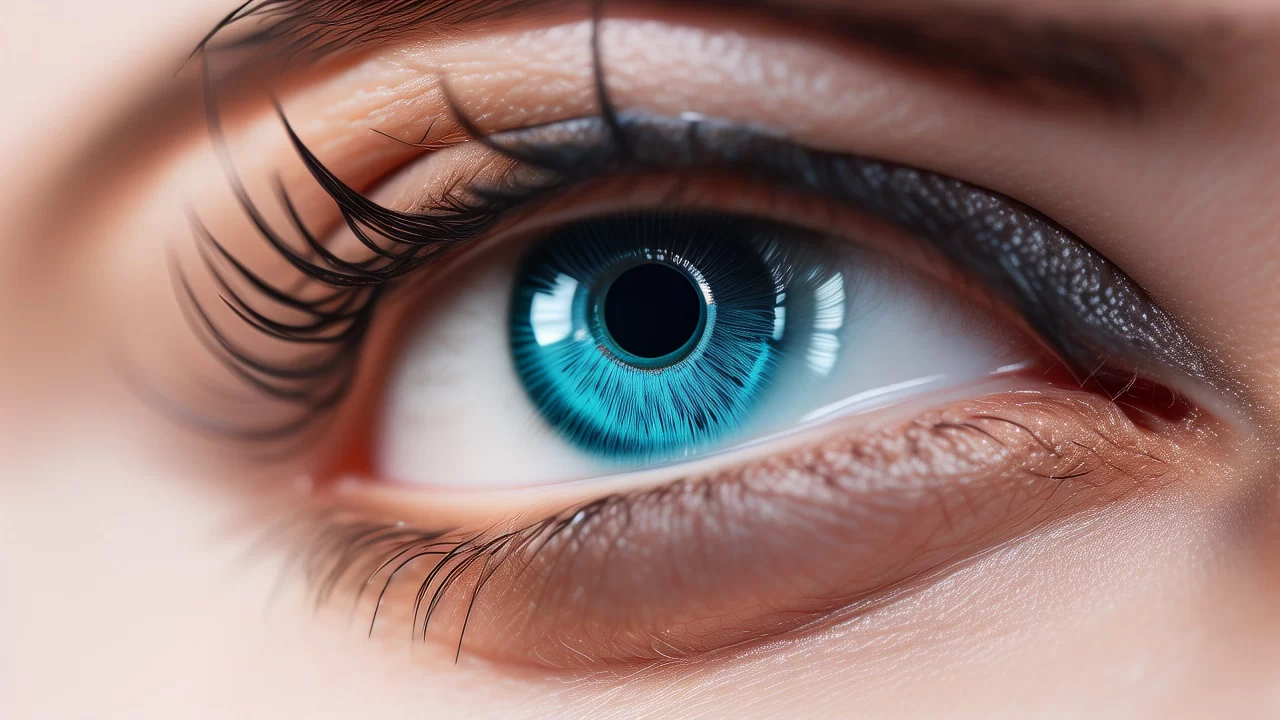
For years, the colored contact lens market was dominated by bold, dramatic looks. Think bright blues, vivid greens, oversized circle lenses that make your eyes look twice their natural size. Those styles still have their audience, especially in certain Asian markets where the “anime eye” aesthetic has been popular for a long time.
But here’s what’s changing: natural-looking lenses are now the fastest-growing segment globally.
Customers aren’t just buying colored contacts for costumes or special occasions anymore. They’re wearing them every day — to work, to class, to coffee dates. They want lenses that enhance their natural eye color without screaming “I’m wearing colored contacts.”
This “my eyes but better” philosophy is driving demand for:
- Neutral, earthy tones — warm browns, soft hazels, muted grays
- Realistic iris patterns — multi-layer designs that mimic the texture of a real iris
- Smaller diameters — 14.0mm to 14.2mm instead of the 14.5mm+ circle lenses
- Limbal ring variations — soft or no limbal rings for a more natural look
What this means for your brand: If your product line is still heavy on bold, dramatic colors, it’s probably time to add a natural collection. The sweet spot right now is a line with 8-12 natural shades that work across different skin tones and ethnicities. We’ve seen brands that launched natural collections in the past year see 30-40% of their total revenue come from those SKUs alone.
Trend 2: Sustainability Is No Longer a Buzzword — It’s a Buying Factor
I’ll be honest. A couple of years ago, when a client would ask about “eco-friendly contact lenses,” I’d smile and nod but secretly think it was a niche concern.
Not anymore.
Sustainability has gone from a nice-to-have to a genuine purchase driver — especially in European and North American markets. Gen Z and millennial consumers, who make up the bulk of colored contact lens buyers, genuinely care about the environmental impact of the products they use.
And let’s face it: the contact lens industry has a waste problem. Billions of lenses end up in landfills and waterways every year. Most are made from materials that don’t break down easily.
The brands that are getting ahead here are taking real steps:
- Recyclable packaging — switching from plastic blister packs to paper-based or compostable packaging
- Biodegradable materials — investing in lens materials that break down faster in the environment
- Take-back programs — setting up systems for customers to return used lenses
- Transparent supply chains — sharing where and how lenses are manufactured
What this means for your brand: You don’t need to completely overhaul your operation tomorrow. But you should start thinking about your sustainability story. Even small changes — like switching to recyclable packaging or offering a recycling program — can resonate deeply with eco-conscious consumers. And if you’re marketing in Europe or North America, this isn’t optional for much longer. Regulatory pressure around plastic waste is only going to increase.
Trend 3: Prescription Colored Lenses Are Finally Getting Their Moment
Here’s a trend that surprises a lot of people: prescription colored contact lenses are booming.
For years, colored contacts were mostly seen as a cosmetic product — something you wore for fun, not for vision correction. If you needed prescription lenses, you got clear ones. If you wanted color, you got plano (zero power) and wore glasses underneath.
That divide is disappearing fast.
More and more people who wear prescription lenses are discovering that they don’t have to choose between clear vision and eye color. And the technology has caught up — modern colored prescription lenses offer the same optical quality as clear prescription lenses, with the color layer safely encapsulated using sandwich technology.
We’re seeing this across markets, but it’s particularly strong in:
- The United States — where contact lens wearers are used to premium pricing and value convenience
- Europe — especially the UK, Germany, and France
- Southeast Asia — where myopia rates are extremely high and colored lenses are popular
What this means for your brand: If you only stock plano colored lenses, you’re leaving a huge chunk of the market on the table. Adding prescription options — even just the most common powers like -1.00 to -6.00 — can significantly expand your customer base. Yes, inventory management gets more complex. But the data we’re seeing from our partners suggests prescription buyers are also more loyal and have higher lifetime value. They’re not just buying on trend — they’re buying because they genuinely need the product.
Trend 4: Direct-to-Consumer Is Reshaping the Distribution Landscape
The traditional distribution model for colored contact lenses looked something like this: factory → distributor → wholesaler → retailer → customer. Each layer added cost, and the final price was often 5-10x the manufacturing cost.
That model is being turned upside down.
Social media and e-commerce have made it possible for brands to sell directly to consumers, cutting out multiple middlemen. And customers are loving it — they get better prices, more choices, and a direct relationship with the brand.
Platforms like TikTok and Instagram have been game-changers. A 15-second video showing how a lens looks on a real eye can go viral and drive thousands of dollars in sales within hours. Influencer marketing, once a nice-to-have, is now a core customer acquisition channel for DTC brands.
But here’s the thing I tell every brand considering DTC: it’s not as easy as it looks.
Running a DTC colored contact lens business means handling:
- Regulatory compliance — different rules in every country
- Customer service — handling fitting questions, return requests, complaints
- Inventory management — stocking every power and color combination
- Shipping and logistics — getting lenses to customers quickly and cheaply
- Payment processing — dealing with chargebacks and fraud
What this means for your brand: DTC isn’t the only path, and it’s not necessarily the right path for everyone. Some brands thrive on DTC. Others do better building relationships with optometry clinics, beauty retailers, or online marketplaces. The key is understanding where your customers are and meeting them there. And if you do go DTC, make sure you have the operational capacity to back it up — there’s nothing worse than a viral moment you can’t fulfill.
Trend 5: Safety and Transparency Are Becoming Non-Negotiable
Last but definitely not least: consumers are more concerned about eye safety than ever before.
High-profile news stories about eye infections, corneal damage, and other problems from poorly made contact lenses have made buyers much more cautious. They’re not just buying based on pretty packaging and Instagram photos anymore. They’re asking questions:
- Are these lenses FDA-approved?
- Do they have CE marking?
- What material are they made of?
- How long can I wear them safely?
- Where are they manufactured?
The brands that are winning trust are the ones that are transparent about their products. They list certifications prominently. They explain the technology behind their lenses. They educate their customers about proper lens care and wear schedules.
And this isn’t just about consumer preference — regulators are cracking down too. The FDA has been increasing enforcement against unapproved colored contact lenses sold online. European authorities under the MDR (Medical Device Regulation) are tightening requirements for contact lens manufacturers.
What this means for your brand: Cut corners on safety and you’ll eventually get burned — whether it’s by losing customers, facing regulatory action, or worse, someone getting hurt. Work with reputable manufacturers that have proper certifications. Be transparent about where your lenses come from. Educate your customers about safe lens wear. It might cost a little more upfront, but the trust you build is worth far more.
The Bottom Line
The colored contact lens industry is changing fast, but the fundamentals of a successful brand haven’t really changed:
1. Offer a quality product that people can trust 2. Understand your customers and give them what they actually want 3. Build a strong brand with a clear identity 4. Operate ethically and compliantly
The trends I’ve outlined here — natural looks, sustainability, prescription options, DTC, and safety transparency — are all opportunities. They’re not threats if you adapt early.
If you’re thinking about launching a colored contact lens brand, or if you already have one and want to take it to the next level, the time to act is now. The market is growing, consumers are more engaged than ever, and the brands that establish themselves now will be the ones leading the industry in the years ahead.
At MIOMI, we work with brands at every stage — from first-time entrepreneurs launching their first collection to established wholesalers expanding their product lines. If you have questions about any of these trends or want to discuss how they apply to your specific situation, feel free to reach out. We’re always happy to share what we’re seeing in the market.
Here’s to a successful 2026.