The Evolution of Color Contacts: From Fashion Accessory to Essential Beauty Product
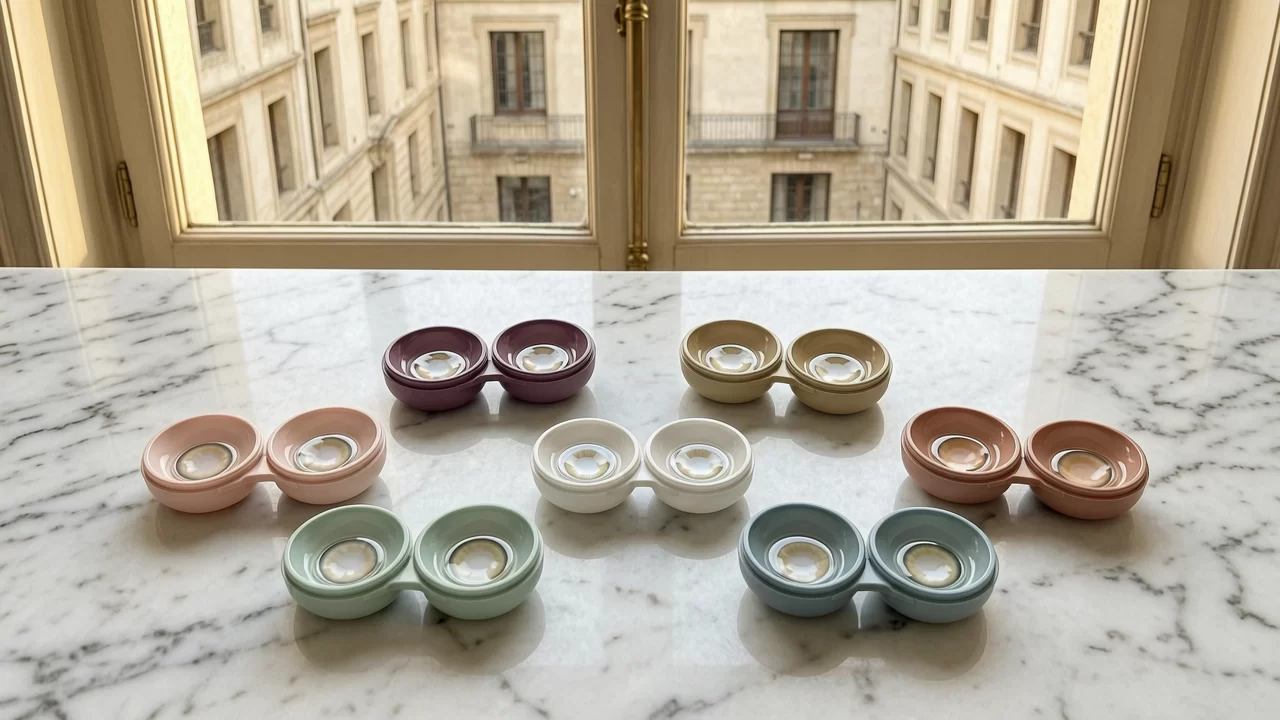
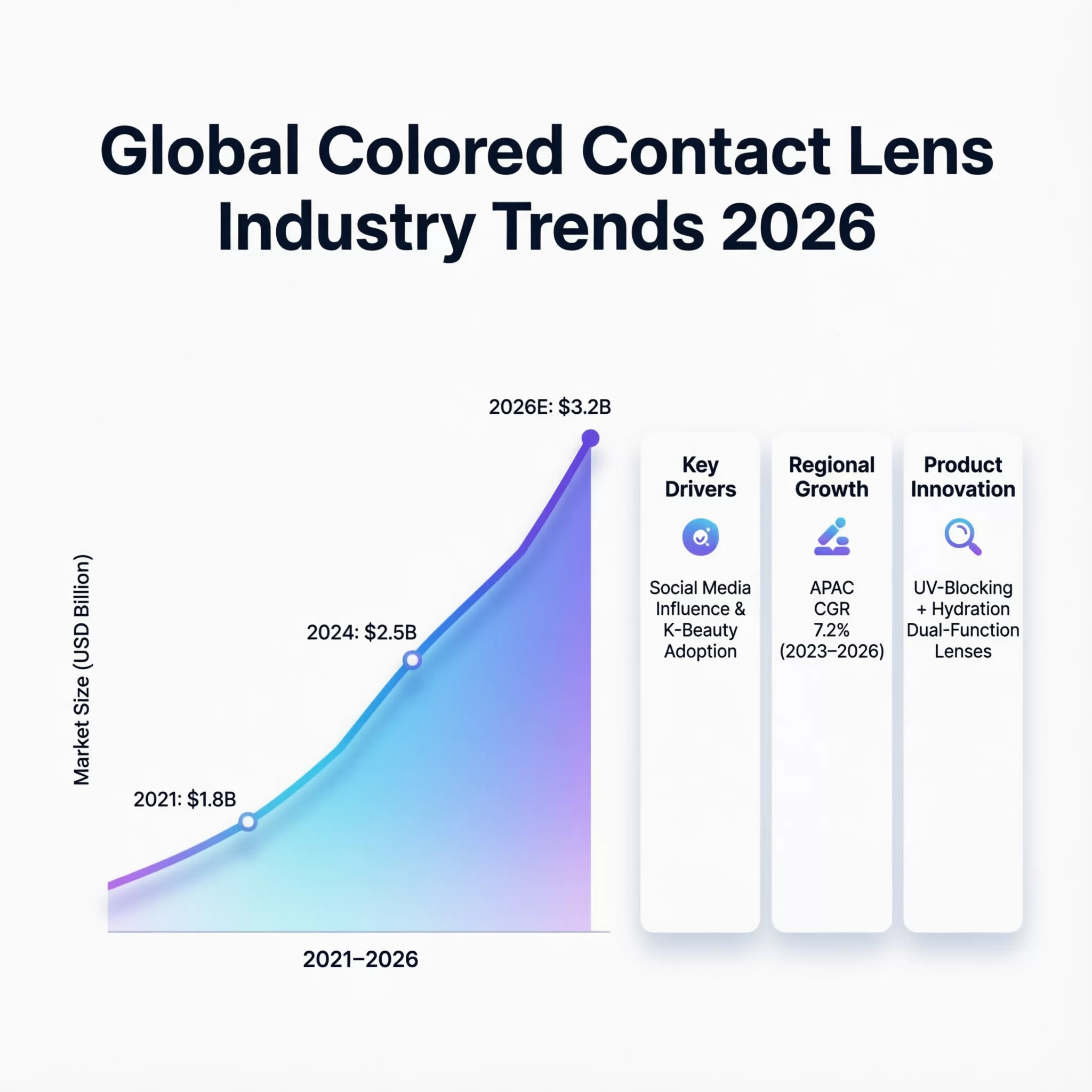
When I first entered the contact lens industry a decade ago, colored contacts were primarily seen as a niche fashion accessory — something worn for special occasions or Halloween parties. Fast forward to 2026, and they’ve become a mainstream beauty product, with millions of people wearing them daily to enhance their natural eye color or experiment with bold new looks.
This shift isn’t just about changing fashion trends — it’s a reflection of deeper consumer behavior changes, technological advancements, and regulatory developments that are reshaping the entire industry. For B2B brands, wholesalers, and retailers operating in this space, understanding these trends is critical to staying competitive and capitalizing on new opportunities.
1. The Clean Beauty Revolution is Reaching Contacts
One of the most significant trends we’re seeing in 2026 is the demand for “clean” or “natural” contact lenses. Consumers — particularly younger demographics like Gen Z and millennials — are becoming more conscious about the products they put in and on their bodies, and this extends to their eye care products.
What This Means for B2B:
- Ingredient Transparency: Brands are being asked to provide detailed information about the materials used in their lenses
- Sustainable Materials: There’s growing interest in eco-friendly lens materials and packaging
- Certifications Matter: Certifications like “hypoallergenic” and “biodegradable” are becoming important selling points
- Regulatory Scrutiny: Expect more regulations around lens materials and manufacturing processes
For OEM/ODM partners, this presents an opportunity to differentiate themselves by developing innovative, sustainable lens materials that meet these new consumer demands.
2. Personalization is the New Standard
The days of one-size-fits-all colored contacts are numbered. In 2026, consumers are seeking personalized products that cater to their unique needs and preferences. This trend is being driven by advancements in digital technology and a desire for self-expression.
Key Developments:
- Custom Color Matching: Technology that allows consumers to match their contact lens color to their exact eye shade
- Personalized Prescription Lenses: Custom-made colored contacts with precise prescription values
- Print-on-Demand Lenses: Small-batch production of custom-designed lenses
- AI-Powered Recommendations: Virtual try-on tools that suggest colors based on facial features and skin tone
For B2B businesses, this means investing in technology that enables customization and small-batch production. It also requires a more agile supply chain that can respond quickly to changing consumer demands.
3. Direct-to-Consumer (D2C) is Changing the Distribution Landscape
While traditional retail channels still play an important role, D2C brands are rapidly gaining market share in the colored contact lens industry. These brands are leveraging social media, influencer marketing, and e-commerce platforms to reach consumers directly.
Impact on B2B:
- New Partnership Opportunities: D2C brands are looking for reliable OEM/ODM partners who can produce high-quality lenses at competitive prices
- Changing Retail Dynamics: Traditional retailers are adapting by investing in their own D2C channels
- Data-Driven Insights: D2C brands have direct access to consumer data, which allows them to better understand preferences and develop targeted products
- Brand Building: D2C brands are focusing on building strong relationships with consumers through personalized experiences and transparent communication
For B2B suppliers, this means developing partnerships with D2C brands and adapting to their unique requirements, such as fast turnaround times and small minimum order quantities.
4. Sustainability is No Longer Optional
Environmental sustainability has become a top priority for both consumers and businesses. The contact lens industry is facing increasing pressure to address its environmental impact, particularly around plastic waste.
Industry Responses:
- Recyclable Packaging: Brands are exploring innovative packaging solutions that reduce plastic waste
- Biodegradable Lenses: Research into lens materials that are more environmentally friendly
- Take-Back Programs: Initiatives to collect and recycle used contact lenses and packaging
- Carbon Footprint Reduction: Efforts to reduce the environmental impact of manufacturing and distribution processes
For B2B businesses, adopting sustainable practices isn’t just good for the environment — it’s also a competitive advantage. Consumers are increasingly choosing brands that demonstrate a commitment to sustainability.
5. Digital Marketing is Becoming More Sophisticated
Social media platforms like Instagram, TikTok, and Pinterest continue to be important marketing channels for colored contact lens brands. However, the way brands are using these platforms is becoming more sophisticated.
Trends to Watch:
- Short-Form Video Content: Platforms like TikTok are becoming the go-to place for product demonstrations and reviews
- Influencer Partnerships: Brands are working with micro-influencers who have highly engaged followings
- Virtual Try-On Technology: Augmented reality (AR) tools that allow consumers to try on lenses before they buy
- User-Generated Content: Encouraging customers to share their own photos and videos wearing the products
For B2B brands, this means investing in digital marketing capabilities and developing partnerships with influencers and content creators.
6. Regulatory Changes are Shaping the Market
The colored contact lens industry is heavily regulated, and we’re seeing several important regulatory changes in 2026. These changes are designed to protect consumers and ensure the safety of contact lenses.
Key Developments:
- Stricter Quality Standards: New regulations around lens manufacturing and testing
- Increased Scrutiny of Online Sales: Measures to prevent the sale of counterfeit or unsafe lenses online
- Mandatory Product Information: Requirements for more detailed product labeling and instructions
- International Harmonization: Efforts to align regulations across different countries and regions
For B2B businesses, staying up-to-date with regulatory changes is critical to avoid compliance issues and maintain market access.
7. Technological Advancements are Driving Innovation
Technology continues to play a key role in the evolution of the colored contact lens industry. From new manufacturing processes to advanced lens materials, technological advancements are driving innovation and improving product quality.
Latest Innovations:
- 3D Printing: The use of 3D printing technology to create custom-designed contact lenses
- Smart Lenses: Research into lenses that can monitor health conditions like glaucoma or diabetes
- Advanced Manufacturing Processes: New techniques that improve lens comfort and durability
- Digital Printing: High-resolution printing technology that allows for more detailed and vibrant lens designs
For OEM/ODM partners, investing in research and development is essential to staying at the forefront of technological innovation.
What These Trends Mean for Your Business
The colored contact lens industry is evolving rapidly, and B2B brands need to adapt to these changes to stay competitive. Here are some practical steps you can take:
1. Embrace Sustainability
- Invest in sustainable materials and packaging
- Implement recycling and waste reduction programs
- Communicate your sustainability efforts to customers
2. Focus on Personalization
- Invest in technology that enables customization
- Offer small minimum order quantities
- Develop personalized product recommendations
3. Strengthen Digital Capabilities
- Invest in e-commerce and digital marketing
- Develop partnerships with influencers and content creators
- Implement virtual try-on technology
4. Stay Ahead of Regulations
- Keep up-to-date with regulatory changes
- Ensure compliance with all relevant standards
- Invest in quality control and testing processes
5. Foster Innovation
- Invest in research and development
- Explore new technologies and manufacturing processes
- Stay informed about industry trends and developments
Final Thoughts
The colored contact lens industry is entering an exciting new phase of growth and innovation. While these trends present challenges, they also create opportunities for B2B brands that are willing to adapt and embrace change.
By focusing on sustainability, personalization, digital capabilities, and innovation, you can position your business for long-term success in this dynamic market.
– Author: Diana
Date: July 16, 2026
Category: Industry Trends
Tags: colored contact lenses, industry trends, B2B, sustainability, personalization, digital marketing