As we move further into 2026, the global contact lens industry is undergoing significant transformations driven by changing consumer preferences, technological advancements, and a growing emphasis on sustainability. For brand owners and wholesalers operating in this space, staying ahead of these trends is crucial for maintaining competitiveness and meeting the evolving needs of customers.
The Rise of Sustainable Contact Lenses
One of the most prominent trends shaping the industry in 2026 is the increasing demand for sustainable and eco-friendly contact lens products. Consumers, particularly in Western markets, are becoming more environmentally conscious and are actively seeking products that minimize their carbon footprint.
Biodegradable Materials
Manufacturers are investing heavily in research and development of biodegradable contact lens materials. Traditional contact lenses are typically made from plastics that can take hundreds of years to decompose. In response, companies are exploring plant-based materials, such as cellulose derivatives and corn-based polymers, that break down naturally within a few months.
Recyclable Packaging
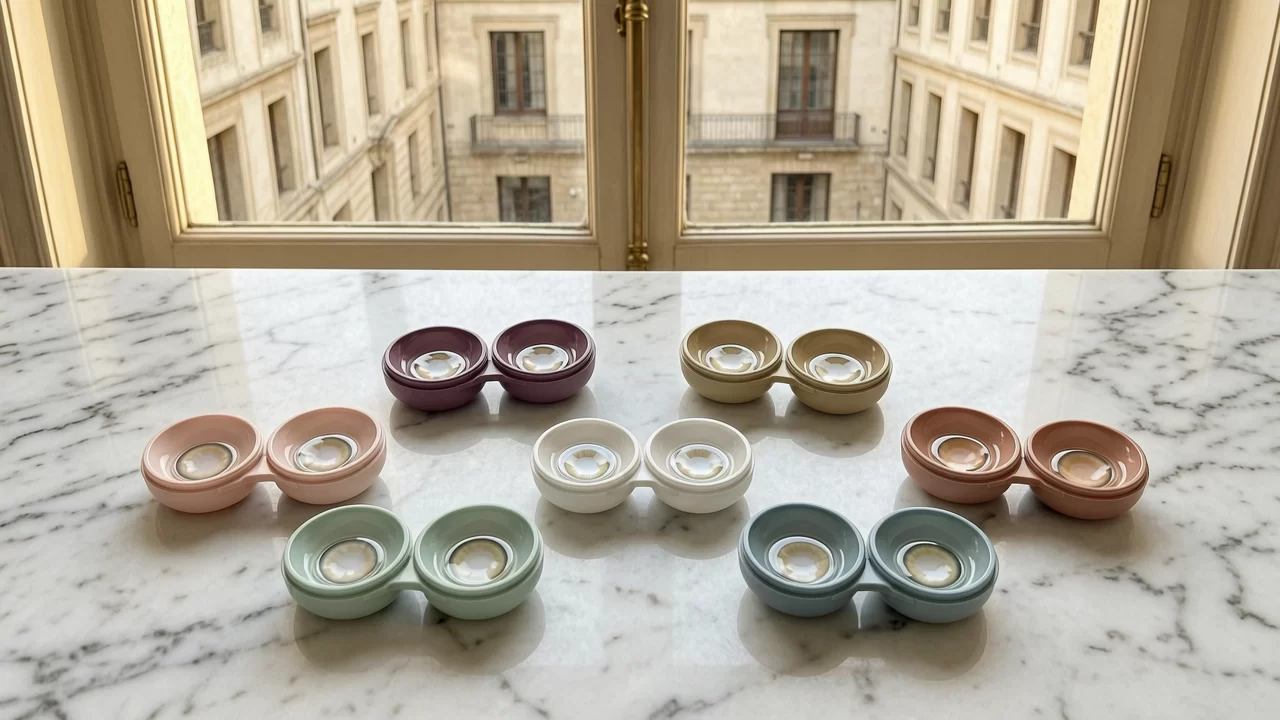
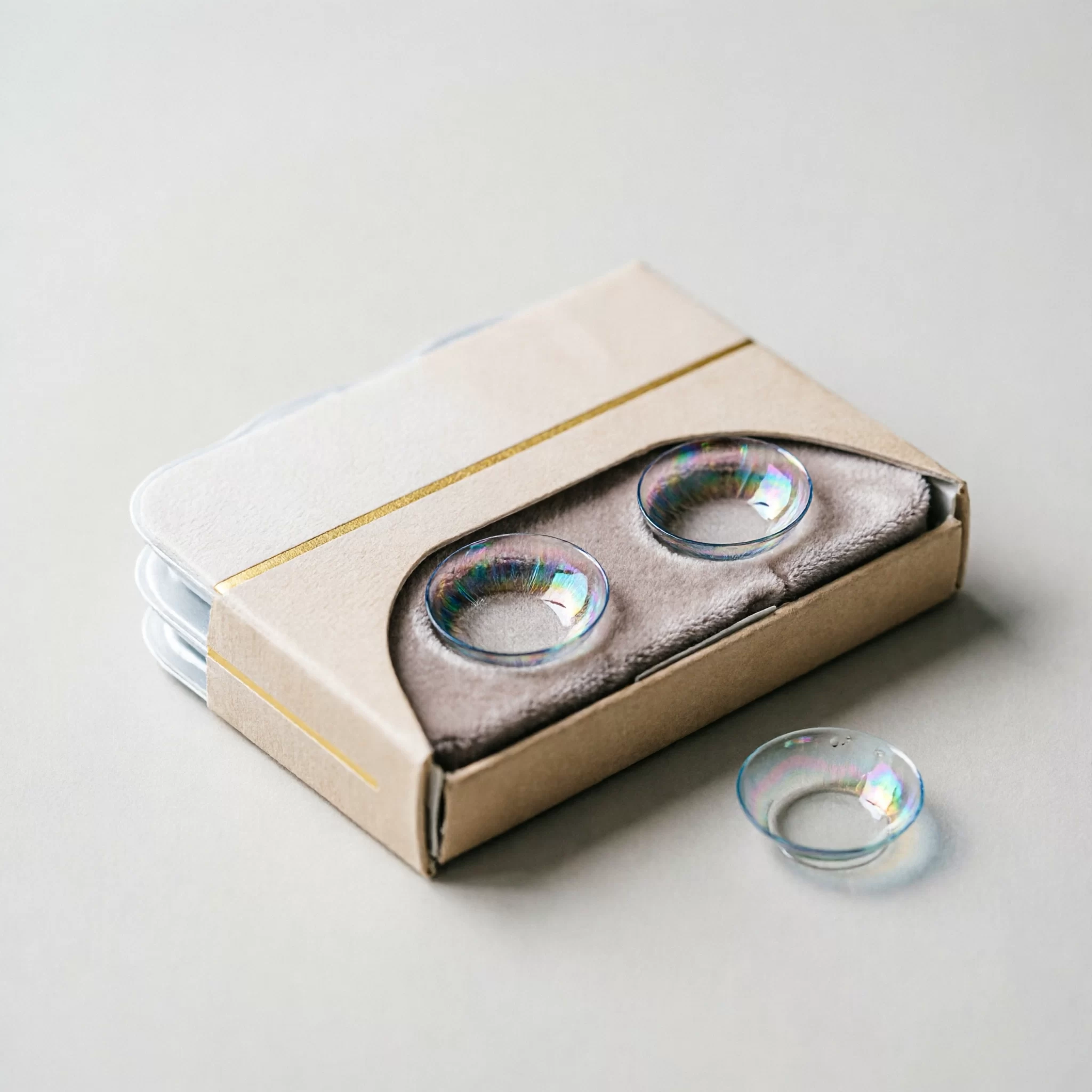
Another focus area is packaging. Many brands are shifting away from single-use plastic packaging in favor of recyclable or compostable alternatives. Some are even introducing refillable lens cases to further reduce waste. This not only appeals to environmentally conscious consumers but also helps brands differentiate themselves in a crowded market.
Carbon Neutral Production
Several leading manufacturers are also committing to carbon neutral production processes. This involves reducing greenhouse gas emissions through energy efficiency improvements, renewable energy adoption, and carbon offset programs. Brands that can demonstrate their environmental credentials are likely to gain a competitive advantage.
Technological Innovations in Contact Lenses
Technology continues to play a transformative role in the contact lens industry. From smart lenses to advanced manufacturing techniques, innovations are improving product performance and enhancing the user experience.
Smart Contact Lenses
Smart contact lenses, once a futuristic concept, are now becoming a reality. These lenses are embedded with microelectronics that can monitor various health metrics, such as glucose levels, intraocular pressure, and even hydration status. While primarily developed for medical applications, smart lenses are also finding uses in consumer products, such as augmented reality and fitness tracking.
Customization Through 3D Printing
3D printing technology is revolutionizing the way contact lenses are manufactured. This technique allows for highly customized lenses that are tailored to the exact specifications of each individual’s eye. This not only improves comfort but also enhances visual acuity. Additionally, 3D printing enables small-batch production, which is ideal for niche markets and custom designs.
AI-Powered Fitting
Artificial intelligence is being used to improve the contact lens fitting process. AI algorithms can analyze eye scans and other data to recommend the perfect lens parameters for each patient. This not only reduces the time and cost associated with traditional fitting methods but also increases accuracy and patient satisfaction.
Changing Consumer Preferences
Consumer preferences are also evolving, driven by factors such as increased awareness of eye health, changing lifestyles, and social media influence.
Demand for Multifunctional Lenses
Consumers are increasingly seeking contact lenses that offer multiple benefits. For example, lenses that provide UV protection, blue light filtering, and hydration all in one. This trend is particularly strong among digital natives who spend long hours in front of screens.
Growth of Color Contact Lenses
Color contact lenses continue to grow in popularity, especially among younger consumers. These lenses are not only used for cosmetic purposes but also to correct vision. With advancements in technology, color lenses now offer more natural-looking colors and improved comfort.
Emphasis on Eye Health
There is also a growing emphasis on eye health. Consumers are becoming more aware of the potential risks associated with contact lens use, such as dry eyes and infections. As a result, they are seeking products that are designed to promote eye health, such as lenses with high oxygen permeability and hydration properties.
Market Dynamics and Opportunities
The global contact lens market is expected to continue growing in 2026, driven by factors such as population growth, increasing prevalence of vision problems, and rising disposable income in emerging markets.
Emerging Markets
Emerging markets, such as Southeast Asia, Latin America, and Africa, are expected to be key growth drivers. These regions have large populations with relatively low penetration rates of contact lenses, providing significant opportunities for expansion. However, entering these markets requires a deep understanding of local consumer preferences and regulatory environments.
E-Commerce Growth
E-commerce continues to play an important role in the contact lens market. Online sales are growing at a faster rate than traditional retail, driven by factors such as convenience, competitive pricing, and a wide range of product options. Brands that can establish a strong online presence are likely to benefit from this trend.
Subscription Models
Subscription models are also gaining popularity. These models allow consumers to receive regular deliveries of contact lenses, often at a discounted price. This not only improves customer loyalty but also provides brands with a predictable revenue stream.
Challenges and Risks
Despite the positive outlook, the contact lens industry also faces several challenges and risks.
Regulatory Compliance
Regulatory compliance remains a major challenge, particularly in emerging markets. Different countries have different regulatory requirements, which can be complex and time-consuming to navigate. Non-compliance can result in significant fines and reputational damage.
Supply Chain Disruptions
Supply chain disruptions, such as those caused by the COVID-19 pandemic, continue to pose a risk. These disruptions can lead to delays in production and delivery, which can impact customer satisfaction and revenue.
Price Competition
Price competition is also intensifying, particularly in mature markets. As more brands enter the market, consumers are becoming more price-sensitive, putting pressure on profit margins.
Conclusion
The contact lens industry in 2026 is characterized by a combination of sustainability, technology, and changing consumer preferences. Brands that can adapt to these trends and meet the evolving needs of customers are likely to succeed in this dynamic market. For wholesalers and brand owners, this means staying informed about the latest developments, investing in innovation, and building strong relationships with suppliers and customers.
By embracing sustainability, leveraging technology, and understanding consumer preferences, businesses can position themselves for long-term growth and success in the global contact lens market.