Ask any experienced contact lens brand owner which single specification causes the most customer confusion, and the answer comes up again and again: diameter. It is printed on every box, listed on every product page, and yet it is one of the least understood numbers in the category. Buyers treat 14.0mm, 14.2mm, and 14.5mm as if they were three clearly different products. In reality, the differences are subtle — but the commercial consequences of getting them wrong are very real.
If you are planning your first product line, or expanding an existing range, here is what those numbers actually mean, and how they should shape your assortment.
Diameter is not the same as “how big the lens looks”
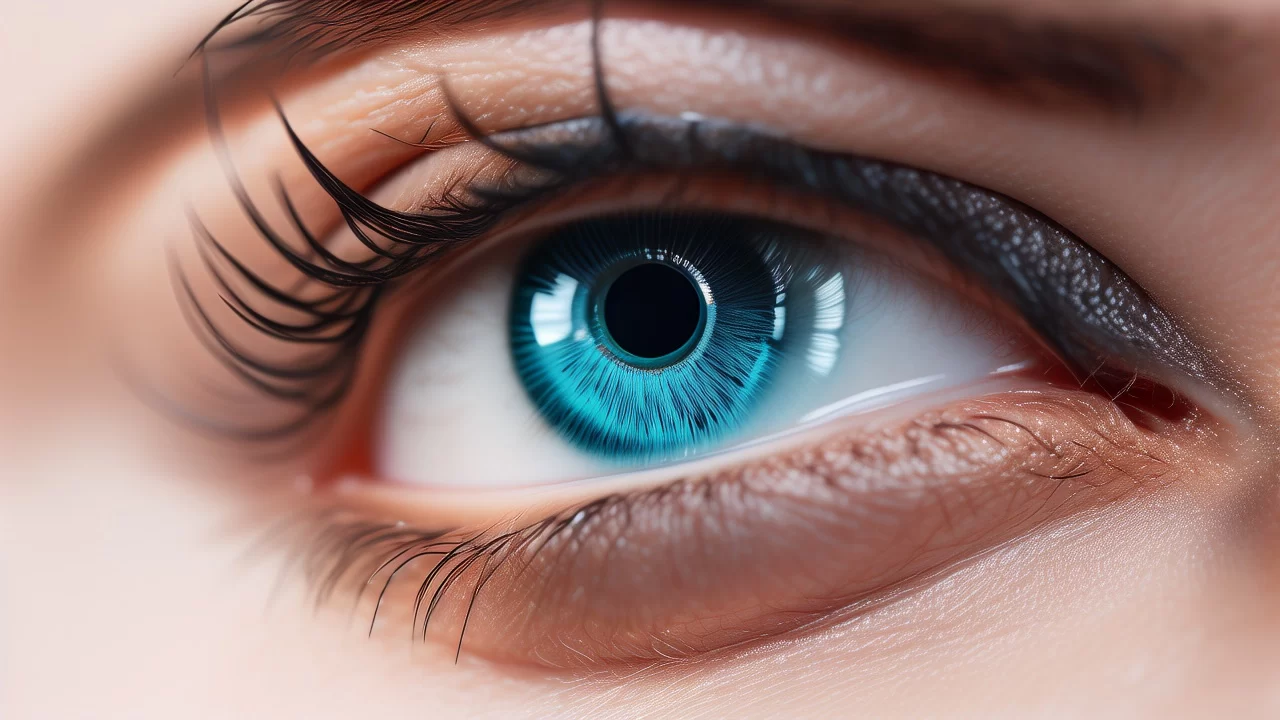
The first thing to clear up is a misconception that trips up new buyers every week. Diameter — DIA on the packaging — is the physical measurement of the lens from edge to edge. It is not the same thing as graphic diameter, which is the size of the colored pattern printed on the lens. Two lenses can both measure 14.2mm in diameter, but if one has a 12.8mm graphic diameter and the other has a 13.8mm graphic diameter, the visual effect on the eye is completely different.
The second lens will look noticeably bigger and more “dolly”, while the first will look more natural. Customers who buy expecting one effect and receive the other are the customers who leave negative reviews.
For brand owners, this means product descriptions need to be precise. Listing only the DIA number is not enough — graphic diameter, or at least a clear “natural” versus “enlarging” positioning, should be part of every product listing.
What 14.0mm, 14.2mm, and 14.5mm actually deliver
14.0mm — the natural range. This is the entry point of cosmetic enhancement. A 14.0mm lens with a modest graphic diameter barely enlarges the iris; instead it sharpens the limbal ring and adds depth to eye color. This is the size that sells in markets where a “no-makeup makeup” look dominates — professional wearers, older demographics, and conservative markets including much of Europe and the Middle East. It is also the size that converts prescription-only contact lens users into cosmetic users, because it feels closest to a regular lens.
14.2mm — the mainstream middle. This is the workhorse size of the colored lens industry. It provides visible enlargement without looking artificial on most eye shapes. If you are launching a brand and can only pick one diameter to build your core range around, this is usually it. Industry assortment data consistently shows mid-diameter SKUs carrying the highest repeat purchase rates, because the look photographs well, suits the widest range of iris colors, and does not require the customer to commit to a bold aesthetic.
14.5mm and above — the statement range. These are the lenses of the “doll eye” and “ulzzang” look that dominates East Asian beauty content, and they are increasingly visible in Western markets through cosplay and influencer culture. A 14.5mm lens makes an unmistakable visual statement — but it is also where fit problems start. Larger lenses need more careful attention to base curve and material breathability, and they are not suitable for every eye. Selling them successfully means being honest in your marketing about who they are for.
Comfort is a diameter decision too
There is a physical tradeoff that every product developer understands: bigger lenses move less on the eye, cover more of the cornea, and can reduce oxygen transmissibility — especially in hydrogel materials. A 14.5mm lens with 38% water content is a meaningfully different comfort product from a 14.0mm lens in a high-Dk silicone hydrogel.
This matters commercially because negative reviews about dryness and discomfort cluster disproportionately around large-diameter lenses. If your brand is going to compete at 14.5mm, material selection is not a cost decision — it is a reputation decision. This is exactly why we tell our OEM partners to treat diameter and material as a single design choice, never as two separate line items on a spec sheet.
So how many diameters should your range have?
For a new brand, our practical recommendation is usually this:
- Start with one diameter — 14.2mm — and build color depth there. Six to ten well-chosen colors at a single mainstream size outperform three colors spread across three sizes.
- Add 14.0mm when you have natural-look demand signals from your market — typically from customers asking for “undetectable” or “office-safe” options.
- Add 14.5mm only when you have content-driven demand — influencers, cosplay customers, or a market with established doll-eye preferences such as Korea, Japan, or Southeast Asia.
Every additional diameter multiplies your SKU count, your inventory risk, and your regulatory workload. Diameter expansion should follow demand evidence, not assortment ambition.
The takeaway
Diameter is the number on the box, but it is really a positioning decision. 14.0mm says natural. 14.2mm says versatile. 14.5mm says statement. The brands that win are the ones that choose their diameters the way they choose their colors — deliberately, based on who their customer actually is.
At MIOMI, we support low-MOQ sampling across all three diameter categories, so you can test your market’s preference before committing to production. If you are deciding which diameter to anchor your range around, we are happy to walk through your target market with you.
Reach out at sales@miomicon.com — or send us a sample request and see the difference between 14.0, 14.2, and 14.5mm on real eyes before you order.