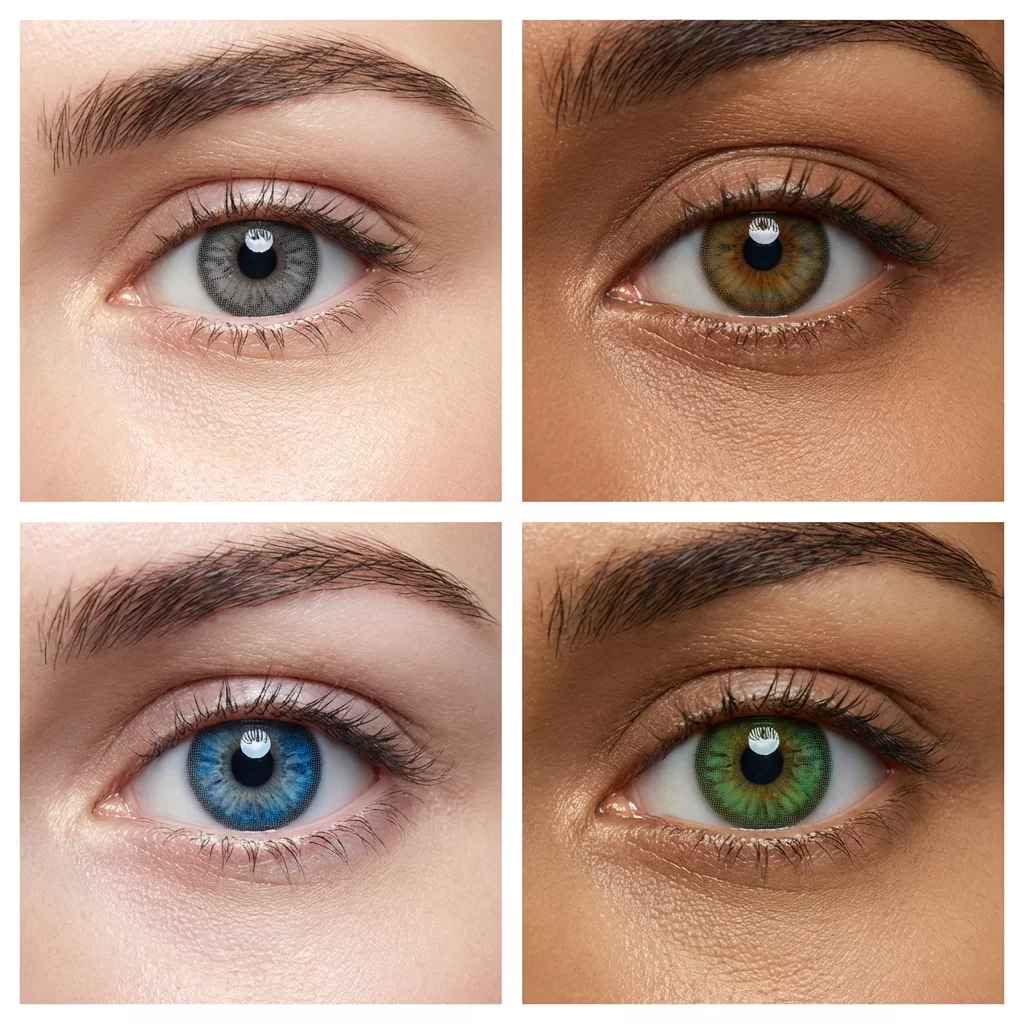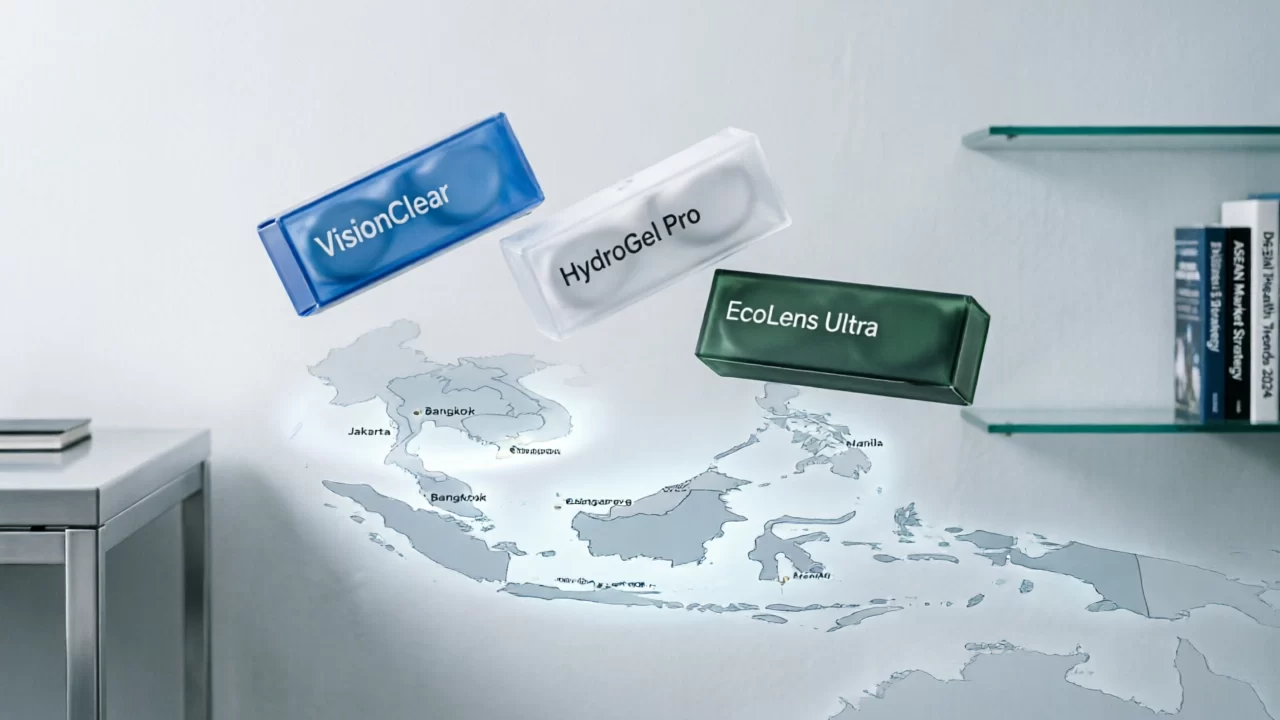
The Southeast Asian contact lens market is experiencing unprecedented growth. With a young, digitally-savvy population, rising disposable incomes, and strong K-beauty influence, countries like Thailand, Vietnam, Indonesia, Philippines, and Malaysia present enormous opportunities for contact lens brands.
Market Size and Growth
The Southeast Asian colored contact lens market is projected to reach $2.8 billion USD by 2027, growing at a CAGR of 12.4% from 2024 to 2027. Key growth drivers include:
- Young demographic: Over 60% of the population is under 35 years old
- Social media influence: Instagram, TikTok, and local platforms drive beauty trends
- Rising e-commerce: Online beauty sales grew 35% year-over-year
- K-beauty wave: Korean dramas and K-pop continue to shape beauty standards
- Urbanization: Growing middle class in major cities has increased spending power
Country-by-Country Breakdown
Thailand 🇹🇭
Market maturity: High | Growth rate: 14% annually
Thailand is the most mature market in Southeast Asia for colored contacts. Thai consumers are sophisticated buyers who understand lens parameters and prioritize quality.
Popular styles: Natural brown enhancements, gray tones, and the signature “Thai doll” look with larger diameters (14.3-14.5mm).
Price sensitivity: Mid-range ($20-35/pair) performs best
Vietnam 🇻🇳
Market maturity: Medium-High | Growth rate: 18% annually
Vietnam is the fastest-growing market in the region. Young Vietnamese consumers are highly influenced by Korean and Chinese beauty trends.
Popular styles: Natural-looking lenses that enhance rather than transform for daily wear, while dramatic colors sell well for special occasions.
Price sensitivity: Budget to mid-range ($15-30/pair)
Indonesia 🇮🇩
Market maturity: Medium | Growth rate: 16% annually
As the world is fourth most populous country, Indonesia represents massive potential. The Muslim majority population prefers halal-certified products where possible.
Popular styles: Brown and hazel tones dominate sales, with natural gradients outperforming dramatic colors.
Price sensitivity: Budget-friendly ($12-25/pair) due to lower average income
Philippines 🇵🇭
Market maturity: Medium | Growth rate: 13% annually
Filipino consumers are highly social media-engaged and trend-conscious. The market shows strong demand for both natural daily wear lenses and bold colors for content creation.
Price sensitivity: Mid-range ($18-32/pair)
Malaysia 🇲🇾
Market maturity: Medium-High | Growth rate: 11% annually
Malaysia has a diverse consumer base with significant Malay, Chinese, and Indian populations. Halal certification matters for the Muslim majority.
Price sensitivity: Mid-range to premium ($22-40/pair)
Consumer Preferences
Color Preferences by Market
- Thailand: Gray, light brown, lavender, green
- Vietnam: Natural brown, honey, gray-brown mix
- Indonesia: Dark brown, hazel, chestnut
- Philippines: Brown, gray, blue, green
- Malaysia: Natural brown, hazel, gray
Diameter Trends
Unlike Western markets where 14.0-14.2mm is standard, Southeast Asian consumers prefer larger diameters:
- Natural daily wear: 14.2-14.3mm
- Enhanced look: 14.4-14.5mm
- Dramatic/cosplay: 14.6-14.8mm (niche but growing)
Replacement Cycle
- Annual lenses: Most popular due to cost-effectiveness
- Monthly disposables: Growing among urban professionals
- Daily disposables: Premium segment, limited adoption
Entry Strategies for Brands
Option 1: Partner with Local Distributors
Pros: Handles regulatory paperwork, established distribution network, local market knowledge
Cons: Lower margins, less control over branding, potential exclusivity requirements
Best for: Brands new to Southeast Asia, limited resources
Option 2: Direct E-commerce
Pros: Higher margins, full brand control, direct customer data
Cons: Must handle logistics, customer service, regulatory compliance yourself
Best for: Digitally-native brands, those with regional fulfillment capabilities
Option 3: Hybrid Model
Combine distributor partnerships for offline retail with direct e-commerce for online sales. This is increasingly common and offers the best of both worlds.
Regulatory Considerations
Understanding regulatory requirements is critical for market entry:
Certification Requirements
- Thailand: Thai FDA registration (6-9 months)
- Vietnam: Vietnam FDA registration (6-12 months)
- Indonesia: BPOM registration (8-14 months)
- Philippines: FDA notification (3-6 months)
- Malaysia: MDA registration (6-10 months)
The Opportunity Ahead
Southeast Asia is not just a growth market — it is the growth market for colored contact lenses in 2026 and beyond. Brands that enter strategically, respect local regulations, and adapt to consumer preferences will build strong, profitable positions.
At MIOMI Optical, we have supported brands entering Southeast Asian markets with:
- CE and FDA certified products that meet regional requirements
- Color ranges specifically developed for Asian eye shapes and preferences
- Low MOQ programs to test markets before full commitment
- Regulatory documentation support for product registration
Ready to explore Southeast Asia? Contact our team for market-specific product recommendations and regulatory guidance.
📧 Contact us: eye@miomi.cc
🌐 Learn more: miomicon.com
Disclaimer: Market data based on 2025-2026 industry reports. Regulatory requirements change frequently — always verify with local authorities before market entry.