Every year, millions of contact lens wearers develop avoidable eye health issues that could have been prevented with proper care. Red eyes, dryness, reduced vision, and even serious infections aren’t just discomforts—they’re warning signs that your aftercare routine needs an upgrade.
Why Aftercare Matters More Than You Think
Contact lenses create a unique environment for your cornea. You’re placing a foreign material directly on the surface of the eye, creating a warm, moist, enclosed space that bacteria and fungi love. Your aftercare routine is the only thing standing between healthy eyes and a corneal ulcer.
According to the CDC, more than 200 million people worldwide wear contact lenses, and approximately 1 in 5 experience a contact lens-related eye infection at some point. Most are preventable.
The 7 Pillars of Proper Contact Lens Aftercare
1. Wash Your Hands Properly
This sounds obvious, but most people get it wrong. Use lukewarm water, not hot. Dry with a lint-free towel. Avoid hand soap with moisturizers or conditioners—they leave residue on lenses.
The rule: Wash hands, dry hands, then handle lenses. Never touch lenses with wet hands.
2. Use Fresh Solution Every Time
Never “top off” old solution in your case. Never rinse lenses with tap water or saliva. Always fill cases with fresh multipurpose solution.
Bacteria and fungi thrive in old solution. Topping off concentrates contaminants. One study found that topping off solution increased bacterial growth by 300% compared to fresh solution.
3. Rub and Rinse, Even with “No-Rub” Solutions
The mechanical action of rubbing removes deposits that solution alone can’t dissolve. Protein buildup, lipids, and minerals from tears adhere to lens surfaces.
Even “no-rub” solutions perform better with a brief 10-second rub. It’s 20 seconds of work that extends lens life and comfort.
4. Follow the Recommended Replacement Schedule—Exactly
Don’t stretch daily disposables to two days. Don’t wear monthly lenses for six weeks. The material degrades, the surface changes, and bacterial adhesion increases over time.
Daily disposables: Replace every day. No exceptions.
Monthly lenses: Replace every 30 days, even if they look perfect.
5. Never Sleep in Daily or Weekly Lenses
The eye needs oxygen while sleeping. Even if your lenses are approved for extended wear, avoid sleeping in them unless you’re wearing silicone hydrogel lenses specifically designed for overnight use.
Sleeping in lenses increases infection risk by 6-8x. Your eyes aren’t designed to be covered for 8 hours straight.
6. Replace Your Case Every 3 Months
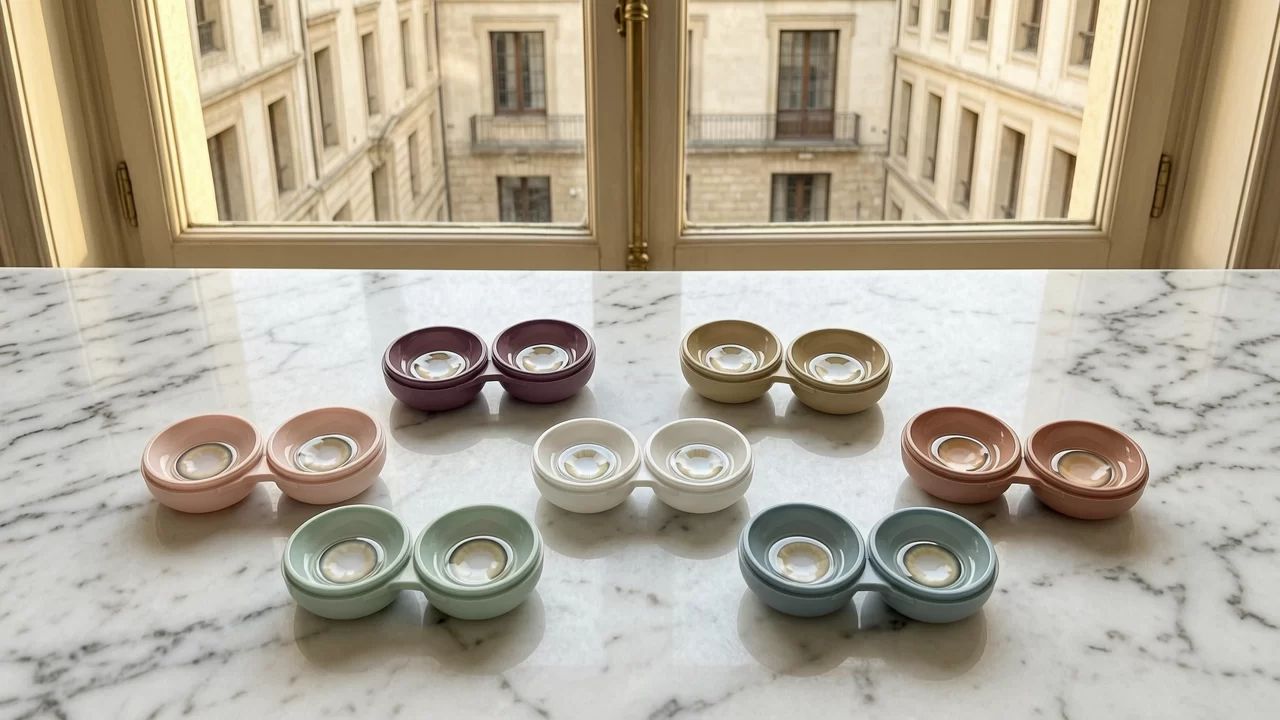
Contact lens cases are breeding grounds for bacteria. The tiny grooves and cracks harbor microorganisms that solution can’t reach.
Replace cases every 3 months minimum. Disinfect cases weekly by air drying them completely.
7. Track Your Lens-Wearing Habits
Every wearer has a pattern. Are you more prone to dryness in air-conditioned offices? Do you need rewetting drops mid-day? Track these patterns and adjust your routine accordingly.
Keep a simple log: lens type, comfort rating (1-10), any redness or irritation, solution used. This helps identify problems before they become serious.
Signs Your Eyes Need a Break
Stop wearing lenses immediately if you experience:
- Redness or irritation that persists after removing lenses
- Decreased vision or blurred vision
- Light sensitivity
- Pain or tenderness
- Watery eyes or excessive discharge
- Any foreign body sensation that doesn’t resolve in 30 minutes
These are signs of corneal hypoxia, inflammation, or early infection. Give your eyes a minimum 24-hour break.
Aftercare for Different Lens Types
Daily Disposables
The easiest aftercare: throw them away. No cleaning needed. Just ensure your hands are clean before insertion.
Weekly/Monthly Lenses
Daily cleaning is mandatory. Rub and rinse even with no-rub solutions. Air dry cases. Replace lenses on schedule.
Silicone Hydrogel Lenses
These lenses have higher oxygen permeability but can be more prone to lipid deposits. Use a solution with strong lipid-dissolving properties.
MIOMI Optical: Lenses Designed for Easy Aftercare
At MIOMI Optical, we manufacture lenses that support proper aftercare habits:
- Daily disposable silicone hydrogel options that eliminate cleaning altogether
- Monthly hydrogel lenses with protein-resistant surfaces
- Comprehensive aftercare education materials for your brand
- Solutions compatible with all MIOMI lens materials
Ready to learn more about contact lens aftercare best practices? Contact us at sales@miomicon.com or WhatsApp +86 13862973905 for technical support and educational materials.