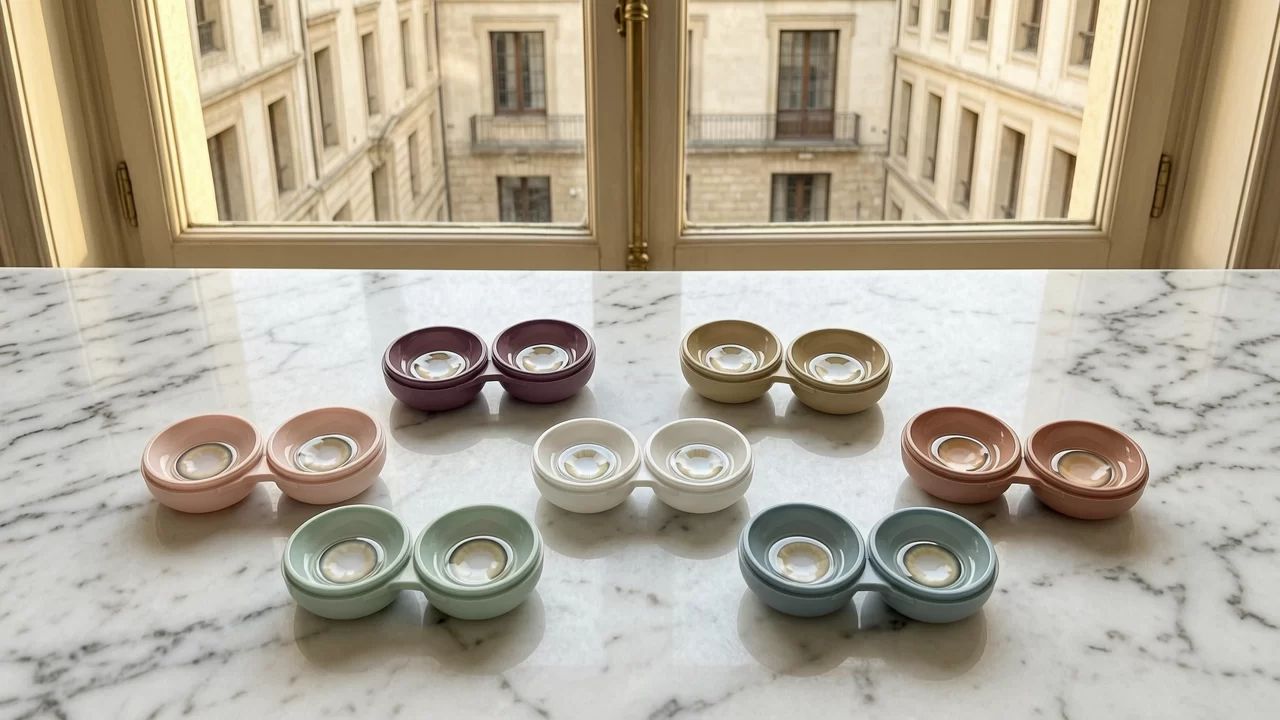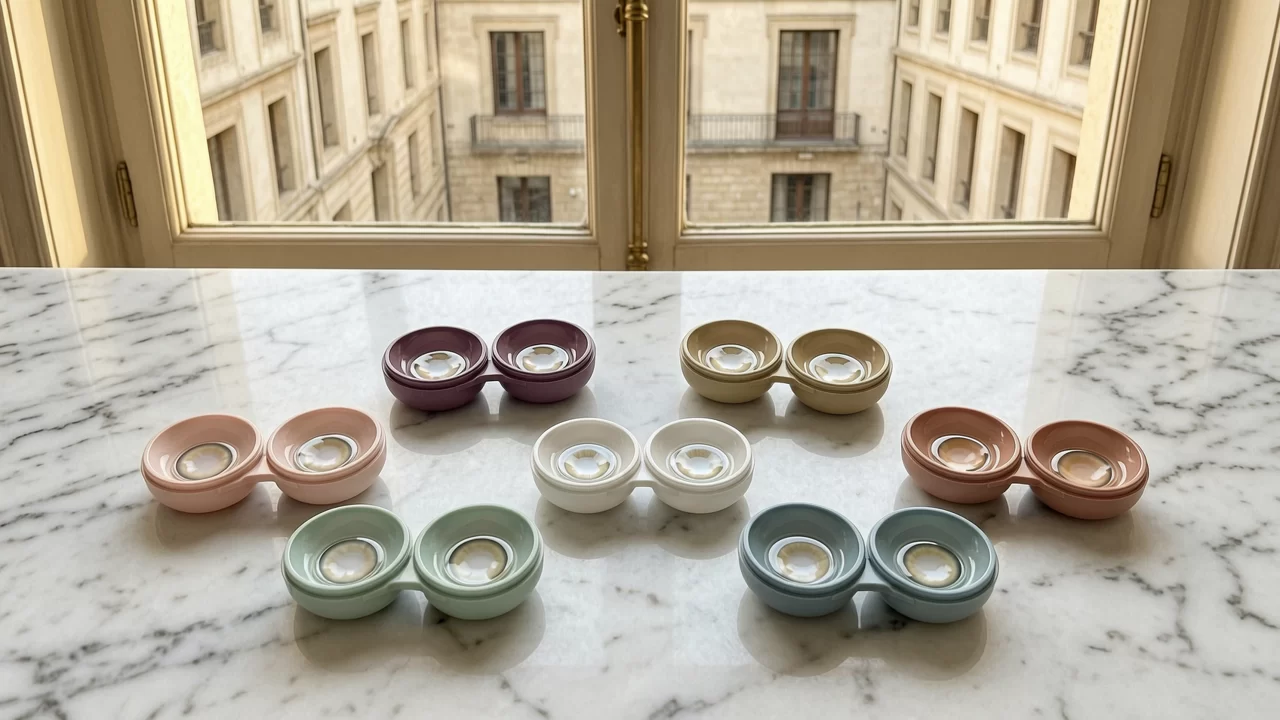
If you’re reading this, chances are you’ve already noticed something: colored contact lenses aren’t just a niche beauty product anymore. Across Europe — from London to Berlin to Madrid — consumers are reaching for colored lenses the same way they reach for mascara or eyeliner. And for B2B buyers, brand builders, and distributors, that shift represents something worth paying attention to.
I’ve spent years working with European distributors and brand owners in the contact lens space. The questions I get now are different from five years ago. Back then, it was “Does anyone actually wear these?” Now it’s “Which colors sell fastest?” and “How fast can we get a private label running?” That’s the kind of question that tells you a market has arrived.
So let me share what I’m seeing on the ground — the trends, the regulatory realities, and the opportunities that European buyers should be thinking about right now.
Europe Isn’t One Market. It’s Several.
Here’s the mistake I see most often: treating Europe as a single market. It isn’t. The UK behaves very differently from Germany. France has its own beauty culture. Southern Europe — Italy, Spain, Greece — has a completely different relationship with color cosmetics than Scandinavia.
Let me break it down by region, because your product strategy should probably be different depending on where you’re selling.
The UK: Social Media-Driven and Fast-Moving
The UK is probably the most TikTok-influenced colored lens market in Europe. Trends move fast here — a color that goes viral on British beauty creators can sell out in days. Hazel and honey tones dominate, but there’s also strong demand for more dramatic looks: vivid greens, blues, and even violet shades.
What matters in the UK: speed to market, Instagrammable packaging, and daily disposable formats. British consumers are willing to pay a premium for convenience and aesthetics. If you’re building a brand for this market, your packaging needs to look good on a bathroom shelfie.
Germany and DACH: Quality-First, Regulation-Heavy
German consumers are some of the most specification-literate buyers I’ve encountered. They’ll ask about water content, base curve, oxygen permeability — and they’ll actually compare the numbers. This is a market where your product claims need to hold up under scrutiny.
The regulatory environment is strict. CE marking under the EU MDR (Medical Device Regulation) is non-negotiable. German distributors will ask for your technical file, your clinical evaluation data, and your post-market surveillance plan before they even discuss pricing. If your supplier can’t provide that documentation, walk away.
But here’s the upside: once you’re in, German distributors are loyal. They don’t switch suppliers on a whim. Quality and consistency matter more than the lowest price.
France: Color Cosmetics Meets Medical Device
France sits at an interesting intersection. The French beauty industry is massive and sophisticated, and colored lenses sit right at the crossroads of cosmetics and medical devices. French consumers want products that feel luxurious and look natural.
Natural enhancement colors — think subtle gray, soft green, gentle hazel — outperform dramatic transformation shades in France. The “no-makeup makeup” trend has definitely influenced the colored lens market here. If your product looks obviously artificial, French consumers will pass.
Southern Europe: Bold Colors and Warm Tones
Italy, Spain, and Greece share something in common: consumers here tend to prefer warmer, more expressive colors. Brown-enhancing lenses, amber tones, and rich honey shades move well. There’s also more openness to colored lenses for special occasions — festivals, weddings, nights out — which means monthly replacement formats often sell better than dailies.
Price sensitivity is higher in Southern Europe than in Northern markets. You’ll need to find the right balance between quality and affordability. This is where a competitive OEM partner who can manage margins becomes critical.
The Regulatory Picture: What’s Changed Since 2024
Let me be direct about this: if you’re selling colored contact lenses in Europe without proper CE marking under the EU MDR, you’re sitting on a ticking clock. The transition period for legacy devices under the old MDD ended, and enforcement is tightening.
Here’s what you need:
- CE marking under EU MDR 2017/745 — Class IIa medical device classification for colored contact lenses
- A notified body that has audited and certified your manufacturing facility
- Technical documentation including clinical evaluation, biocompatibility testing, and risk management files
- An EU Authorized Representative if your manufacturing base is outside the EU
- UDI registration (Unique Device Identification) for traceability
This isn’t optional. European customs authorities are increasingly checking CE documentation at the border, and marketplace platforms like Amazon are requiring proof of compliance before listing. Get this sorted before you think about product selection.
One thing I’ll flag: the UK post-Brexit situation. The UK now operates its own MHRA framework. CE marking is still accepted, but the UKCA marking transition is ongoing. If you’re selling in both the UK and EU, make sure your compliance strategy covers both jurisdictions. It’s not as simple as it used to be.
Daily Disposables Are Winning the Growth Race
Across all European markets, daily disposable colored lenses are growing faster than monthly or yearly formats. The reasons are straightforward: convenience, hygiene, and the ability to switch colors frequently.
European consumers — especially the 18–35 demographic — don’t want to commit to one color for a month. They want to match their lenses to their outfit, their mood, or the occasion. Daily disposables make that possible without the hassle of lens care solutions.
For brand owners, this trend has a practical implication: your SKU strategy needs to account for variety packs and multi-color boxes. A 10-pack with mixed colors often outsells a 30-pack of a single shade. Think about how you structure your product offering.
Where’s the Opportunity for New Brand Owners?
If you’re thinking about launching a colored lens brand in Europe, here’s where I see the most realistic opportunities right now:
1. The “natural enhancement” segment. There’s consistent demand across all European markets for lenses that subtly enhance the wearer’s natural eye color. These aren’t dramatic transformation lenses — they’re the “your eyes but better” category. Think of it like the difference between a bold red lipstick and a tinted lip balm. Both sell, but the everyday product has a larger addressable market.
2. Prescription + color combinations. A significant portion of European contact lens wearers need vision correction. The market for colored lenses with prescription is underserved in many regions. If your OEM partner can offer a broad prescription range with color options, that’s a genuine competitive advantage.
3. Clean, minimalist branding. European consumers — particularly in the premium segment — respond to brands that feel clinical and trustworthy rather than flashy. Your packaging and brand identity should communicate safety, quality, and sophistication. Think Aesop, not Shein.
4. DTC with a subscription model. Several European brands have found success with a “lens subscription” approach — customers receive a fresh supply of daily colored lenses every month. It builds recurring revenue and increases customer lifetime value. If you’re building a brand, this model is worth exploring.
A Few Honest Words on Pricing
European buyers will pay more than many other regions, but they’ll also hold you to higher standards. You can’t compete on price alone against established European brands that have pharmacy distribution and optician relationships.
What you can compete on: unique color designs that the established brands don’t offer, faster trend responsiveness, better DTC experience, and more authentic social media presence. The European market rewards brands that feel genuine and differentiated, not brands that feel like they’re undercutting everyone on price.
If your OEM partner can produce high-quality lenses with distinctive color patterns — and can do so with full regulatory compliance — you have a foundation to build something real in this market.
The Bottom Line
Europe’s colored contact lens market is growing, but it’s not a free-for-all. The winners in this space will be brands that understand regional differences, take regulatory compliance seriously, and offer products that genuinely match what European consumers want — which is mostly natural-looking, high-quality, convenient lenses from brands they trust.
If you’re a distributor, brand owner, or entrepreneur thinking about the European market, the time to start building your compliance foundation and product strategy is now. The market is moving, and the brands that prepare today will be the ones that capture share tomorrow.
At MIOMI Optical, we work with European distributors and brand owners on OEM and ODM projects for colored contact lenses. If you’re exploring the European market and want to talk product specs, compliance, or sampling, we’re happy to have that conversation.