5 Colored Contact Lens Trends Shaping 2026: What Brands Need to Know
The colored contact lens market isn’t just growing—it’s evolving faster than most brands can keep up with. If you’re still thinking of colored lenses as just another beauty product, you’re missing the bigger picture.
Over the past year, we’ve seen shifts in consumer behavior, technology, and market dynamics that are reshaping how brands approach this category. Whether you’re launching a new line or expanding an existing one, these five trends deserve your attention.
1. Natural-Look Colors Are Dominating Premium Segments
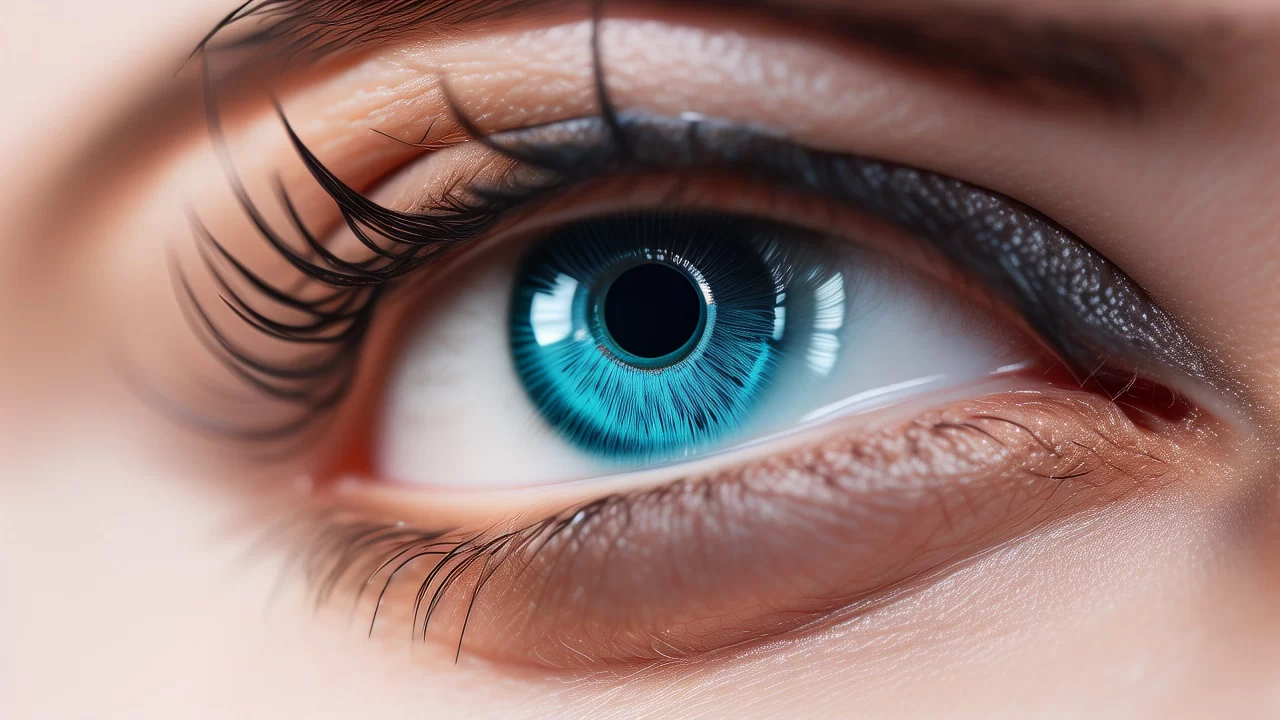
Gone are the days when bold, dramatic colors ruled the market. In 2026, consumers are gravitating toward subtle enhancements that look effortless.
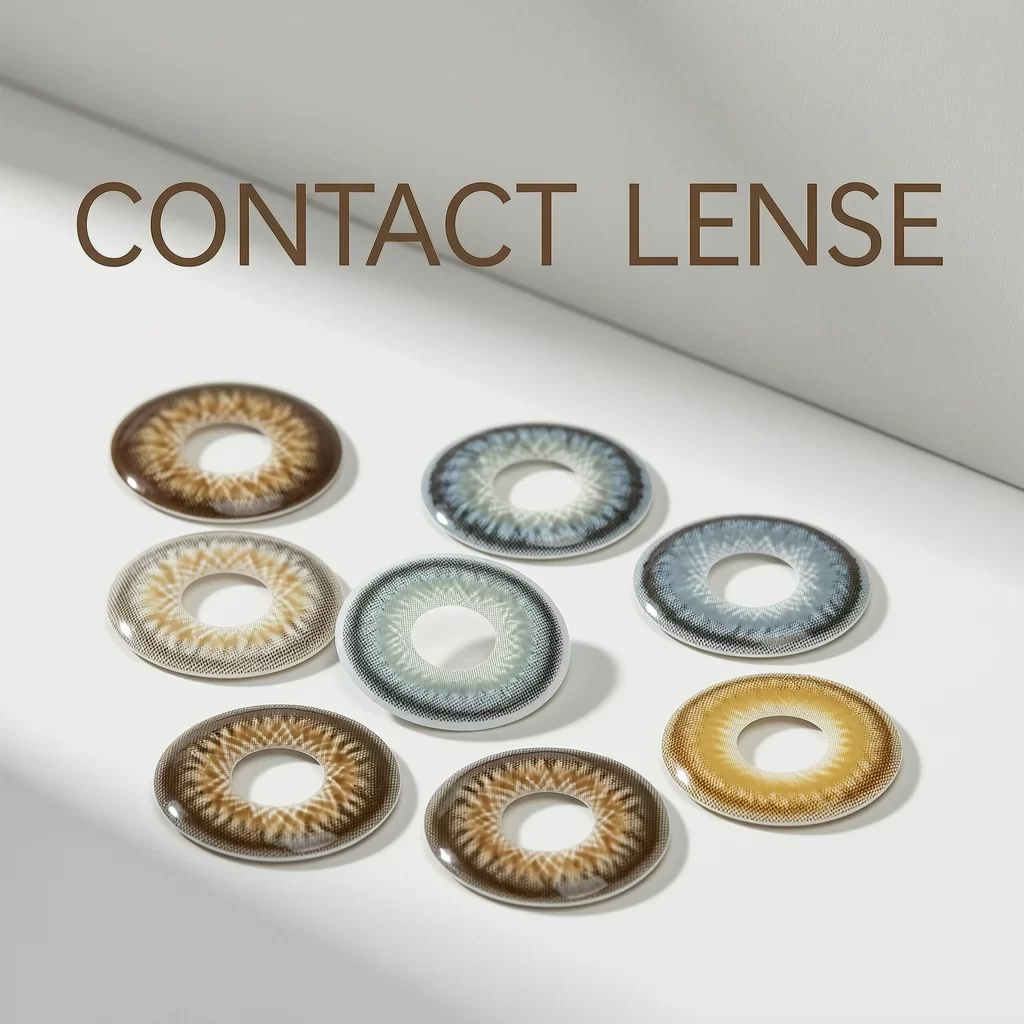
Think honey hazel instead of bright amber. Soft gray-blue instead of icy platinum. The demand is for lenses that enhance natural eye color rather than completely transform it.
What this means for brands:
- Invest in multi-tone designs that mimic natural iris patterns
- Focus on “your eyes but better” marketing rather than dramatic transformation
- Consider regional preferences—Middle Eastern markets still favor richer, deeper tones while East Asian consumers prefer lighter, softer shades
The brands winning in this space aren’t selling color—they’re selling confidence through subtle enhancement.
2. Daily Disposables Are Eating Into Traditional Replacement Cycles
This isn’t new, but the acceleration is remarkable. Daily disposable colored lenses accounted for nearly 40% of market growth in 2025, and that number is climbing.
Why? Convenience and hygiene. Consumers who tried dailies during the pandemic discovered they prefer not cleaning and storing lenses. The habit stuck.
What this means for brands:
- If you only offer monthly or yearly lenses, you’re leaving money on the table
- Daily disposables command higher margins per unit despite lower per-piece cost
- The trade-off for consumers is worth it: no solution costs, no storage hassle, fresh lenses every day
The challenge is manufacturing complexity. Daily disposables require thinner materials and more precise quality control. Make sure your OEM partner has the capability before committing to this segment.
3. Silicone Hydrogel Is Becoming the Standard, Not the Exception
For years, silicone hydrogel was positioned as the premium option. In 2026, it’s becoming the baseline expectation.
Consumers are more educated than ever about lens materials. They know that higher oxygen permeability means healthier eyes and more comfortable all-day wear. They’re asking questions about water content, Dk/t values, and material composition.
What this means for brands:
- If you’re still launching traditional hydrogel lenses, you need a compelling price advantage or you’ll struggle
- Silicone hydrogel doesn’t have to mean premium pricing anymore—manufacturing costs have dropped significantly
- Marketing should emphasize breathability and comfort, not just color payoff
The brands that haven’t transitioned to silicone hydrogel are finding themselves squeezed between premium competitors and ultra-low-cost alternatives.
4. Personalization Is Moving Beyond Color Selection
Here’s where things get interesting. The next wave of innovation isn’t just about offering more colors—it’s about customization at a level we haven’t seen before.
Some brands are experimenting with:
- Prescription-integrated colored lenses (no more choosing between vision correction and aesthetics)
- Custom diameter options for different eye shapes
- Limited-edition color collaborations with beauty influencers
This trend is still early, but it’s gaining momentum fast. Consumers want products that feel tailored to them, not mass-produced commodities.
What this means for brands:
- Start exploring made-to-order options, even if limited
- Consider influencer collaborations for exclusive colorways
- Look into digital try-on technology to help consumers choose the right shade
The brands that figure out personalization at scale will own the next decade of this market.
5. Regulatory Scrutiny Is Increasing—And That’s a Good Thing
This might sound counterintuitive, but hear me out.
As the colored lens market has grown, so has the number of unregulated products flooding marketplaces. Consumers are getting burned—literally and figuratively—by low-quality lenses that don’t meet basic safety standards.
Regulators in the EU, US, and Southeast Asia are cracking down. This is creating opportunities for compliant brands to differentiate themselves.
What this means for brands:
- Lead with your certifications (CE, FDA, KFDA) in all marketing materials
- Be transparent about your manufacturing processes and quality control
- Educate consumers about why regulatory compliance matters for eye health
The brands that embrace regulation rather than resist it are building trust that translates to customer loyalty. When consumers realize their eye health is at stake, they’re willing to pay more for verified safety.
What These Trends Mean for Your Brand Strategy
If you’re building or expanding a colored contact lens brand in 2026, here’s the bottom line:
Focus on natural aesthetics, daily disposables, and silicone hydrogel materials. These aren’t just trends—they’re becoming table stakes.
Invest in personalization and compliance. These are your differentiation opportunities.
Don’t try to compete on price alone. The race to the bottom is brutal and unsustainable. Compete on quality, safety, and brand experience instead.
The colored contact lens market in 2026 rewards brands that understand their consumers are more sophisticated than ever. They want products that look good, feel great, and are safe to use. If you can deliver on all three, you’ll find a market that’s more receptive than ever.
—
*Looking to launch or expand your colored contact lens line? MIOMI Optical specializes in OEM/ODM customization with low MOQ options. Get in touch to discuss your project.*