The contact lens market isn’t standing still. If you’re building a brand or thinking about launching one, you’ve probably noticed that 2026 feels different from even two years ago. Consumer preferences are shifting, regulations are tightening in key markets, and the competitive landscape is being redrawn by new players and new technologies.
I’ve been working with brand owners across Southeast Asia, the Middle East, and Europe for years now. The questions I’m getting in 2026 are different from what I heard in 2024. People aren’t just asking “how do I start a contact lens brand?” anymore. They’re asking “how do I make my brand survive the next three years?”
That’s a smarter question. Let me walk you through what’s actually happening in the global contact lens industry right now, and what it means for your brand strategy.
The Market Is Growing, But Not Everywhere at the Same Speed
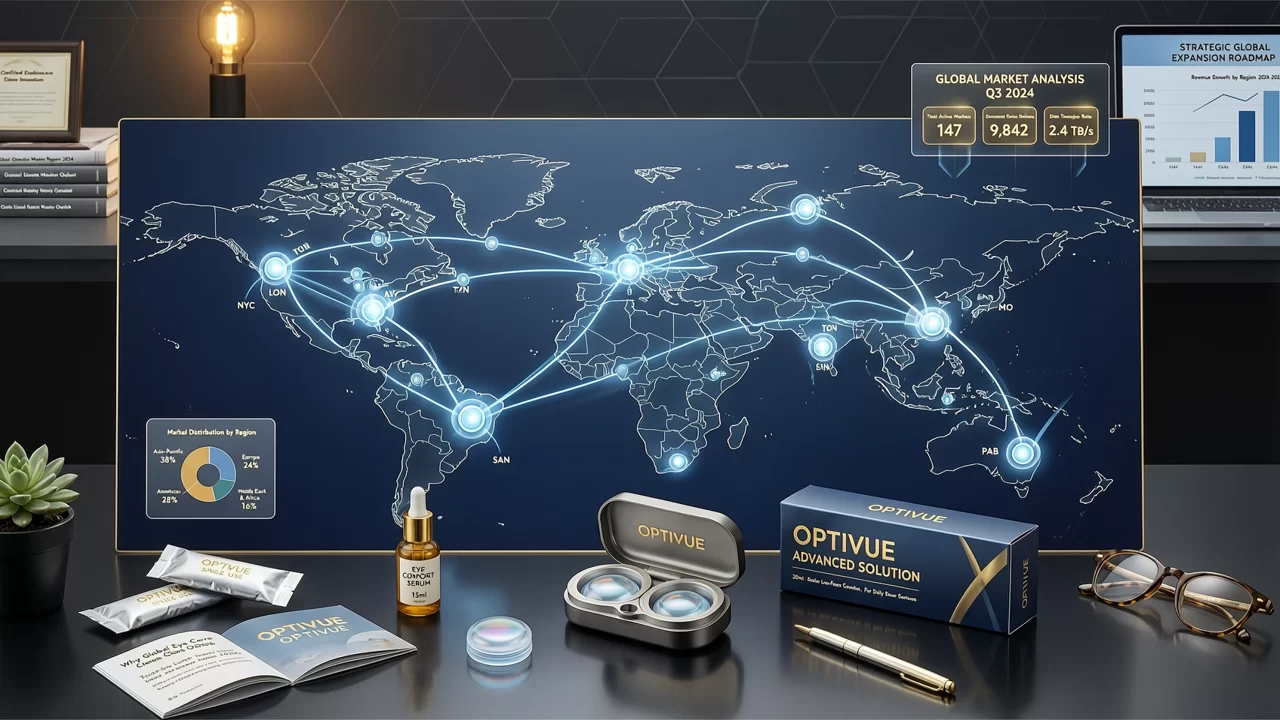
Global contact lens market revenue is projected to reach around $14 billion by 2027, with colored and cosmetic lenses being the fastest-growing segment. But here’s what most market reports don’t tell you: growth is highly uneven by region.
North America and Western Europe are mature markets. Growth there is steady but slow, maybe 3-4% annually. The real action is in emerging markets. Southeast Asia is seeing 8-12% growth rates. The Middle East is at 6-9%. Latin America is starting to wake up.
If you’re launching a brand in 2026, you need to decide: are you going after established markets where you’ll fight Johnson & Johnson and Alcon for shelf space? Or are you building in emerging markets where there’s room to grow but also infrastructure challenges?
Neither choice is wrong. But they require completely different strategies.
Daily Disposables Are Winning the Hygiene Conversation
Five years ago, monthly replacement lenses were still the default for most consumers. They were cheaper, and people didn’t think much about hygiene. That’s changed dramatically.
Daily disposable colored lenses are now the fastest-growing product type across almost every market I track. The reasons are straightforward:
- No cleaning solution costs
- Lower risk of eye infections
- Convenience for travel and busy lifestyles
- Perceived as more premium
For brand owners, this shift matters because daily disposables have different manufacturing requirements. You need higher precision in production, and the per-unit cost is higher. But consumers are willing to pay for them, which means better margins if you can get the manufacturing right.
If you’re launching a new brand in 2026, I’d strongly recommend making daily disposables a core part of your product line. Even if you also offer monthly lenses for price-sensitive customers, your marketing should emphasize the daily option.
Colored Lenses Are No Longer Just a Beauty Product
Here’s something that surprises people: colored contact lenses are increasingly being positioned as wellness and lifestyle products, not just cosmetic enhancements.
In South Korea and Japan, this shift happened first. Brands started marketing colored lenses as part of a “daily beauty routine” rather than a special-occasion product. Now that positioning is spreading to Southeast Asia and the Middle East.
What does this mean for your brand? It means your marketing needs to evolve. If you’re still positioning colored lenses as “change your look for a party,” you’re missing the bigger opportunity. The brands winning in 2026 are talking about:
- Confidence and self-expression
- Daily wearability
- Natural-looking enhancement
- Integration with skincare and beauty routines
This isn’t just marketing fluff. It’s driving real purchase behavior. Consumers who see colored lenses as part of their daily routine buy more frequently and are less price-sensitive.
Regulatory Tightening Is Separating Serious Brands from Fly-by-Night Operators
I’ll be direct about this: if you’re planning to sell contact lenses without proper certifications, 2026 is going to be a rough year.
Regulatory bodies worldwide are cracking down on non-compliant products. In the European Union, MDR (Medical Device Regulation) enforcement is stricter than ever. In the Middle East, Saudi Arabia’s SFDA and the UAE’s MOHAP are requiring more documentation. Southeast Asian countries like Indonesia and Thailand are tightening import rules.
This is actually good news for legitimate brand owners. The crackdown is clearing out low-quality operators who were giving the industry a bad name. But it does mean you need to budget time and money for:
- CE marking for Europe
- FDA registration for the United States
- Local certifications for each market you enter
- Proper clinical testing and documentation
Don’t try to cut corners here. I’ve seen brands get products seized at customs because they didn’t have the right paperwork. It’s not worth the risk.
OEM Partnerships Are Becoming More Strategic
The old model of OEM manufacturing was simple: you pick a design from a catalog, slap your logo on it, and call it your brand. That still works, but it’s not enough in 2026.
Smart brand owners are now treating their OEM partnerships as strategic relationships. They’re working with manufacturers on:
- Custom color development that matches their brand identity
- Proprietary lens parameters for better comfort
- Exclusive designs that competitors can’t copy
- Co-investment in new materials or technologies
If your OEM partner is just taking orders and not offering strategic input, you’re missing out. The best manufacturers are acting as innovation partners, helping brands differentiate in crowded markets.
Social Media Is Reshaping How Brands Build Trust
TikTok, Instagram, and YouTube aren’t just marketing channels anymore. They’re where consumers research products, read reviews, and decide which brands to trust.
For contact lens brands, this creates both opportunities and challenges. On one hand, you can reach millions of potential customers through influencer partnerships and user-generated content. On the other hand, one bad review or one safety scare can go viral and damage your reputation overnight.
The brands doing well in 2026 are those that:
- Work with micro-influencers who have genuine audiences
- Encourage customers to share their experiences
- Respond quickly and transparently to concerns
- Invest in educational content, not just promotional posts
If you’re not actively managing your social media presence, you’re leaving your brand’s reputation to chance.
Sustainability Is Starting to Matter
I’ll admit this one surprised me. Two years ago, nobody in the contact lens industry was talking about sustainability. Now it’s coming up in conversations with brand owners regularly.
The reasons are partly consumer-driven. Younger consumers care about environmental impact. But it’s also regulatory. The EU is starting to look at medical device waste, and contact lenses are in the conversation.
For now, sustainability in the contact lens industry mostly means:
- Recyclable packaging
- Reduced plastic use where possible
- Clear end-of-life disposal instructions
- Exploring biodegradable lens materials (still in early stages)
You don’t need to make this your core brand message yet. But if you’re building a brand for the long term, it’s worth thinking about how you’ll address sustainability as consumer expectations evolve.
What This Means for Your Brand Strategy
So what should you do with all this information? Here’s my advice for brand owners navigating the 2026 landscape:
Pick your markets carefully. Don’t try to launch everywhere at once. Choose one or two regions where you have distribution advantages or market knowledge, and build there first.
Invest in daily disposables. If your manufacturing partner can produce high-quality daily colored lenses, make that a core part of your offering. The margins are better and the growth trajectory is clear.
Position for daily wear, not special occasions. Update your marketing to reflect how consumers actually use colored lenses in 2026. This isn’t a costume accessory; it’s part of a beauty routine.
Get your certifications in order. Don’t let regulatory compliance catch you off guard. Budget for it, plan for it, and treat it as a competitive advantage.
Build a real partnership with your OEM. The best manufacturers will help you innovate, not just fulfill orders. If yours isn’t doing that, it might be time to look for a new partner.
Take social media seriously. Your brand’s reputation is being shaped online whether you like it or not. You might as well be actively managing it.
The Bottom Line
The contact lens industry in 2026 is more competitive, more regulated, and more dynamic than it was even a few years ago. That’s challenging, but it’s also an opportunity for brands that are willing to do things right.
The fly-by-night operators are getting squeezed out. Consumers are more educated. Distribution channels are more professional. If you’re building a brand with quality products, proper certifications, and a real understanding of your target market, there’s never been a better time to enter.
The key is to be strategic. Don’t just chase short-term sales. Build a brand that can adapt to where the industry is heading, not where it’s been.
—
Looking to launch or grow your contact lens brand in 2026? MIOMI Optical specializes in OEM/ODM customization with low MOQ options for emerging brands. [Get in touch](https://miomicon.com/contact/) to discuss your project.