 \n\n
You’ve got the brand name picked out. Maybe even a logo. You know who you want to sell to — your friends are already asking when you’re launching. But here’s the part nobody talks about on Instagram: finding a contact lens manufacturer who won’t ghost you after the first sample order.
I’ve watched dozens of brand owners make this mistake. They pick a factory based on a pretty Alibaba storefront or a sales rep who responds fast. Three months later, they’re stuck with 5,000 lenses that don’t fit right, or waiting six weeks for a reorder that never ships.
Choosing a manufacturer is the single most important decision you’ll make. Get it right, and you’ve got a partner who helps you grow. Get it wrong, and you’ve got a headache that could kill your brand before it starts.
After working with factories for years — and watching what separates the smooth launches from the disasters — I’ve put together the seven questions you absolutely need to ask before signing anything.
1. What Certifications Do You Hold, and Can I Verify Them?
This isn’t a nice-to-have. This is non-negotiable.
Contact lenses are medical devices. In the US, they need FDA clearance. In Europe, CE marking. South Korea has KFDA. If your manufacturer can’t show you current, valid certifications — or worse, if they say “don’t worry about it” — walk away immediately.
But here’s what most brand owners miss: ask to verify the certificates directly with the issuing body. I’ve seen photoshopped PDFs. I’ve seen expired certificates passed off as current. I’ve seen one factory using another factory’s FDA number.
A legitimate manufacturer won’t blink when you ask for verification contact info. They’ll expect it.
2. What’s Your Real MOQ, and What Happens If I Need to Reorder?
Everyone advertises “low MOQ” these days. But there’s low, and then there’s “we’ll actually work with you while you’re finding your feet.”
Ask specifically:
- What’s the MOQ per SKU (per color/design)?
- Can I mix SKUs to hit the total?
- What’s the lead time for a first order vs. a reorder?
- If I need 500 more units in two months, is that possible?
The answer to that last question matters more than the initial MOQ. Some factories will take your first order and then tell you the reorder minimum is 10,000 units. Now you’re either overstocked or scrambling to find a new supplier mid-launch.
Get the reorder terms in writing. Ideally, in the contract itself.
3. Can I Visit the Factory, or Do You Offer Virtual Tours?
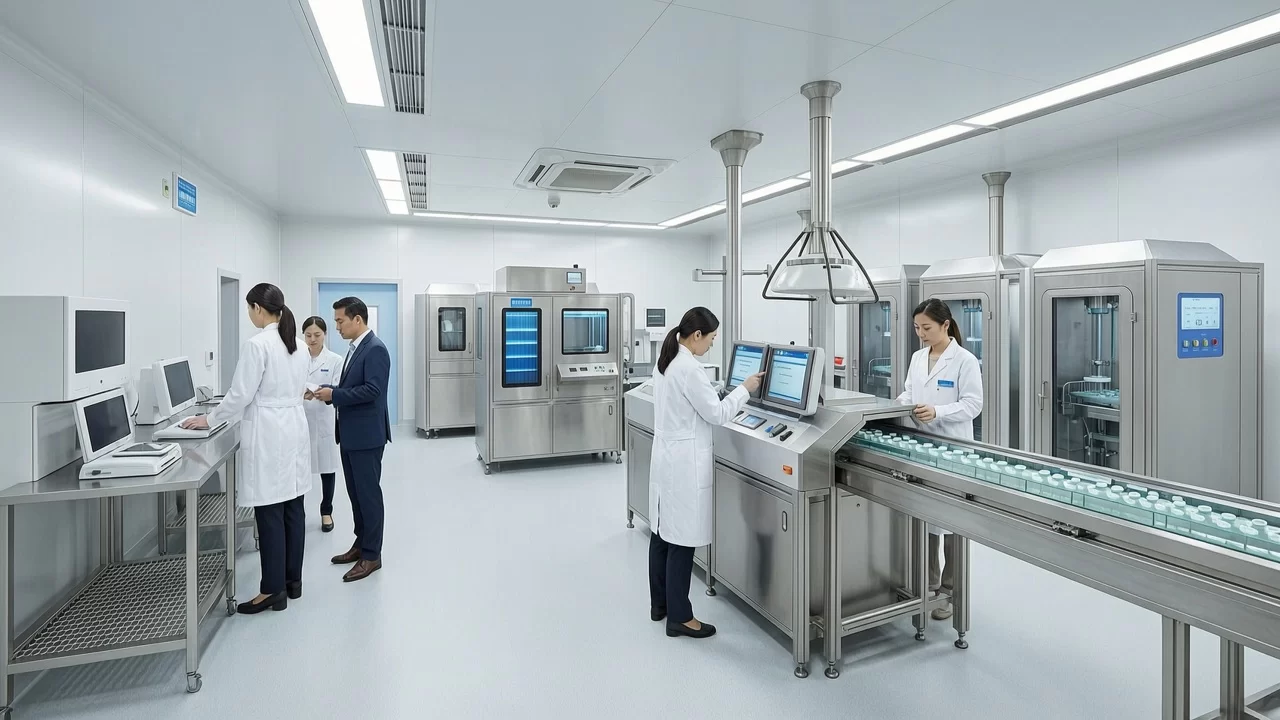
If you’re serious about this partnership, you need to see where your product is made. Not a showroom. Not a sales office. The actual production floor.
I know international travel isn’t always easy. That’s why a lot of factories now offer virtual tours — live video calls where you watch the production line, see the clean room, check the equipment. It’s not quite the same as being there, but it tells you a lot.
A factory that refuses any kind of visit — in person or virtual — is hiding something. Maybe it’s not as clean as they claim. Maybe they’re outsourcing to a smaller workshop. Maybe they don’t actually manufacture at all and are just trading.
You’re building a brand. You need to know where your product comes from.
4. What’s Your Sample Process, and How Much Does It Cost?
Never place a full order without testing samples first. This sounds obvious, but I’ve seen people skip it to “save time.” Don’t be that person.
Ask about:
- How many sample rounds are included?
- What’s the cost per sample round?
- How long does sampling take?
- Can you customize the sample (your design, your parameters)?
- Is the sample cost refundable against the first order?
A good factory will charge for samples — it filters out the tire-kickers — but will refund the cost when you place a production order. The sampling process should take 7-15 days. If they’re telling you three days, they’re probably pulling stock lenses off the shelf and calling it “custom.”
Test the samples yourself. Wear them. Check the packaging. See how they look in different lighting. This is your last chance to catch problems before thousands of units are produced.
5. Who Handles Quality Control — You or a Third Party?
Here’s a question that separates the amateurs from the pros: who checks the quality before shipment?
If the manufacturer says “we have our own QC team,” that’s good — but it’s not enough. Internal QC is like grading your own homework. You want a third-party inspection as well.
Ask if they work with inspection companies like SGS, Bureau Veritas, or Intertek. If they don’t, that’s a red flag. If they say “you can hire your own inspector,” that’s actually a good sign — they’re confident enough to let someone else check.
For your first few orders, budget for third-party inspection. It’s a few hundred dollars that could save you from a catastrophic quality issue. Once you’ve built trust with the factory and seen consistent results, you can scale back — but never skip it entirely.
6. What Happens If There’s a Quality Issue After Delivery?
Nobody wants to think about this when they’re excited about launching. But you need to know: if 5% of the lenses arrive defective, what’s the remedy?
Some factories will replace defective units. Some will offer a credit on the next order. Some will… disappear. I’ve seen all three.
Get the warranty and return policy in writing before you pay the deposit. Specifically:
- What’s the acceptable defect rate (AQL)?
- How do you report issues, and what’s the timeline?
- Who pays for return shipping on defective goods?
- How are replacements or credits handled?
A factory that’s willing to put this in the contract is a factory that stands behind its work. A factory that gets defensive or says “our quality is perfect, don’t worry” is a factory that’s never had a problem — or never admitted one.
7. Can You Provide References from Current Clients?
This is the simplest question, and the one most brand owners forget to ask.
A reputable manufacturer should be able to connect you with at least two or three current clients — ideally in your target market. Talk to them. Ask about:
- Communication responsiveness
- On-time delivery rate
- Quality consistency across orders
- How the factory handled problems when they came up
If the manufacturer refuses to provide references, that’s a major red flag. If they only give you references from five years ago, that’s another one. You want to talk to people who are working with this factory right now.
Pro tip: don’t just use the references they give you. Search for the factory on LinkedIn, reach out to people who list them as a supplier, and ask for an informal chat. You’ll get the unfiltered version.
The Bottom Line: Trust, but Verify
Choosing a manufacturer is about more than price and MOQ. It’s about finding a partner who’s as invested in your success as you are. The right factory will help you solve problems, not create them. They’ll communicate proactively, not just when you chase them. They’ll stand behind their quality, not make excuses.
These seven questions won’t guarantee you’ll find the perfect partner — but they’ll filter out the ones who aren’t worth your time. And in this industry, that’s half the battle.
If you’re in the process of evaluating manufacturers and want to compare notes, or if you’re looking for a factory that’s transparent about certifications, MOQs, and quality — let’s talk. We work with brand owners at every stage, from first-time entrepreneurs to established companies expanding their product lines.
Ready to start the conversation? Reach out at sales@miomicon.com or connect with us on WhatsApp at +86 13862973905. No pressure, no hard sell — just an honest discussion about what you need and whether we’re the right fit.