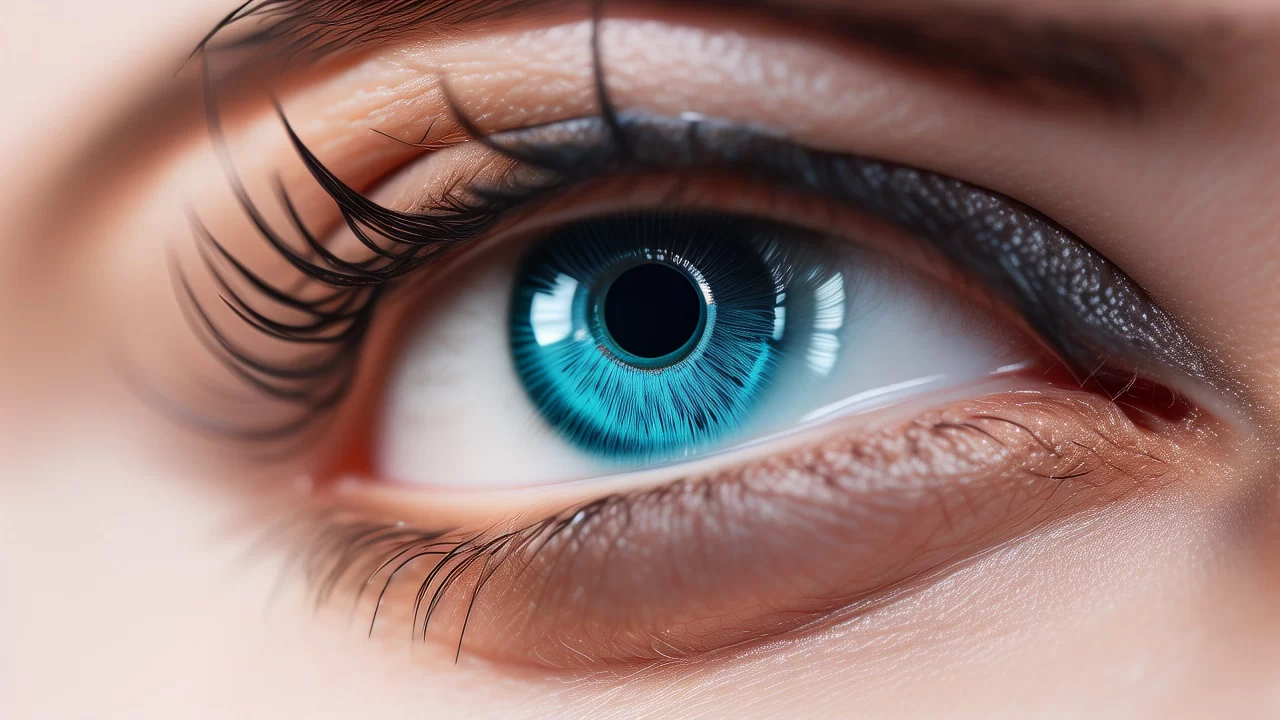
Walk into any cosmetics store in Seoul, Tokyo, or Bangkok and you will notice something that would have been unthinkable ten years ago: contact lens displays marketed directly at men. Not as a medical product, not hidden behind a counter — but as a grooming accessory, positioned next to the skincare and brow products.
The male colored contact lens market is small today. It is also one of the fastest-growing whitespace opportunities in the category. Here is why brand owners should be paying attention now, and how to actually sell to this audience without getting it wrong.
Why now? Three forces converging
Male grooming has gone mainstream. The global male grooming market has been compounding steadily, driven by Gen Z and millennial men who treat skincare, fragrance, and haircare as routine. Colored lenses are the logical next step in that progression — and in East Asian markets, they have already made it. Korean and Japanese beauty content regularly features male idols and influencers wearing subtle enhancement lenses.
Short-form video removed the stigma. For years, the barrier to male lens adoption was social: lenses were read as a feminine product. TikTok and Instagram changed the framing. Try-on content is now entertainment, and when a male creator shows a natural hazel lens as part of a “get ready with me” routine, the product stops being gendered and starts being just another grooming tool.
The prescription pipeline feeds it. Men are already contact lens wearers — myopia correction is gender-neutral. Every male prescription wearer is a warm prospect for cosmetic lenses. The conversion path is identical to women’s: start with a natural-look lens that “just sharpens” their existing eye color, then expand.
What men actually buy (and what they avoid)
The product preferences here are remarkably consistent across markets, and they are almost the opposite of the statement-lens playbook:
- Natural above all. Men overwhelmingly choose lenses that darken or subtly enhance their natural color — deep brown, soft black, understated hazel. Anything that reads as “obviously a lens” loses the sale.
- Small to mid diameter. 14.0–14.2mm dominates. Enlarging “doll eye” designs have near-zero male demand.
- Minimal graphic diameter. Dark limbal-ring designs that mimic natural eye contrast outperform full-iris color change.
- Short wear cycles. Daily disposables convert best — partly hygiene confidence, partly because men are less likely to commit to a lens care routine.
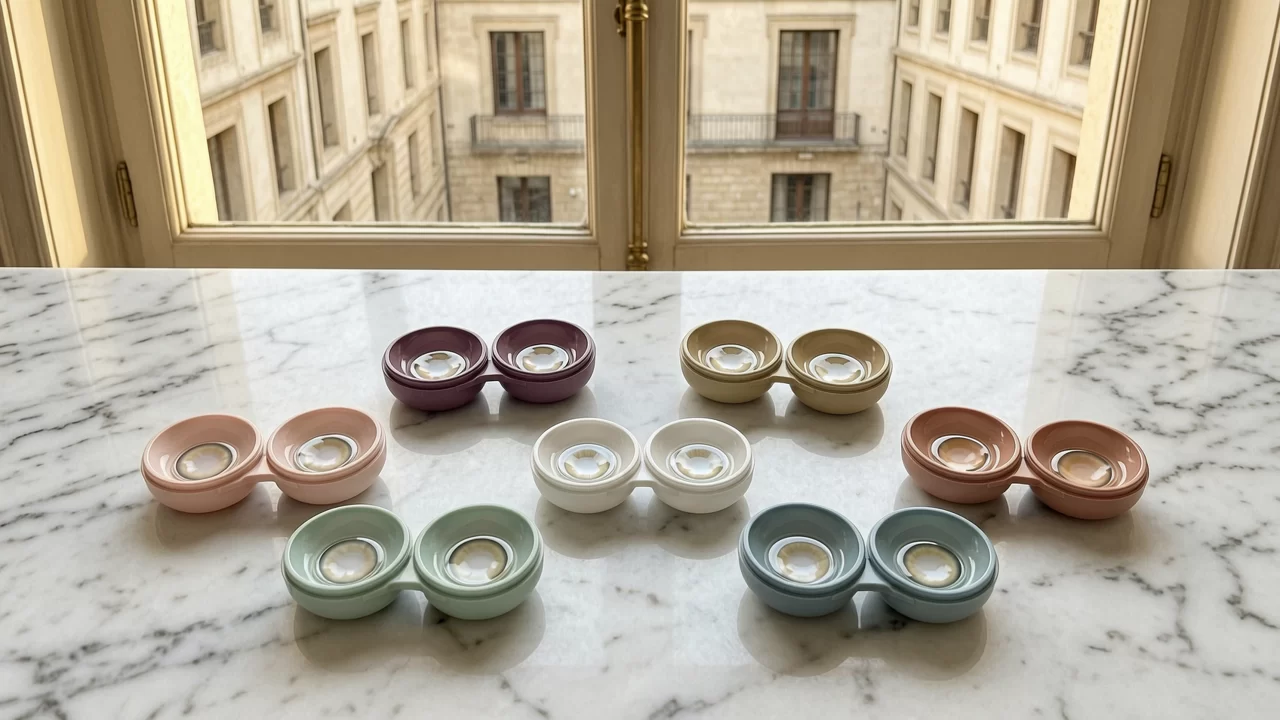
The avoidance list matters just as much. Men in this category are highly sensitive to anything that feels like cosmetics: pink packaging, floral branding, beauty-influencer marketing language. The product can be identical to a women’s lens; the packaging and positioning cannot be.
How to position a male lens line without alienating anyone
Brands entering this space generally take one of two approaches:
The dedicated men’s line. Separate SKUs with masculine packaging, neutral color naming (“Slate”, “Onyx”, “Amber” rather than “Doll Brown”), and marketing through male grooming channels. This works best in markets where male grooming is already normalized — East Asia first, then the Middle East, where male aesthetic spending is growing quietly but fast.
The gender-neutral framing. Keep one range but market the natural-tone SKUs to all genders. This is lower risk and often the smarter first move for Western markets, where explicitly “for men” beauty lines can still feel awkward. The key is making sure your natural-tone products are photographed on male models somewhere in your content mix, so male visitors see themselves in the brand.
Either way, the merchandising details decide the outcome: neutral packaging colorways, straightforward naming, clear sizing information, and imagery that includes men. This is a category where small presentation choices carry outsized commercial weight.
Sizing the opportunity realistically
Let’s be honest about scale. Male colored lens buyers are a small fraction of the category today — most industry estimates put them in the low single digits of colored lens purchasers. But three things make the segment attractive despite its size:
- Low competition. Very few brands have built genuine male positioning, so first movers capture disproportionate attention.
- High loyalty. Men who find a lens that works repurchase more consistently than trend-driven buyers. Once your SKU is their default, it stays their default.
- Content amplification. Male lens try-on content is still novel, which means it over-indexes in short-form video — cheap organic reach for brands that move early.
The takeaway
The male colored lens market is not going to replace your core range next year. But it is a real, growing, under-served segment where the products you already make — natural tones, mid diameters, daily disposables — are exactly the right products. The entry cost is mostly positioning, not development.
At MIOMI, our OEM partners can add male-presented packaging and natural-tone SKUs to existing product lines with low MOQs, which makes testing this segment unusually cheap. If you want to gauge male demand in your market, a small-batch test line is the fastest way to find out.
Email sales@miomicon.com to discuss a male grooming capsule — or request samples of our natural-tone range to see how they read on male models.