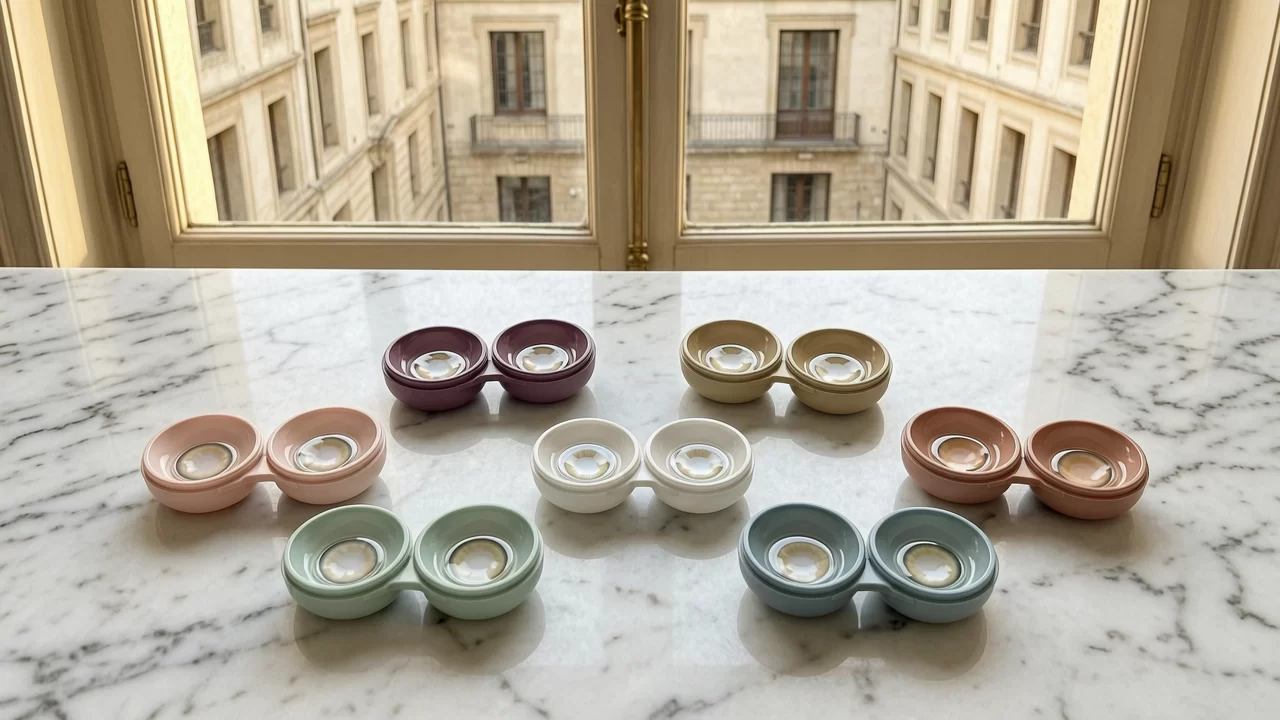
Launching a colored contact lens brand in 2026 can be an exciting and profitable venture, but it’s not without its challenges. With the global market for colored contact lenses projected to reach $15 billion by 2030, there’s plenty of opportunity for new brands to enter and thrive. However, the industry is also becoming increasingly competitive, so it’s important to have a solid plan in place before you start.
1. Research Your Target Market
The first step in launching any successful brand is to understand your target market. Who are your ideal customers? What do they care about? What problems are they trying to solve?
Understanding Demographics
Start by researching the demographics of your target audience. Are you targeting young adults in their 20s and 30s who want to experiment with their appearance? Or are you focusing on older customers who want natural-looking lenses to enhance their eye color?
Understanding these demographics will help you tailor your product offerings, marketing messages, and distribution channels to meet the specific needs of your audience.
Analyzing Market Trends
Next, analyze current market trends to identify opportunities and threats. What colors and styles are currently popular? Are there any emerging trends that you can capitalize on?
For example, in recent years, there has been a growing demand for natural-looking colored contact lenses that enhance rather than completely change the eye color. There’s also a trend towards more sustainable and eco-friendly products, so if you can incorporate this into your brand, it could give you a competitive edge.
Identifying Competitors
Finally, research your competitors to understand what they’re doing well and where they’re falling short. What products do they offer? How do they price their lenses? What marketing strategies do they use?
By identifying your competitors’ strengths and weaknesses, you can position your brand to fill gaps in the market and offer something unique to your customers.
2. Develop Your Brand Identity
Once you understand your target market, it’s time to develop your brand identity. Your brand identity is more than just your logo and color scheme – it’s the personality and values that your brand represents.
Defining Your Brand Values
Start by defining your brand values. What does your brand stand for? Do you prioritize quality, affordability, sustainability, or innovation?
These values should guide every decision you make, from product development to marketing to customer service.
Creating a Brand Voice
Next, create a brand voice that resonates with your target audience. Are you playful and fun? Or are you more professional and sophisticated?
Your brand voice should be consistent across all communication channels, including your website, social media, and marketing materials.
Designing Your Visual Identity
Finally, design a visual identity that reflects your brand values and voice. This includes your logo, color scheme, typography, and imagery.
Your visual identity should be memorable and distinctive, so that customers can easily recognize your brand from a distance.
3. Develop Your Product Line
Your product line is the heart of your brand, so it’s important to develop high-quality lenses that meet the needs of your target market.
Choosing Lens Types and Colors
Start by choosing the types of lenses you want to offer. Will you focus on daily disposables, monthly lenses, or a combination of both? What colors will you offer?
Consider the preferences of your target audience when making these decisions. For example, if you’re targeting young adults, you might want to offer a wide range of bold and vibrant colors. If you’re targeting older customers, you might want to focus on natural-looking colors.
Ensuring Quality and Safety
Quality and safety should be your top priorities when developing your product line. Make sure your lenses are made from high-quality materials and meet all relevant safety standards.
This includes ensuring that your lenses are FDA-approved (if you’re selling in the United States) and CE-marked (if you’re selling in Europe). It’s also important to conduct rigorous testing to ensure that your lenses are comfortable and durable.
Setting Prices
Finally, set prices for your products. Consider the cost of production, shipping, and marketing, as well as the prices of your competitors.
Remember, you don’t have to be the cheapest brand to succeed – you just have to offer good value for money. If you can differentiate your products based on quality, design, or sustainability, you can charge a premium price.
4. Build Your Online Presence
In today’s digital age, having a strong online presence is essential for any brand. This includes having a professional website, active social media profiles, and a strong SEO strategy.
Creating a Website
Start by creating a professional website that showcases your products and brand identity. Your website should be easy to navigate, mobile-friendly, and optimized for search engines.
Include high-quality product images, detailed product descriptions, and customer reviews to help build trust with potential customers.
Establishing Social Media Profiles
Next, establish social media profiles on platforms that are popular with your target audience. Instagram, TikTok, and YouTube are all great platforms for showcasing colored contact lenses, as they allow you to share visual content that resonates with your audience.
Post regularly and engage with your followers to build a community around your brand. You can also use social media to run promotions, giveaways, and influencer partnerships to increase brand awareness.
Implementing SEO Strategies
Finally, implement SEO strategies to improve your website’s visibility in search engine results. This includes optimizing your website’s content, using relevant keywords, and building high-quality backlinks.
By improving your SEO, you can attract more organic traffic to your website and increase your chances of converting visitors into customers.
5. Choose Your Distribution Channels
Choosing the right distribution channels is essential for getting your products into the hands of your customers.
Selling Directly to Consumers
One option is to sell directly to consumers through your website. This allows you to control the customer experience and keep more of the profits.
However, selling directly to consumers also requires you to handle shipping, returns, and customer service, which can be time-consuming and expensive.
Partnering with Retailers
Another option is to partner with retailers to sell your products. This can include online retailers like Amazon and eBay, as well as brick-and-mortar stores like beauty supply shops and optical boutiques.
Partnering with retailers can help you reach a wider audience, but it also means giving up some control over the customer experience and sharing profits with the retailer.
Considering Wholesale Opportunities
Finally, consider wholesale opportunities if you’re interested in selling your products in bulk. This can include selling to distributors, salon owners, or other businesses.
Wholesale opportunities can be a great way to increase your sales volume, but it’s important to set wholesale prices that are profitable for both you and your customers.
6. Launch Your Brand
Once you’ve completed all the previous steps, it’s time to launch your brand. This is an exciting time, but it’s also important to have a solid launch plan in place.
Creating a Launch Plan
Start by creating a launch plan that outlines your goals, timeline, and budget. Your launch plan should include details about your marketing strategy, product availability, and customer service.
Generating Buzz
Next, generate buzz about your brand before you launch. Use social media to tease your products, run contests and giveaways, and partner with influencers to spread the word.
You can also reach out to bloggers and media outlets to see if they’re interested in reviewing your products or featuring your brand in their content.
Monitoring and Adapting
Finally, monitor your launch closely and adapt your strategy as needed. Keep track of your sales, customer feedback, and social media engagement to identify what’s working and what’s not.
If something isn’t working, don’t be afraid to make changes. The key to success is to be flexible and responsive to the needs of your customers.
Conclusion
Launching a successful colored contact lens brand in 2026 requires careful planning and execution. By researching your target market, developing a strong brand identity, creating high-quality products, building a strong online presence, choosing the right distribution channels, and launching your brand with a solid plan, you can increase your chances of success.
Remember, building a successful brand takes time and effort. Don’t get discouraged if you don’t see immediate results – stay focused on your goals and continue to adapt and improve your strategy over time.
With the right approach, you can create a brand that resonates with customers and stands out in the competitive colored contact lens market.