The European contact lens market is evolving rapidly in 2026. From shifting consumer preferences to regulatory changes, brand owners and distributors need to stay ahead of the curve to remain competitive.
Whether you are launching a new colored lens brand or expanding your existing line, understanding these trends will help you make smarter product and marketing decisions in the European market.
1. Natural Enhancement Becomes the Norm
Post-pandemic, there has been a noticeable shift toward natural, “no-makeup” makeup aesthetics in Europe. This extends to contact lenses:
Top-selling color categories in 2026:
– Chocolate Brown: Universal appeal, works on all skin tones
– Honey & Amber: Warm tones for subtle enhancement
– Soft Gray: Sophisticated, versatile for daily wear
– Hazel Green: Natural-looking with golden flecks
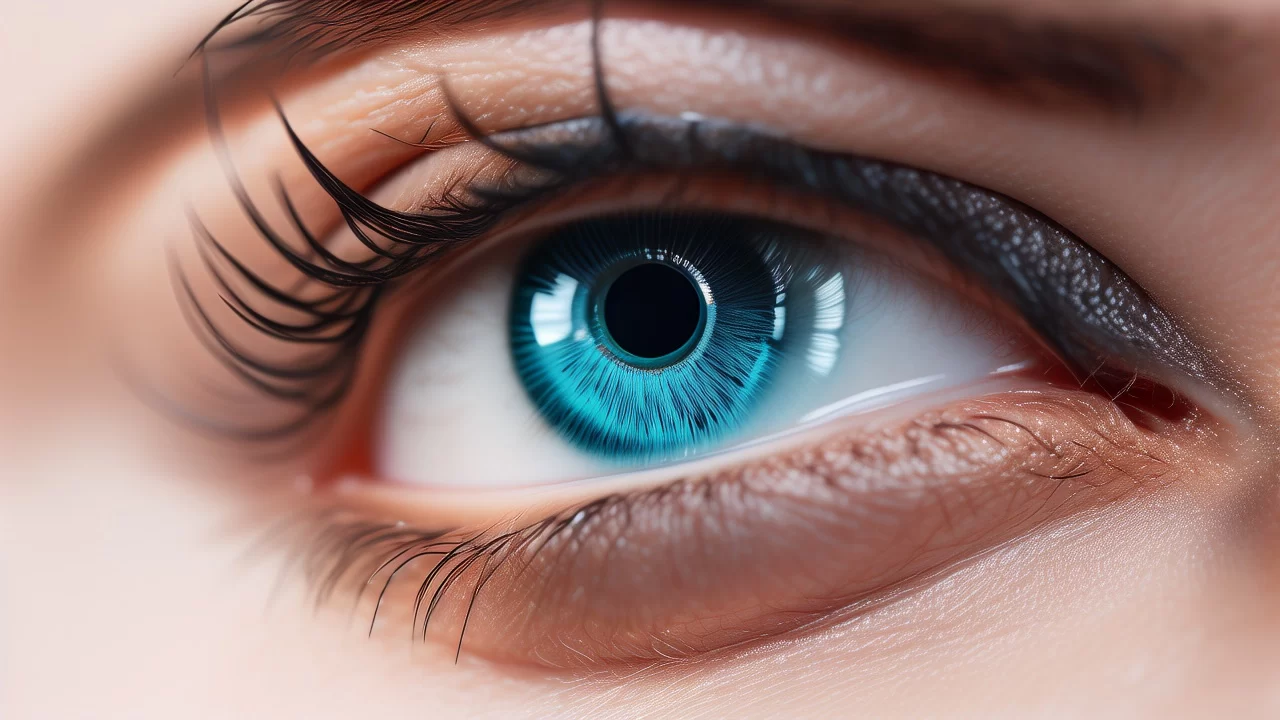
Bold colors (blue, violet, dramatic circle lenses) remain strong for:
– Special occasions (weddings, parties, photography)
– Content creators and influencers
– Cosplay and costume markets
Strategy tip: Offer both — a core collection of natural shades for daily wear, plus seasonal limited editions for bold looks.
2. Silicone Hydrogel is Now Standard
In Europe, silicone hydrogel (SiHy) lenses are becoming the expected standard for daily wear. Key drivers:
- Health consciousness: SiHy lenses allow more oxygen to reach the cornea, reducing dryness and discomfort
- Regulatory pressure: European healthcare standards are increasingly emphasizing eye health
- Consumer education: Shoppers are more informed about lens materials and their impact on eye health
For brand owners: If you are still offering only standard hydrogel lenses, consider adding a SiHy line. The material cost is higher, but the perceived value and retail price point justify the investment.
3. Sustainability is a Priority
European consumers are increasingly conscious of the environmental impact of their purchases. This is reflected in the contact lens market:
- Recyclable packaging: Brands are switching to recyclable materials for lens blister packs and boxes
- Reduced plastic waste: Some manufacturers are exploring refillable packaging options
- Carbon footprint: Consumers are asking about the environmental impact of lens production and distribution
Opportunity: Position your brand as eco-friendly. This can be a powerful differentiator in crowded markets.
4. E-commerce Growth Continues
Online sales of contact lenses are growing rapidly in Europe. Key factors:
- Convenience: Consumers can order lenses from home and have them delivered
- Price comparison: Online shoppers can easily compare prices from different retailers
- Direct-to-consumer brands: New brands are emerging that sell exclusively online
For brand owners: Invest in a user-friendly e-commerce website and optimize for mobile. Social media marketing is also crucial for reaching younger consumers.
5. Personalization is on the Rise
Consumers are increasingly looking for products that are tailored to their individual needs. In the contact lens market, this means:
- Customized lens parameters: Brands are offering lenses with custom diameter, base curve, and water content
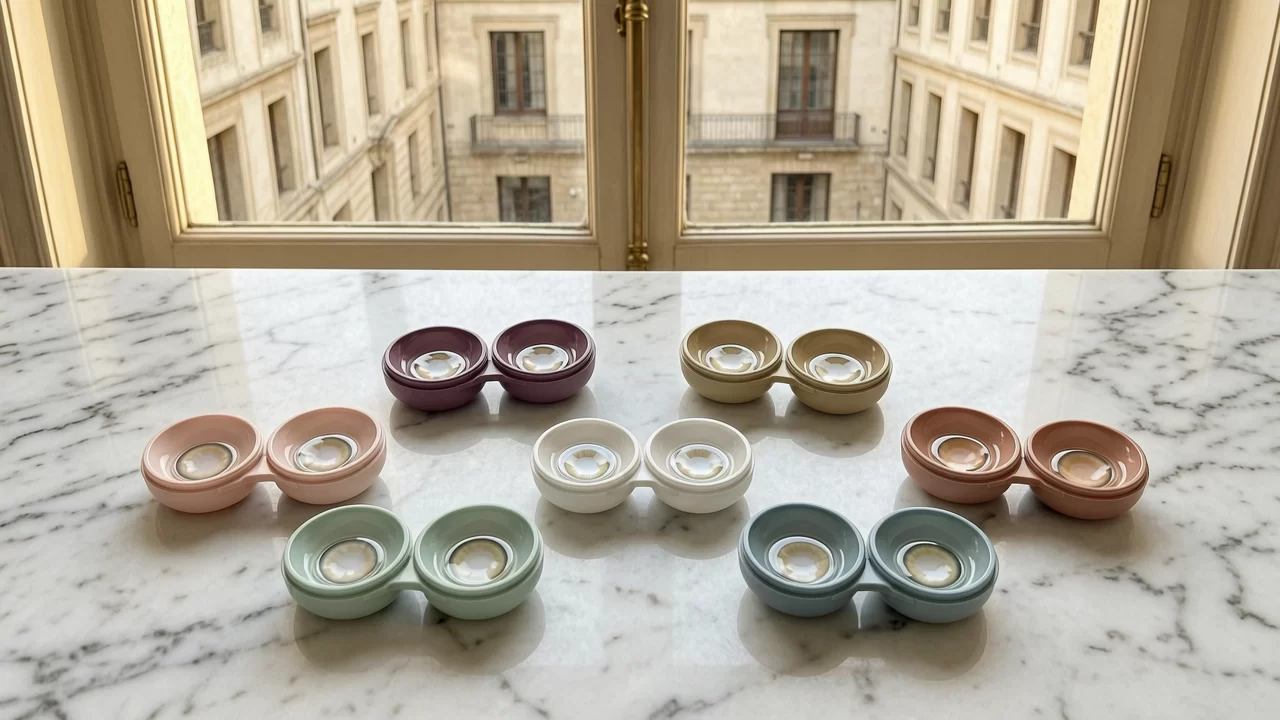
- Personalized packaging: Some brands allow customers to design their own lens cases and boxes
- Subscription services: Monthly or weekly subscription plans make it easier for consumers to reorder lenses
Strategy tip: Consider offering a small range of custom lens options. This can help you stand out from competitors.
Conclusion
The European contact lens market in 2026 is characterized by shifting consumer preferences, technological innovation, and regulatory change. Brands that stay ahead of these trends will be well-positioned for success.
Focus on natural looks, silicone hydrogel lenses, sustainability, e-commerce, and personalization. These trends are likely to shape the market for the next several years.