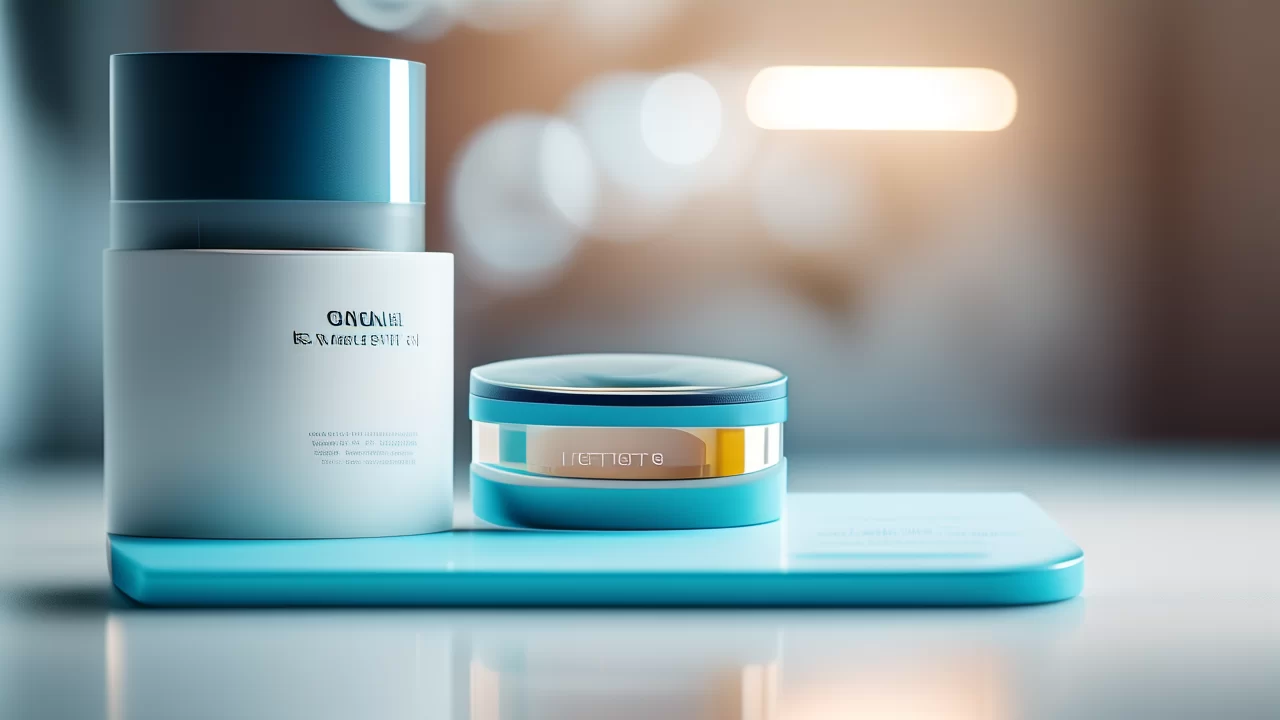
Your contact lens sits in a tiny blister pack inside a small cardboard box. It weighs less than 10 grams. But the packaging is often the first — and sometimes only — physical touchpoint your customer has with your brand.
In the colored contact lens market, packaging matters more than in most other products. Here is why, and how to get it right.
Why Packaging Is Different for Contact Lenses
Unlike most consumer goods, contact lens packaging has unique constraints:
- Regulatory requirements: Every market requires specific information on the packaging — product name, base curve, diameter, water content, material, expiration date, batch number, warnings. This is non-negotiable.
- Small canvas: A typical contact lens box is roughly 80mm × 40mm × 25mm. You have very limited space to communicate your brand.
- Medical device perception: Customers expect a clean, professional, trustworthy look. Overly flashy packaging can undermine confidence.
These constraints make packaging design both challenging and critical. The brands that crack it build lasting customer loyalty.
Key Design Principles
1. Color psychology matters. Your box color should reflect your brand positioning:
- Pastel and soft tones → natural, everyday wear, feminine
- Black and metallic → premium, bold, fashion-forward
- Clean white with minimal accents → clinical, health-focused
- Vibrant gradients → trendy, Gen-Z, social-media-driven
2. Typography hierarchy. On a small box, not everything can be equally prominent. Prioritize:
- Brand name (most prominent)
- Product name / pattern name
- Key differentiator (e.g., “Silicone Hydrogel”, “Natural Look”)
- Regulatory information (smaller, but legible)
3. Finish and texture. The physical feel of the box signals quality before the customer even opens it:
- Matte lamination: Premium, sophisticated, modern
- Glossy lamination: Bright, energetic, accessible
- Foil stamping (gold/silver/rose gold): Luxury, special edition, high-end
- Embossing: Tactile premium feel, brand name stands out
What Competitors Are Doing
Looking at successful brands in different markets:
Japanese brands (e.g., Honey, Lacelle): Clean, minimalist boxes with pastel colors. The packaging feels medical-grade but approachable. Pattern names are prominent, encouraging collection and repeat purchases.
Korean brands (e.g., Dolla, Eysmy): Bold colors, trendy graphics, often featuring the brand ambassador or influencer. Packaging feels like a fashion accessory, not a medical device.
Western brands (e.g., Air Optix Colors): Clinical white boxes with minimal branding. The focus is on trust and eye health — the packaging reinforces the medical credibility.
Emerging Middle Eastern brands: Gold and rose gold foil stamping, dark backgrounds, luxurious feel. Packaging signals premium positioning and aligns with regional aesthetic preferences.
The Unboxing Experience
In the age of social media, the unboxing experience is part of your product. Customers photograph and share:
- The outer box and how it feels in hand
- The inner tray and how the blisters are arranged
- Any included materials (instruction leaflet, welcome card, brand story card)
Consider adding a small insert card with your brand story, wearing instructions, or a QR code linking to video tutorials. It costs almost nothing but significantly elevates the perceived value.
Working With Your Manufacturer
When choosing a manufacturer for packaging, ask about:
- Print quality: Can they handle fine details, gradients, and metallic finishes?
- Prototyping: Will they produce a physical sample of the packaging before bulk production?
- Regulatory compliance: Do they understand the labeling requirements for your target market?
- Turnaround time: How long does packaging design and approval take?
At MIOMI, we provide full packaging design support for private label orders, including physical samples for approval before production. Our team understands the regulatory requirements for Europe, North America, the Middle East, and other key markets.
The Bottom Line
Contact lens packaging is not just a container — it is your brand’s physical presence in your customer’s hands. Invest the time to get it right, and it will pay dividends in customer confidence, repeat purchases, and social media visibility.